Over the weekend of 11-12 April, the Pickleball Cup NSW 2026 delivered more than just a series of matches. It became a clear reflection of how the sport is evolving, driven by players who are increasingly competitive, engaged, and committed to improving their level of play.
From the opening rallies through to the final points, the tone of the event was consistent: focused, active, and highly competitive.
A Noticeable Shift in Competitive Standard
One of the most evident takeaways across the weekend was the level of competitiveness displayed across all divisions.
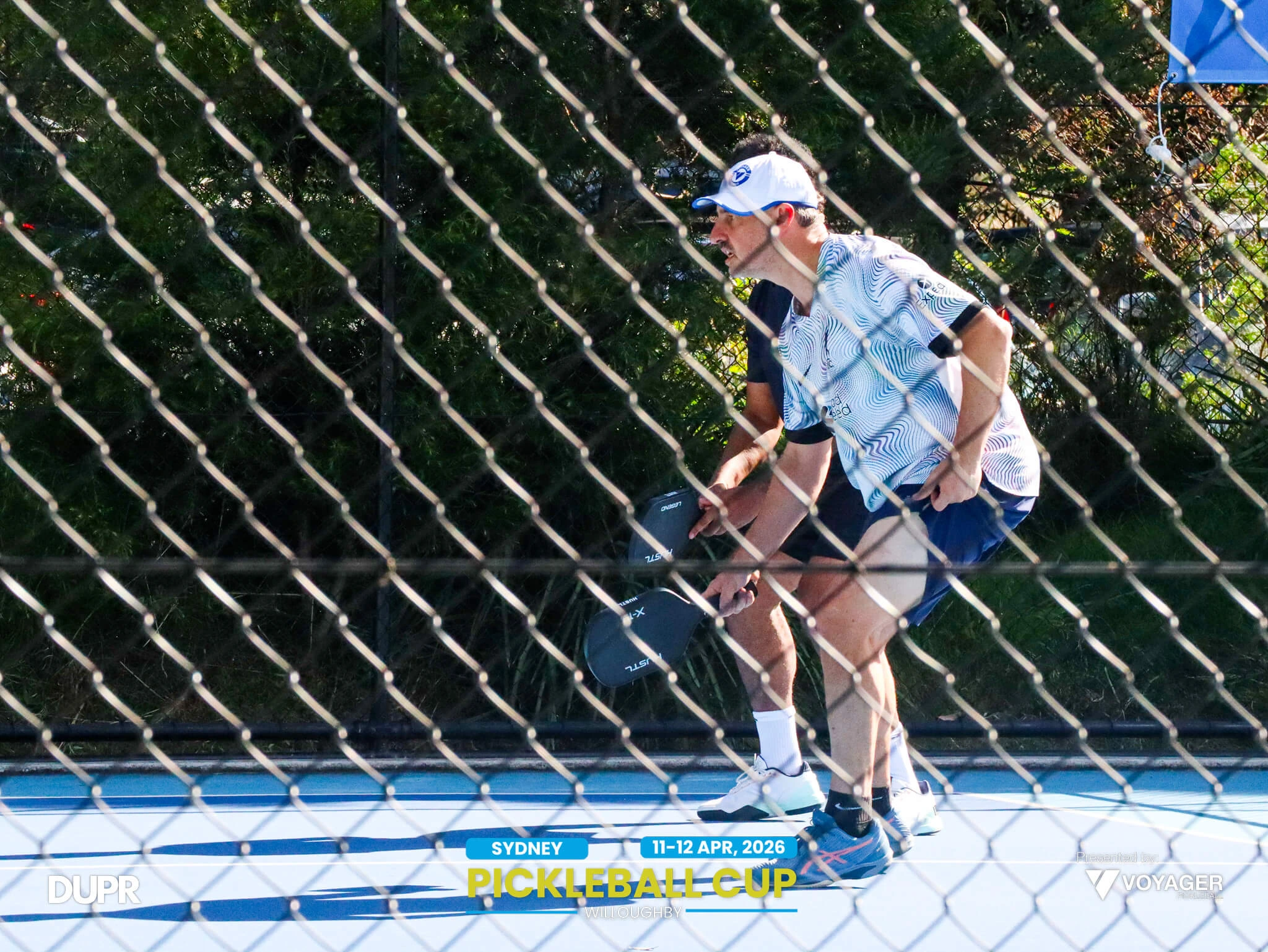
Players approached each match with intent. There was a clear emphasis on:
- Shot selection under pressure
- Court positioning and awareness
- Communication in doubles play
- Maintaining consistency during extended rallies
Matches were not simply played, they were constructed. Points were built with patience, and players showed a willingness to adapt their approach depending on their opponents.
This level of tactical awareness signals a broader shift in the sport. As more players gain experience in structured competitions, the overall standard continues to rise.
Sustained Intensity Across Two Days
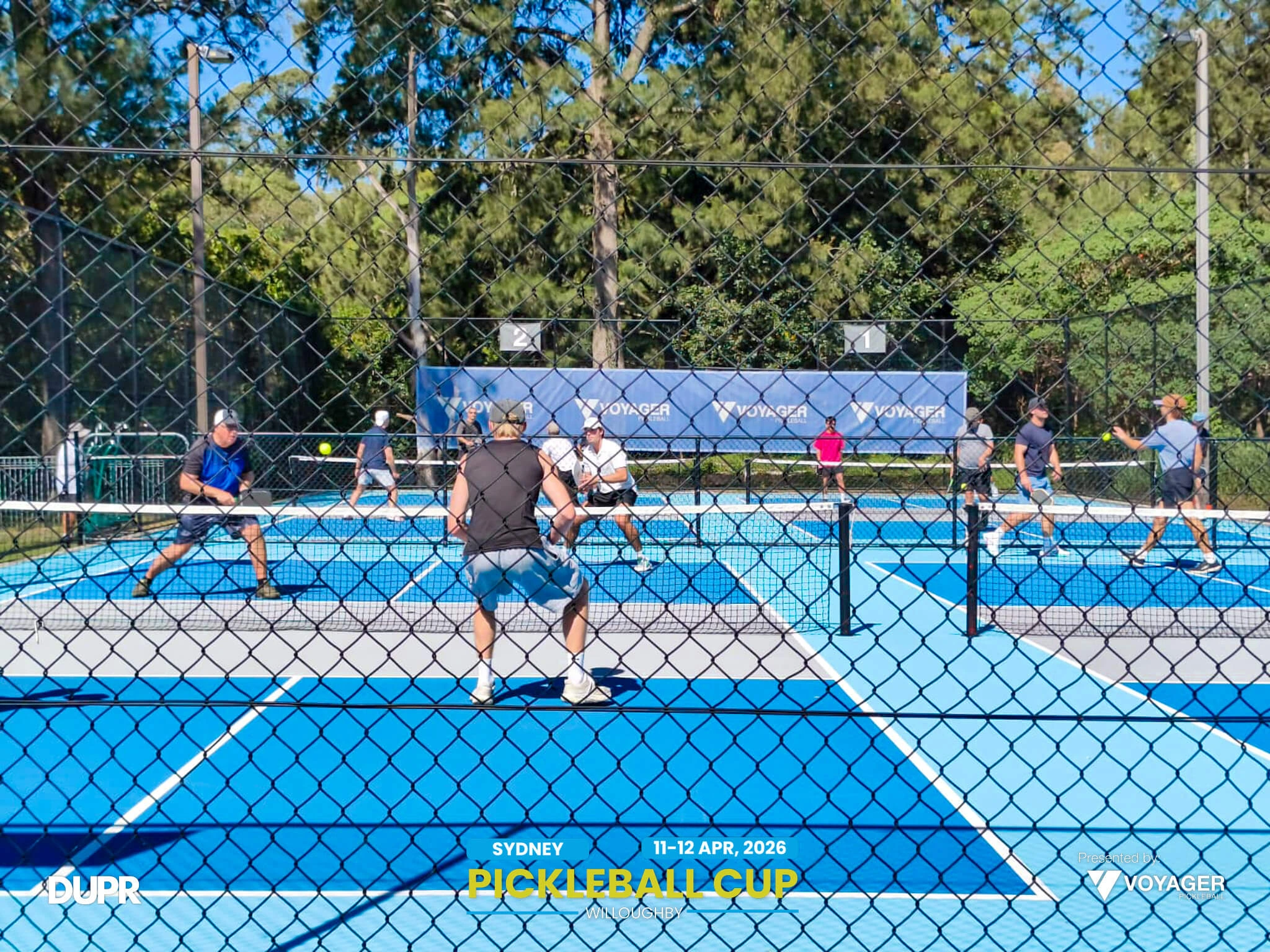 Maintaining intensity across a full tournament schedule is never straightforward. However, throughout the weekend, players demonstrated a strong ability to stay engaged from their first match through to their final outing.
Energy levels remained high, particularly in tightly contested matches where momentum shifted frequently. Long rallies became a defining feature, with players willing to stay in points and extend exchanges rather than forcing early winners.
This consistency in effort reflects both preparation and mindset. Players arrived ready not just to participate, but to compete across multiple matches with focus and discipline.
Active Participation Beyond the Scoreline
While results are always a focal point in competition, the overall level of participation extended well beyond the scoreboard.
Players remained engaged between matches; reviewing points, discussing tactics, and preparing for upcoming games. This ongoing involvement highlighted a broader commitment to development, rather than a sole focus on outcomes.
Even in matches where the scoreline was one-sided, the level of effort remained consistent. Players continued to compete for each point, reinforcing a culture where performance and improvement are prioritised throughout the event.
The Role of Environment in Player Performance
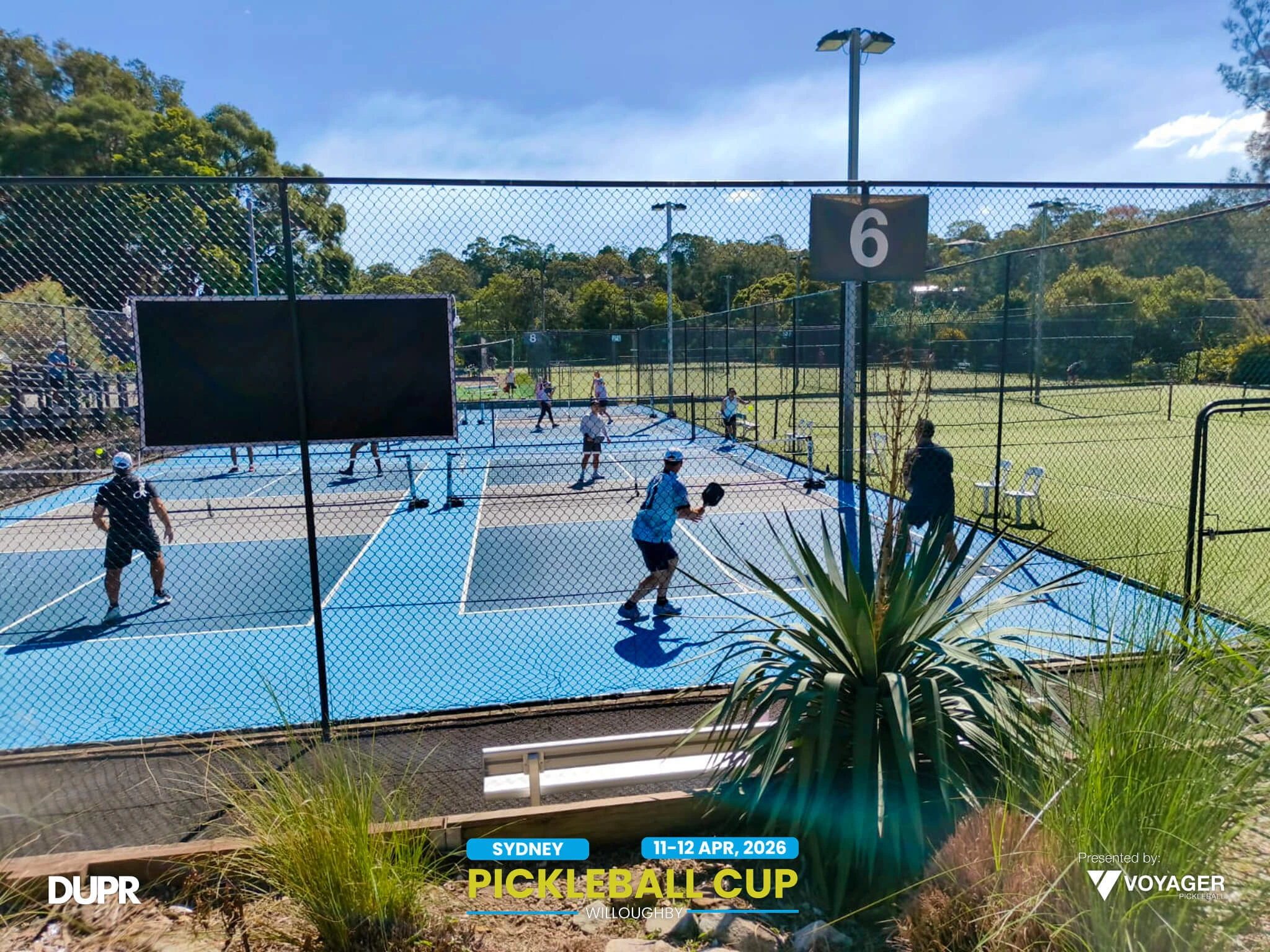 The playing environment contributed to the quality of competition throughout the weekend.
With multiple matches running simultaneously, players were exposed to a steady rhythm of competition. This required:
- Efficient transitions between matches
- The ability to reset mentally
- Adaptability across different opponents and playing styles
These factors combined to create an environment where players needed to remain switched on at all times.
Rather than isolated matches, the event functioned as a continuous test of consistency, both physically and mentally.
Momentum and Match Dynamics
A defining characteristic of many matches was the shifting nature of momentum.
It was not uncommon to see teams recover from early deficits or respond immediately after losing a sequence of points. This ability to regain control reflects an increased understanding of match dynamics.
Players showed awareness of when to:
- Slow the tempo of a match
- Apply pressure through aggressive play
- Reset and rebuild points after errors
These adjustments often proved decisive, particularly in closely contested matches.
A Reflection of the Sport’s Growth
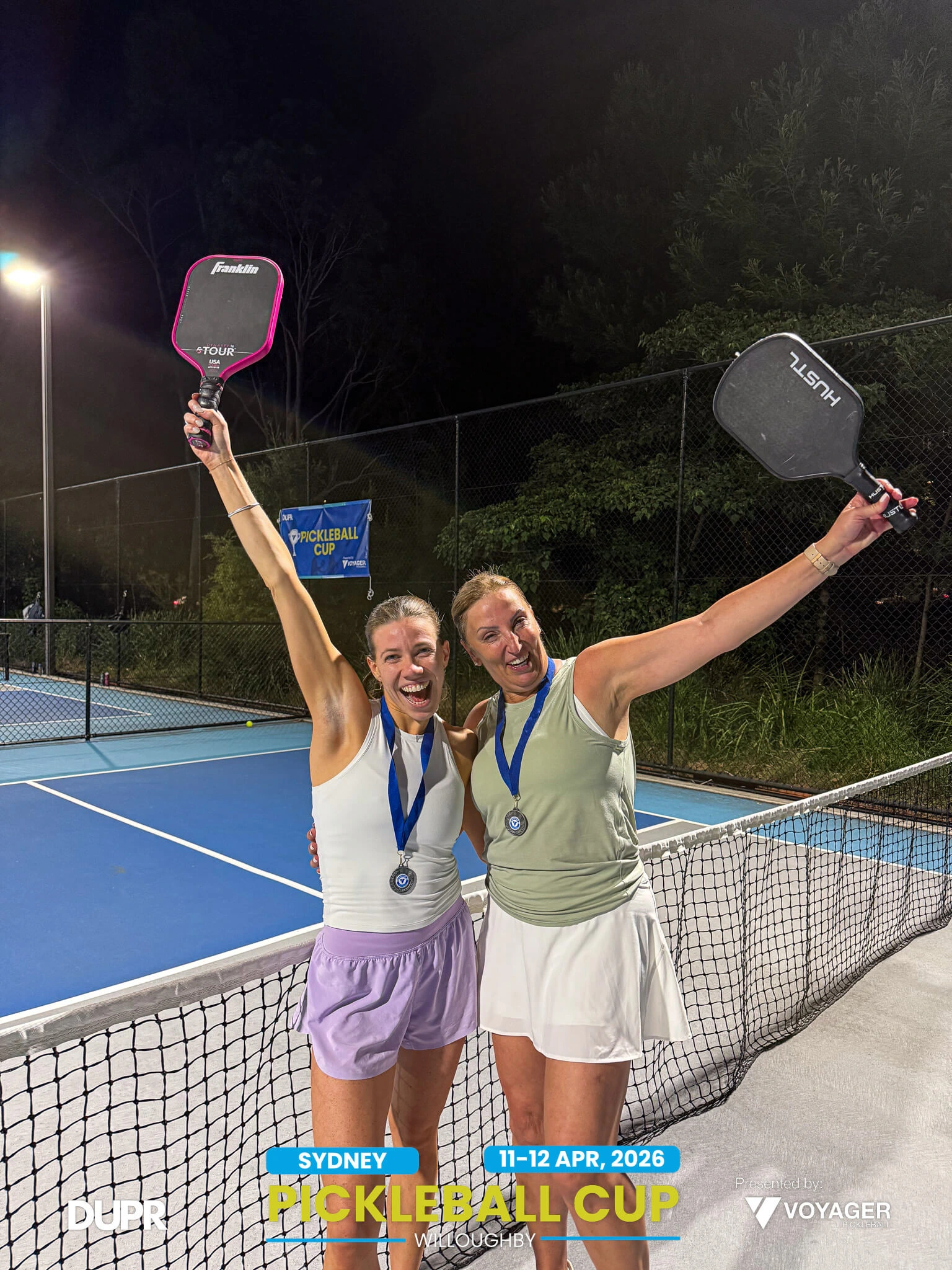 The overall standard and engagement seen across the Pickleball Cup NSW 2026 aligns with the broader growth of the sport.
Participation is no longer limited to casual play. Increasingly, players are:
- Training with specific goals
- Entering structured competitions
- Seeking opportunities to test their level against others
This shift is contributing to a more competitive landscape, where events are not only well-attended but also highly contested.
As more players gain exposure to tournament environments, the expectation around performance continues to evolve.
Building Towards Future Competition
For many participants, the event represents part of a larger journey rather than a standalone experience.
Tournament play provides:
- A benchmark for current performance
- Insight into areas for improvement
- Exposure to different playing styles
These elements are critical in shaping future development.
Players leave with a clearer understanding of their strengths and areas to refine, which in turn influences how they approach training in the weeks and months ahead.
Community Through Competition
While competition remains central, the event also reinforced the community aspect of pickleball.
Players, supporters, and organisers contributed to an environment that balanced intensity with mutual respect. Between matches, there was a visible sense of connection; players observing others, sharing insights, and remaining involved throughout the day.
This balance between competitiveness and community is a defining feature of the sport’s growth. It allows events to maintain a high standard of play while still being accessible and inclusive.
Shaping Pickeball’s Competitive Future
The Pickleball Cup NSW 2026 highlighted more than just individual performances. It demonstrated the direction in which the sport is moving towards greater competitiveness, deeper engagement, and more structured participation.
As players continue to invest time into improving their game, events like this will play an increasingly important role in shaping standards and expectations.
What was evident across the weekend was not just the outcome of matches, but the approach players brought to them. Focused, active, and competitive, these qualities defined the event and will continue to influence the sport as it grows.