
How Long Does It Take to Play Your First Pickleball Match?
One of the first questions people ask when trying a new sport is how long it will take before they can actually play a game.
With pickleball, the answer might be sooner than you expect.
Many beginners can participate in a simple, friendly pickleball match during their first session, provided they have a basic understanding of the rules and someone to guide them.
That doesn’t mean you’ll immediately master serving, scoring or court positioning. Like any racquet sport, pickleball takes practice to play consistently.
However, you don’t need weeks of coaching or advanced technical skills to experience your first pickleball match.
Whether you’re completely new to racquet sports or have played tennis or badminton before, understanding what you need to learn can help you feel more comfortable stepping onto the court.
Can You Play a Pickleball Match on Your First Day?
Yes, it’s possible.
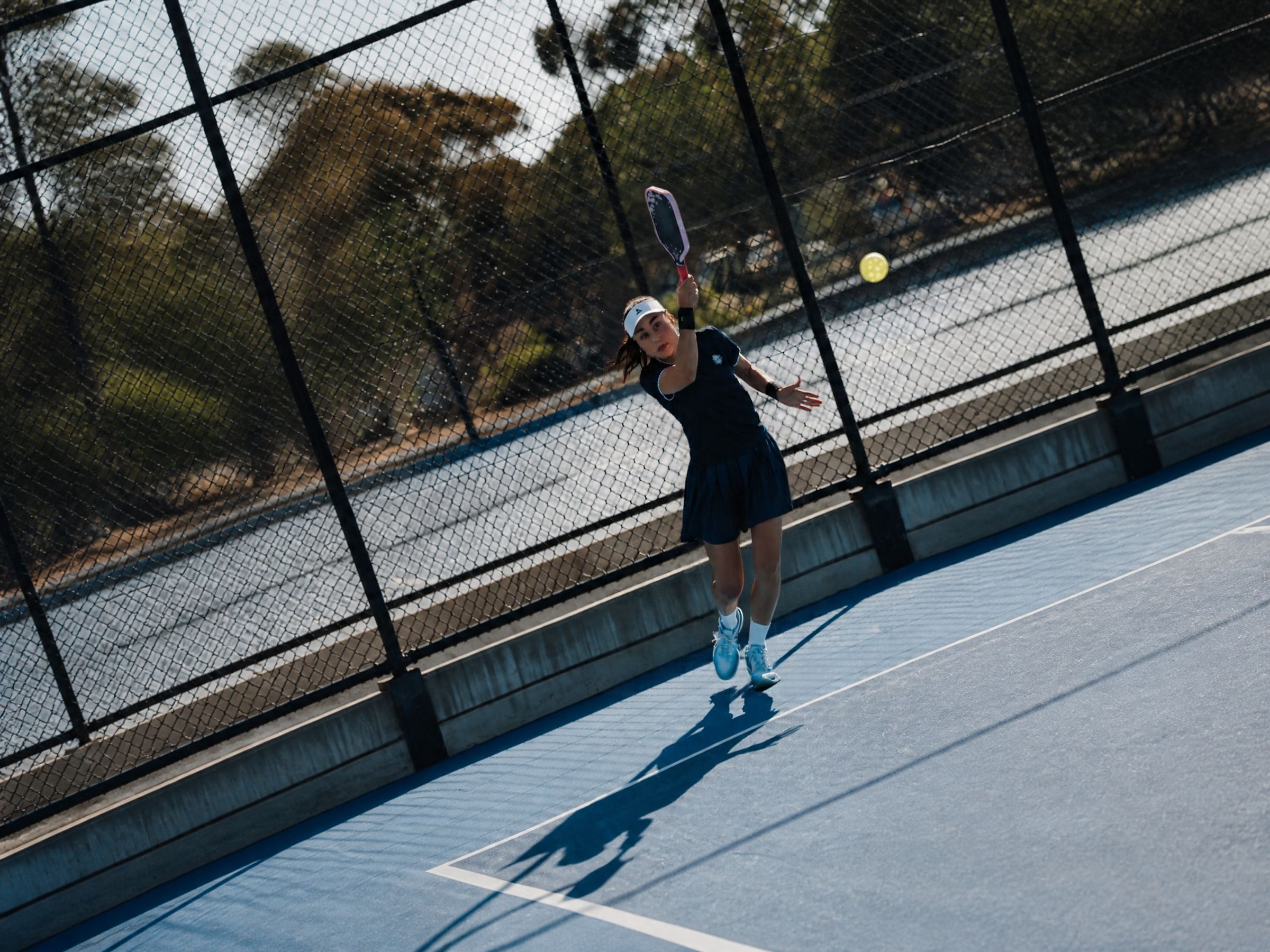
Pickleball is played on a relatively compact court, with a paddle and a lightweight perforated plastic ball. The game involves serving diagonally, exchanging shots over a net and trying to win rallies.
Beginners can often learn enough of the basic rules to participate in a modified or friendly match during an introductory session.
Of course, the experience varies.
Someone who has played tennis, badminton or table tennis may already understand concepts such as positioning, timing and controlling a racquet.
A complete beginner might need more time to become comfortable making contact with the ball and keeping a rally going.
Neither starting point is a problem.
The important distinction is between being ready to participate in a game and being ready to compete confidently.
You can enjoy your first match long before you become a consistent player.
What Do You Need to Learn Before Your First Pickleball Match?
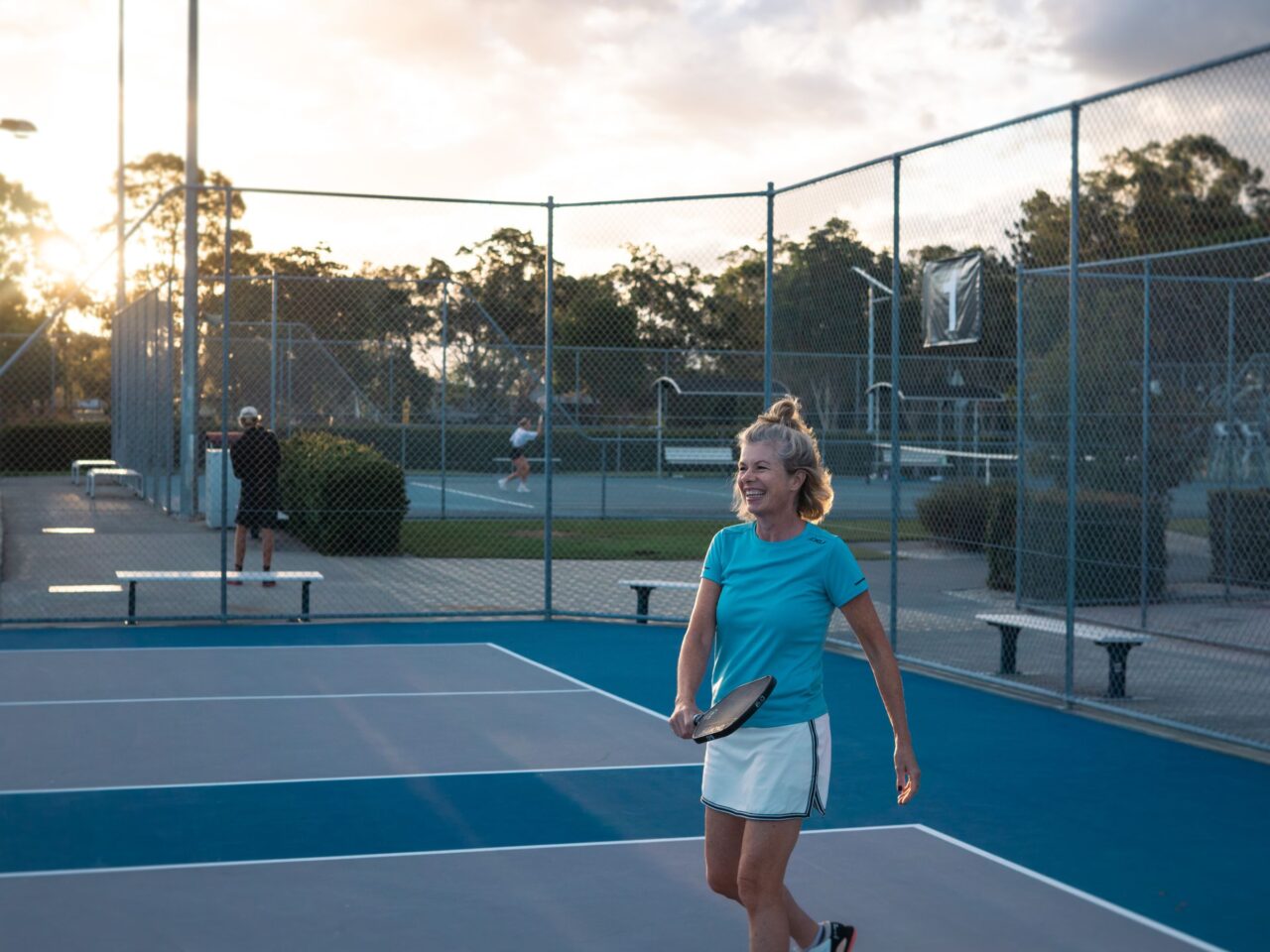
You don’t need to memorise every rule in the official rulebook.
However, understanding a few fundamentals will make your first game much easier.
1. How to Serve
In a standard pickleball game, the serve starts each rally.
The ball must travel diagonally into the correct service court, beyond the non-volley zone.
For a traditional volley serve, players use an underhand motion that follows specific serving rules. A drop serve is another permitted option.
Beginners should focus on making a controlled, legal serve rather than trying to hit the ball with maximum power.
A consistent serve gives you more opportunities to practise actual rallies.
2. The Two-Bounce Rule
This is one of the most important rules for new players.
After the serve, the receiving team must let the ball bounce before returning it.
The serving team must then let that return bounce before hitting their next shot.
After these two required bounces, players may generally hit the ball after a bounce or volley it, provided they follow the non-volley zone rules.
Understanding this rule helps prevent one of the most common beginner mistakes.
3. The Non-Volley Zone
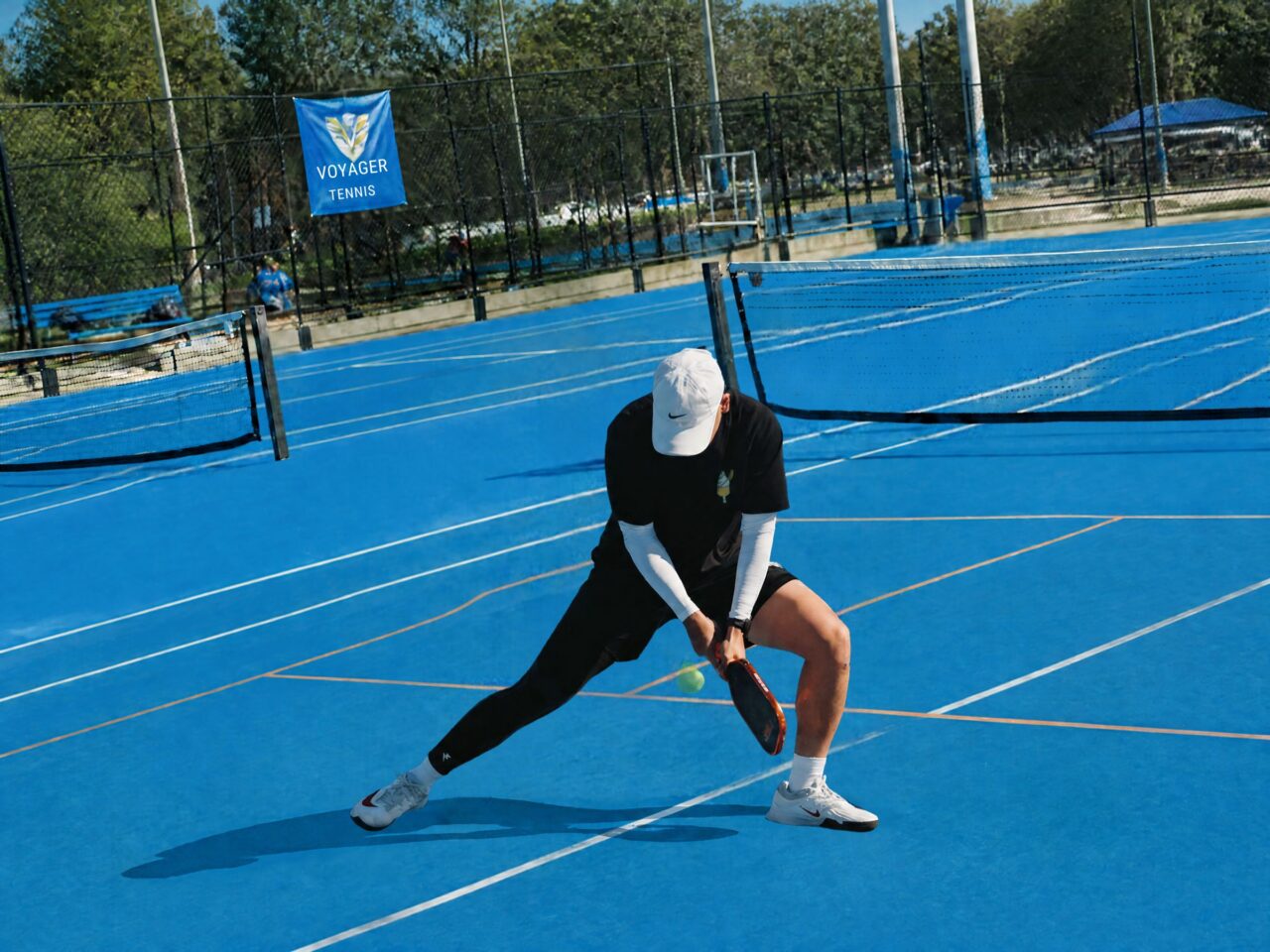
The area immediately beside the net is known as the non-volley zone, often called the kitchen.
Players cannot volley the ball while standing in this zone or touching its boundary line.
You can enter the kitchen to play a ball that has bounced, but you must follow the rules about momentum and re-establishing your position before volleying.
New players don’t need to master advanced kitchen tactics immediately.
They simply need to understand when volleys are permitted.
4. Basic Scoring
Traditional pickleball doubles uses side-out scoring, where only the serving team can score points.
Games are commonly played to 11 points, with a two-point winning margin, although tournament formats may differ.
Doubles scoring involves three numbers: the serving team’s score, the receiving team’s score and the server number.
This can feel confusing at first, so having an experienced player or coach explain the score during your first match can be helpful.
5. Where to Stand
Pickleball involves moving between the baseline, transition area and non-volley zone line.
Beginners should learn where to stand when serving and receiving, then gradually develop their understanding of court positioning.
In doubles, communication with your partner is particularly important.
Even simple calls such as ‘mine’ and ‘yours’ can make a difference.
How Long Does It Take to Learn Enough Pickleball to Play?
There’s no fixed timeline because everyone learns at a different pace.
However, the following guide shows what beginners might reasonably work towards.
| Experience | What you might achieve |
| First 15–30 minutes | Become familiar with the paddle, court and basic hitting technique |
| First 30–60 minutes | Practise serving, returning and short rallies |
| First session | Participate in a simplified or friendly match with guidance |
| First few sessions | Develop more consistent serves, scoring knowledge and positioning |
| After several weeks | Feel more comfortable playing regular social games |
These are illustrative learning milestones, not guaranteed results.
Some players progress quickly, while others prefer to spend more time practising before joining a match.
The goal is to build confidence at a pace that makes the experience enjoyable.
Should Your First Pickleball Match Be Singles or Doubles?
For many beginners, doubles is a practical place to start.
In doubles, two players compete on each side of the court.
This means you share court coverage with a partner rather than being responsible for every shot.
It also creates opportunities to learn from someone with more experience.
Why Doubles Can Work Well for Beginners
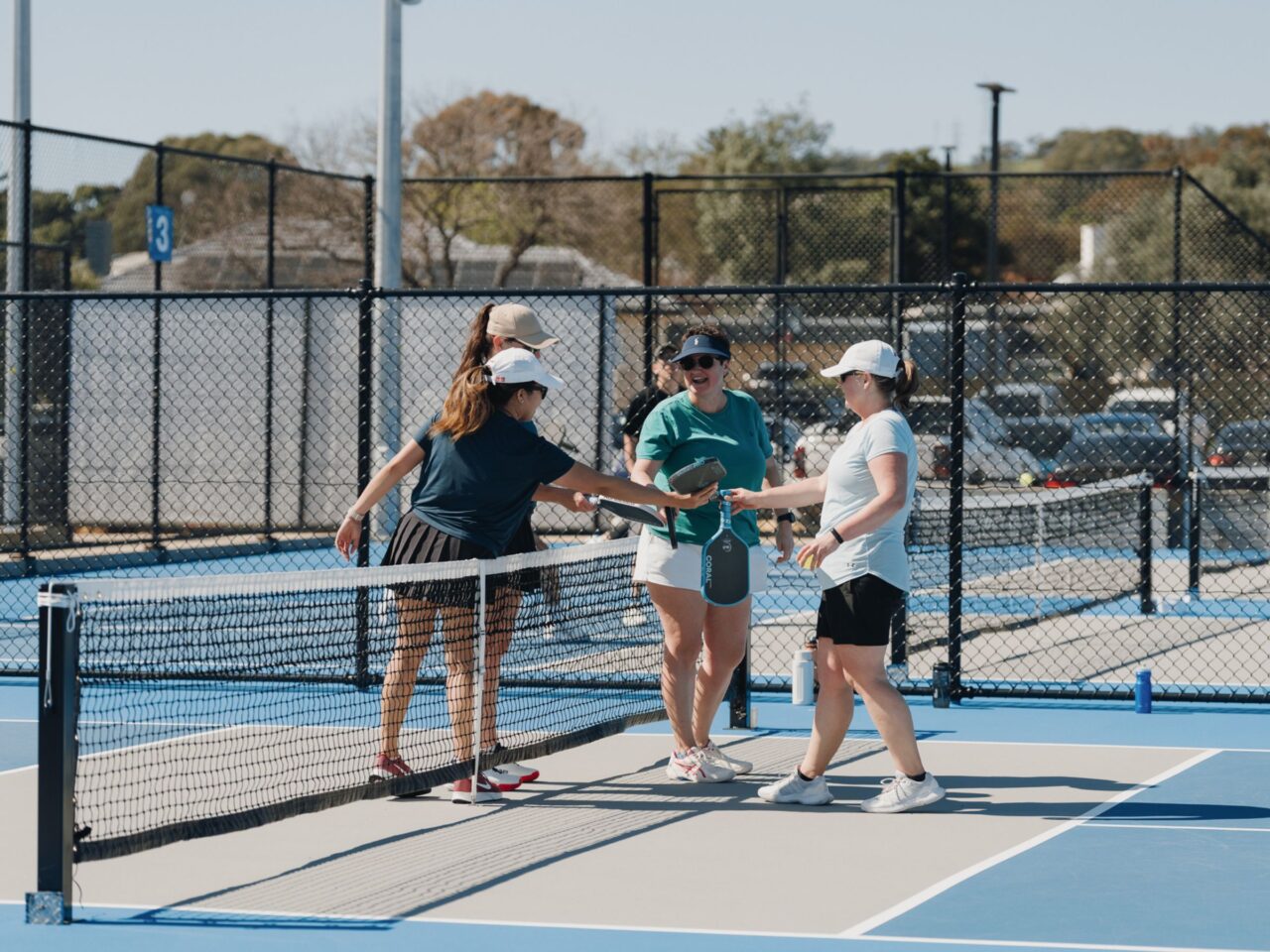
Playing doubles allows you to practise teamwork and communication while becoming familiar with the rules.
An experienced partner can help explain scoring, positioning and shot selection during the match.
Doubles is also a social format, making it appealing to friends, couples and people who enjoy group activities.
What About Singles?
Singles pickleball can be enjoyable, but it generally requires more court coverage and movement.
Players need to recover quickly after shots and manage the court without a partner.
If you’re completely new to the game, starting with doubles may make it easier to focus on learning the fundamentals.
Once you’ve developed confidence, you can explore singles as another playing option.
Do You Need Pickleball Coaching Before Playing a Match?
Not necessarily.
Some people learn pickleball through friends, social games or introductory sessions.
However, coaching can help beginners understand the fundamentals more clearly and avoid developing habits that make the game harder.
A coach can explain serving technique, demonstrate basic shots and help you understand where to stand during different situations.
They can also introduce modified games that gradually build towards regular matchplay.
For someone who has never played a racquet sport, this structured approach may be particularly useful.
Rather than trying to understand every rule and technique at once, you can focus on a few manageable skills during each session.
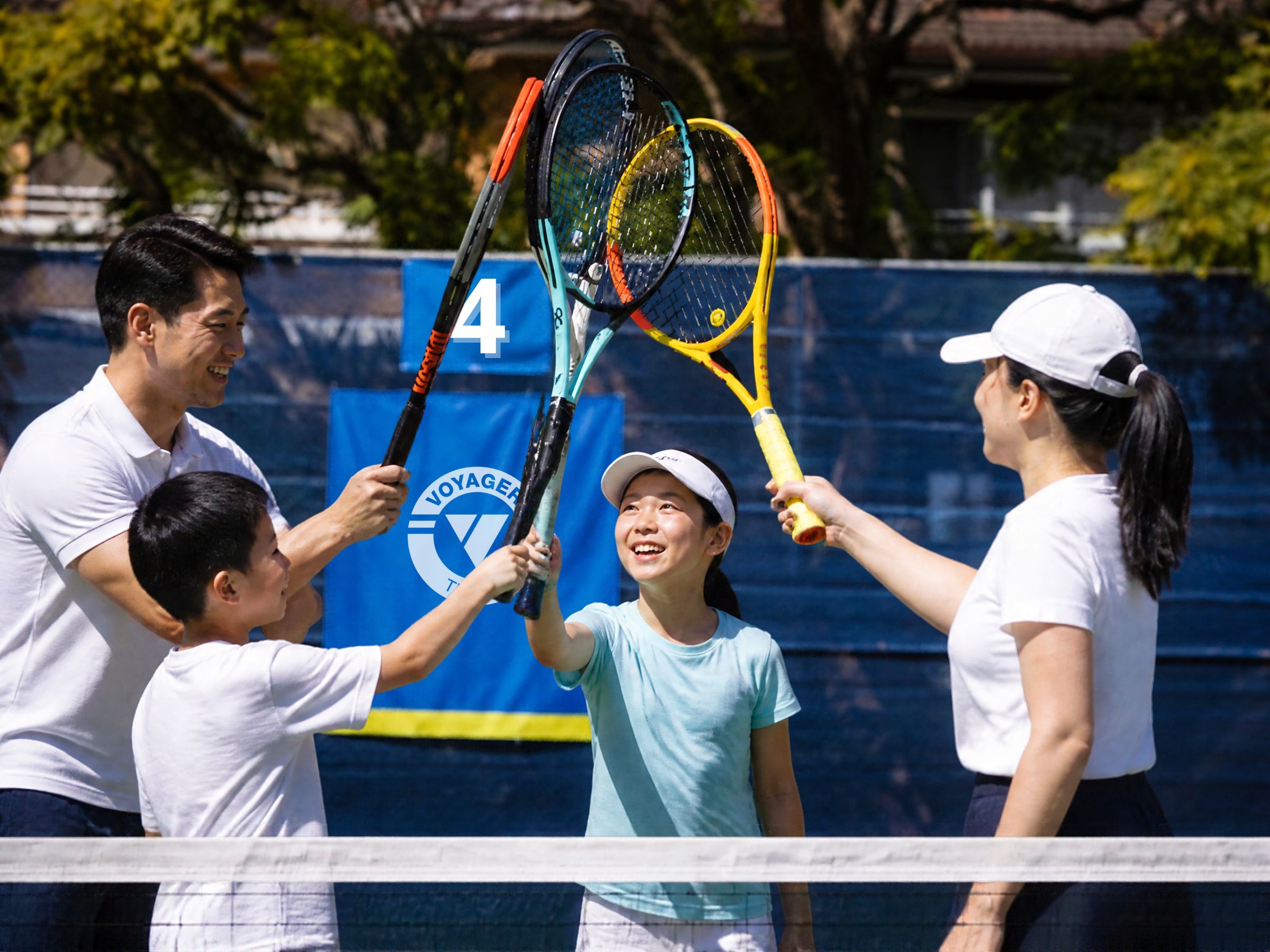
If you’re interested in getting started, explore pickleball coaching and playing opportunities at Voyager Tennis.
Five Ways to Feel More Confident Before Your First Match
A little preparation can make your first pickleball match more enjoyable.
- Practise a reliable serve. You don’t need a powerful serve. Focus on getting the ball into the correct service court consistently.
- Learn the two-bounce rule. Understanding when the ball must bounce will help you avoid unnecessary faults.
- Start with cooperative rallies. Try keeping the ball in play with a partner before worrying about winning points.
- Play with supportive people. Beginners often feel more comfortable when playing alongside others who are happy to explain rules and offer encouragement.
- Don’t worry about the score too much. Your first match is an opportunity to learn. Winning can wait.
It’s normal to forget a rule, miss an easy shot or lose track of the score.
Those experiences are part of learning a new sport.
When Are You Ready for Your First Pickleball Tournament?
Playing a friendly match and entering a tournament are different experiences.
A social match allows you to practise without the same competitive pressure, while tournaments generally involve formal rules, scheduled matches and opponents with varying levels of experience.
Before entering your first tournament, it’s helpful to feel comfortable with serving, scoring, court positioning and basic doubles communication.
You should also be able to sustain rallies and understand how matches are conducted.
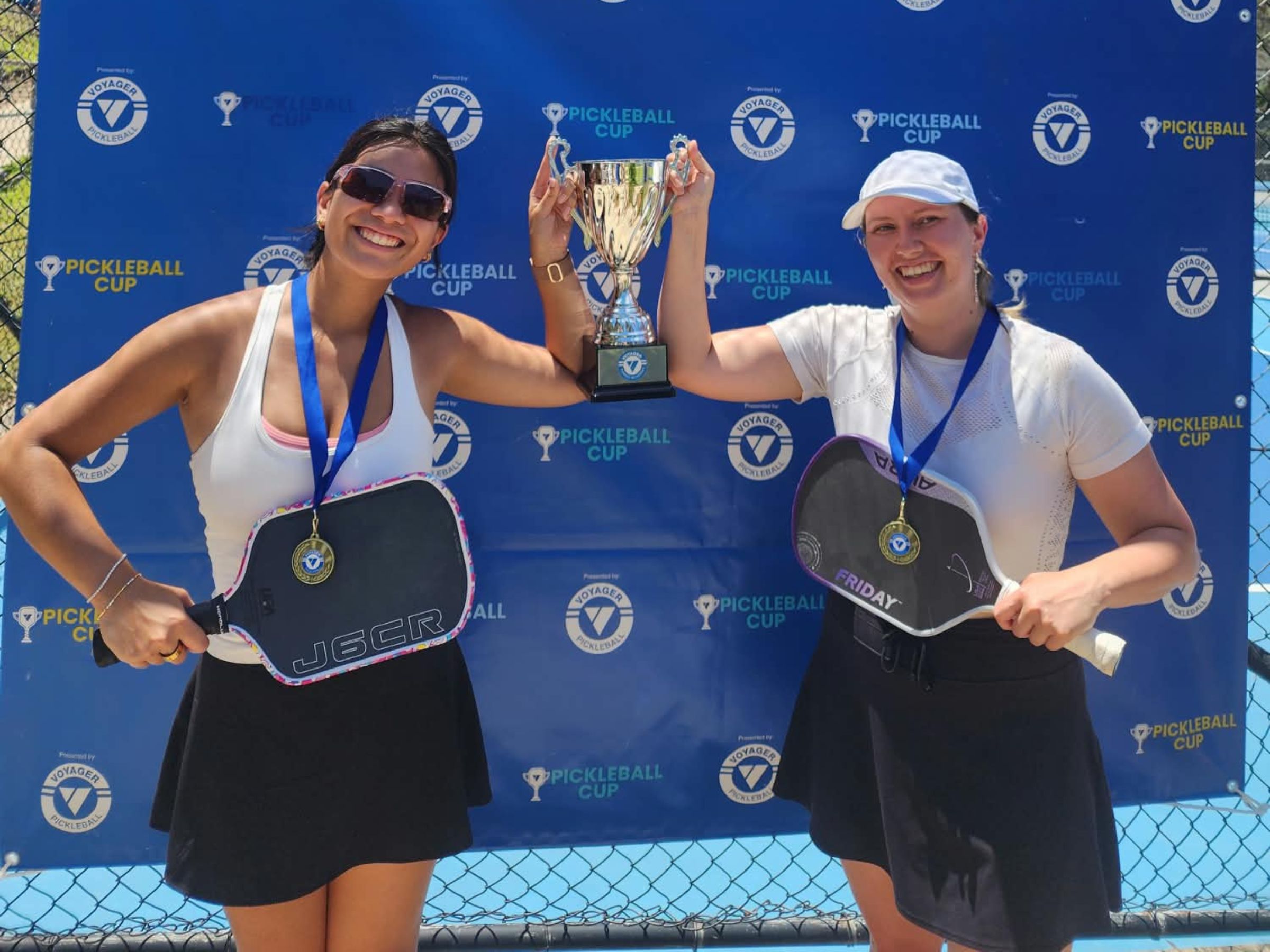
Once you’re ready to explore competitive opportunities, visit Voyager Tennis Pickleball Competitions to learn more.
There’s no need to rush into tournament play.
Regular social matches can provide valuable experience while you continue improving.
Start Playing Pickleball with Voyager Tennis
You don’t need to be an experienced athlete or have years of racquet sport experience to start learning pickleball.
Your first session might involve basic drills, short rallies and a friendly game. With practice, the rules become more familiar, your shots become more consistent and matchplay starts to feel more natural.
The most important step is simply getting started.
At Voyager Tennis, beginners can explore pickleball coaching and playing opportunities designed to help them develop their skills and enjoy time on court.
Whether your goal is to play socially, become more confident in doubles or eventually participate in competitions, every player starts somewhere.
Ready to experience pickleball for yourself?
Your first pickleball match could be closer than you think.
Share This
Related Posts