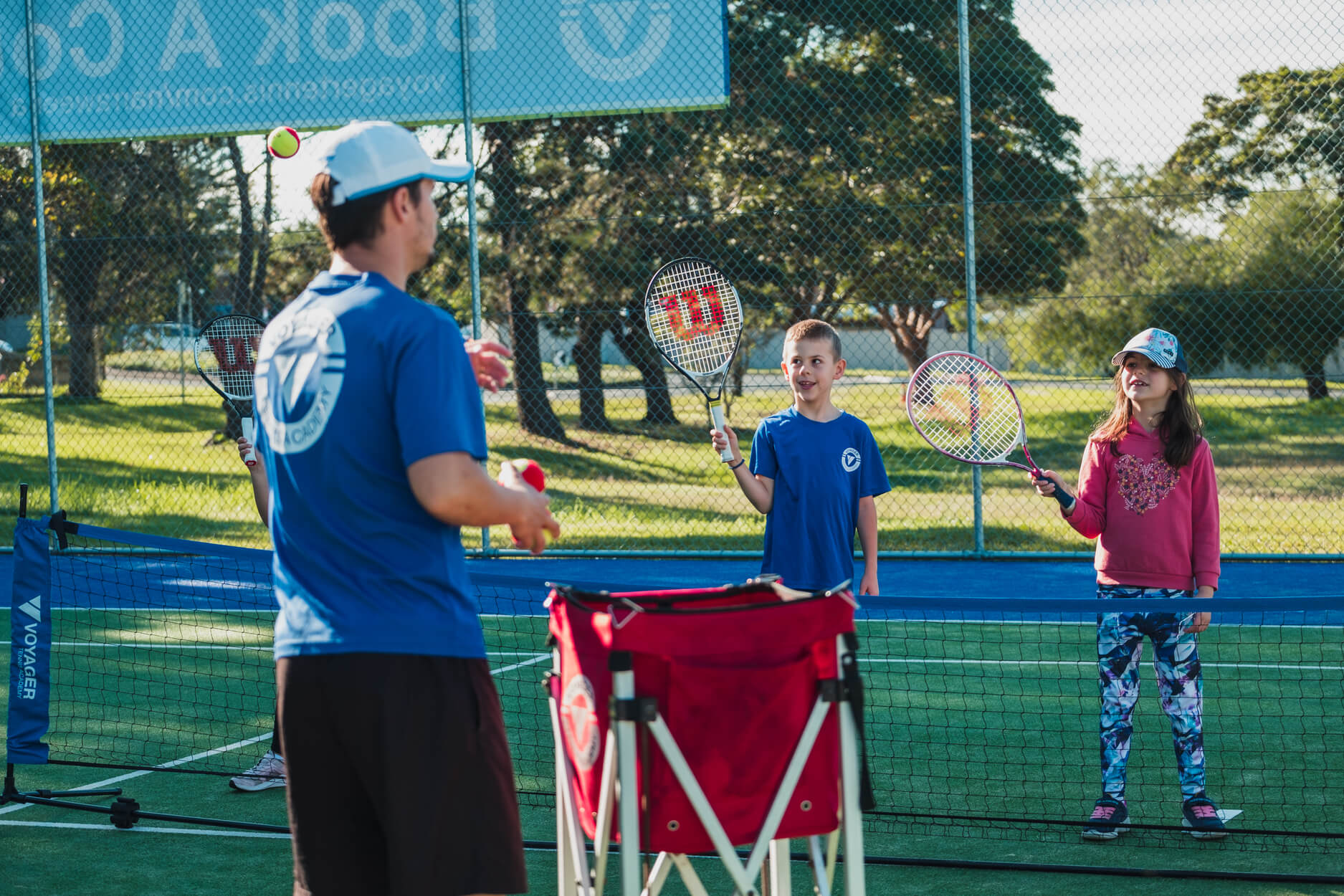


How Tennis Helps Children Build Resilience
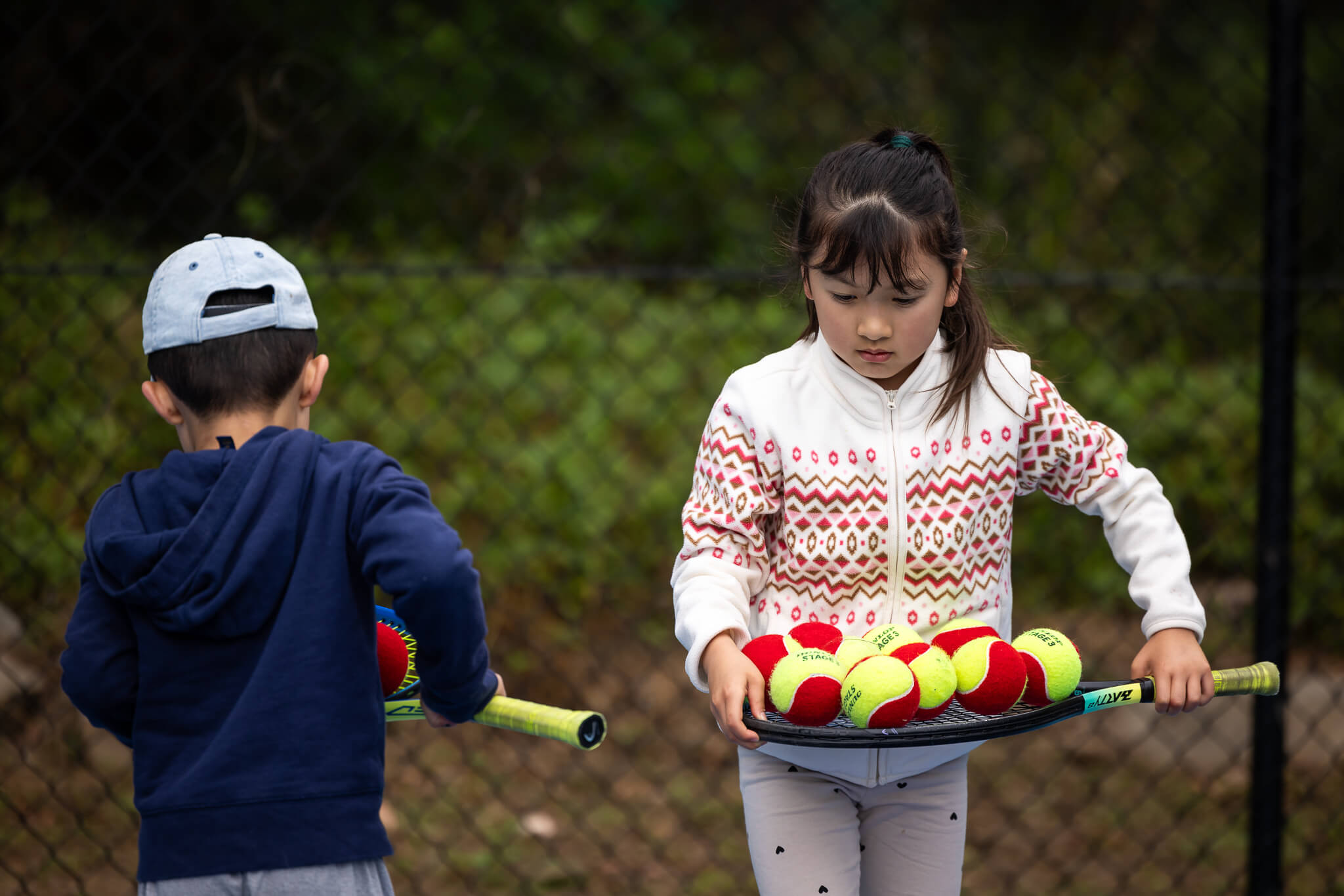
Key Takeaways
- Tennis teaches children that setbacks are part of learning and improvement.
- Every lesson helps develop resilience through perseverance, patience and problem-solving.
- Healthy competition builds confidence, emotional control and a positive mindset.
- Children learn to value effort, consistency and progress rather than perfection.
- The resilience developed through tennis supports success at school, in friendships and throughout everyday life.
One of the most valuable qualities a child can develop isn’t the ability to win every time, it’s the confidence to keep trying when things don’t go according to plan. Throughout childhood, there will always be moments of disappointment, whether it’s struggling with schoolwork, missing out on an opportunity or finding a new skill more difficult than expected. Helping children develop resilience gives them the confidence to face these challenges with a positive mindset instead of giving up.
Tennis provides an ideal environment for building resilience because it naturally combines challenge, learning and personal growth. Every lesson introduces something new to master, every rally demands focus and every match teaches children how to respond when things don’t go their way. Instead of seeing mistakes as failures, they begin to understand that improvement comes from learning, adapting and trying again. These are lessons that stay with children long after they leave the tennis court.
Every Mistake Is a Chance to Learn
One of the biggest lessons children learn through tennis is that mistakes aren’t something to fear, they’re part of getting better. Every player, from beginners to professionals, misses shots and loses points. What matters is how they respond afterwards.
Over time, children begin to understand that improvement comes from making adjustments rather than becoming frustrated. Instead of thinking, “I can’t do this,” they start asking, “What can I do differently next time?” That shift in thinking is one of the foundations of resilience.
Tennis teaches children to:
- View mistakes as learning opportunities rather than failures.
- Stay focused on the next point instead of dwelling on the last one.
- Develop confidence by recognising progress over perfection.
Learning That Progress Takes Time
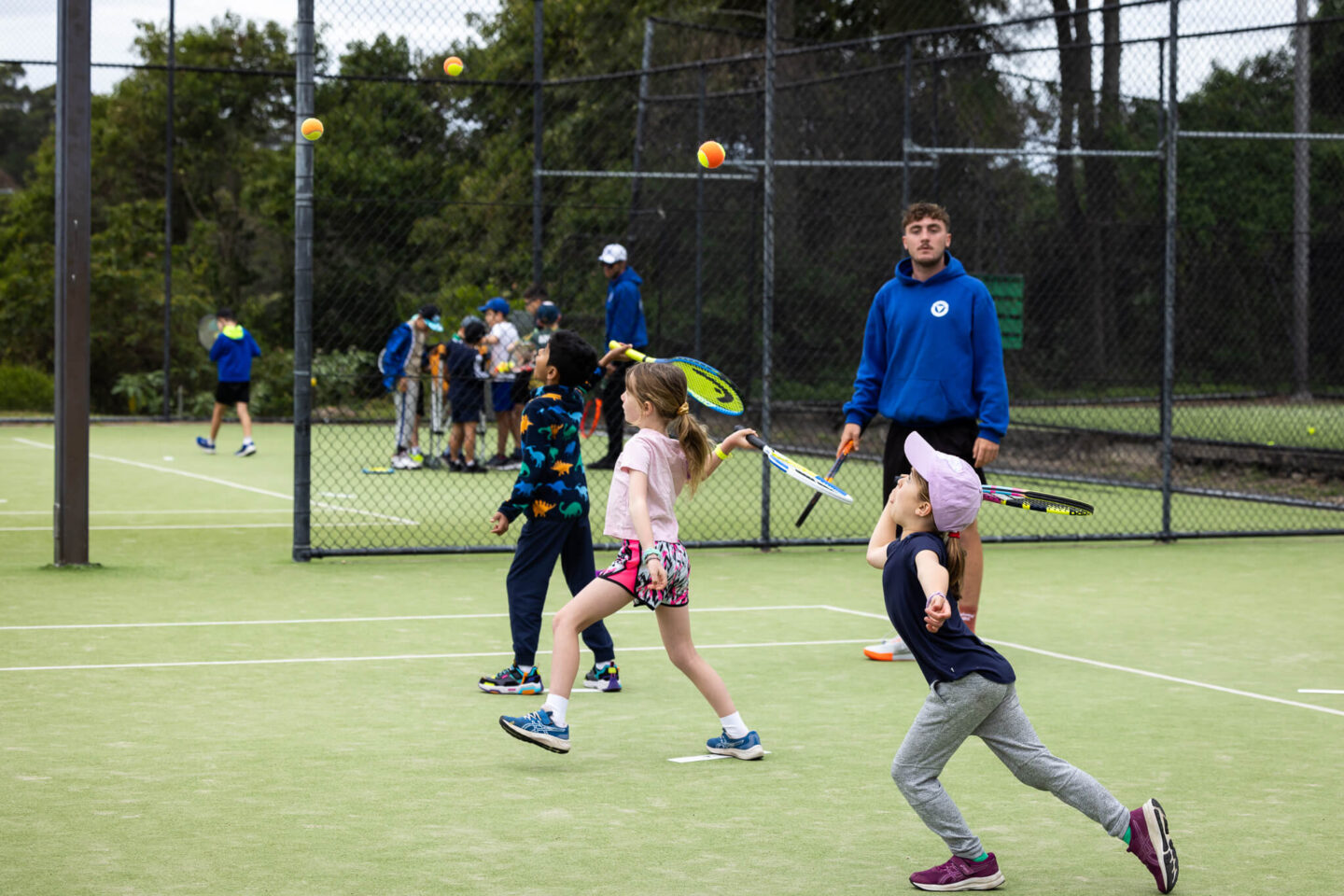
Modern life has conditioned many children to expect instant results. Entertainment is available immediately, games provide quick rewards and answers to questions are only a few taps away. While technology certainly has its place, it doesn’t always teach the value of patience.
Tennis offers a completely different experience.
Learning to serve consistently, improve footwork or rally confidently requires regular practice over weeks, months and sometimes years. Some sessions feel rewarding, while others may be more challenging, but every lesson contributes to a child’s development.
As children continue returning to the court, they begin to appreciate that meaningful progress rarely happens overnight. Instead, they discover that consistent effort, persistence and a willingness to keep practising eventually produce results. This lesson often becomes just as valuable in the classroom as it is during sport, helping children develop patience when learning new subjects or tackling difficult tasks.
Competition Teaches More Than Winning
Competition is often associated with winning and losing, but for children it’s really about learning how to handle both outcomes positively. Every match provides valuable feedback and encourages players to reflect on their performance rather than simply looking at the score.
Along the way, children develop important life skills such as:
- Managing emotions under pressure.
- Showing respect for opponents and officials.
- Accepting setbacks with a positive attitude.
- Setting new goals after every match.
These experiences help children become more adaptable and resilient both on and off the court.
Building Emotional Strength on the Court
Every tennis player experiences moments of frustration.
A close match might slip away after a few unforced errors. A simple volley may hit the net. A serve they’ve practised all week might not land when it matters most.
These moments are inevitable, but they’re also incredibly valuable.
Rather than reacting with frustration or giving up, children gradually learn how to reset their thinking and focus on the next point. Coaches help players develop routines that encourage calm decision-making, positive self-talk and emotional control during challenging situations.
Learning how to recover emotionally after disappointment is one of the most important aspects of resilience. It teaches children that one mistake doesn’t define the rest of the match, just as one difficult day doesn’t define future success.
The Role of Parents and Coaches
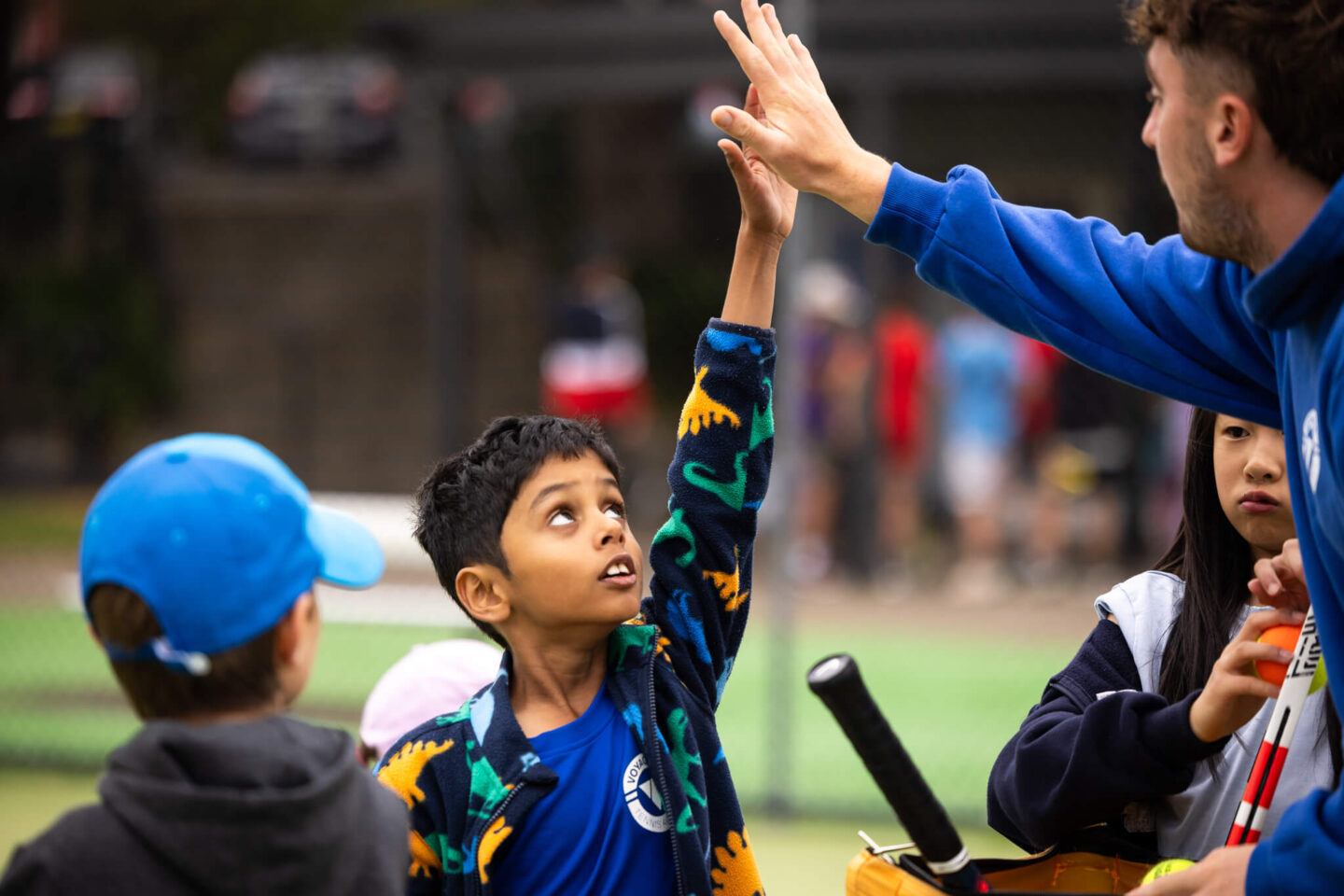
Resilience doesn’t develop by chance. It grows in environments where children feel supported while still being encouraged to challenge themselves.
Parents and coaches both play an important role in shaping this environment. When adults praise effort instead of only celebrating wins, children become more willing to take risks and embrace learning. Likewise, coaches who focus on improvement rather than perfection help players understand that everyone progresses at their own pace.
This balance creates a healthy relationship with success and failure. Children become more confident trying new skills because they know mistakes are accepted as part of the learning process. Rather than fearing failure, they begin seeing challenges as opportunities to grow.
The Benefits Extend Beyond Tennis
One of the reasons parents value tennis is because the lessons don’t stay on the court. As children become more resilient in sport, they often begin applying the same mindset elsewhere in life.
Parents commonly notice improvements in areas such as:
- Tackling difficult homework without giving up.
- Becoming more willing to try new activities.
- Recovering more quickly after disappointment.
- Building confidence in social situations.
- Developing greater independence and responsibility.
These qualities continue supporting children long after the final point has been played.
Final Thoughts
Resilience isn’t something children either have or don’t have. It’s a skill that develops through experience, encouragement and repeated opportunities to overcome challenges.
Tennis provides those opportunities every time a child steps onto the court. Whether they’re learning a new stroke, competing in a friendly match or simply trying again after a difficult rally, they’re developing the confidence to keep moving forward despite setbacks.
For parents looking for an activity that supports both physical development and emotional wellbeing, tennis offers far more than fitness. It helps children develop resilience, confidence and perseverance while teaching them that growth comes through effort, patience and a willingness to keep learning.
Helping Children Grow Through Every Challenge
Every child deserves the opportunity to discover what they’re capable of, and that often begins by giving them the confidence to embrace new challenges.
At Voyager Tennis, children are encouraged to learn at their own pace in a supportive environment where effort is recognised, progress is celebrated and mistakes are viewed as part of the journey. Through engaging coaching sessions and positive encouragement, they develop not only stronger tennis skills but also the resilience and confidence that help them succeed beyond the court.
If you’re looking for an activity that supports your child’s personal growth as much as their sporting development, explore the Junior Coaching Program or book a free trial and see how tennis can help your child build skills that will last a lifetime.
Share This
Related Posts