
How Tennis Helps Children Make Friends
Key Takeaways
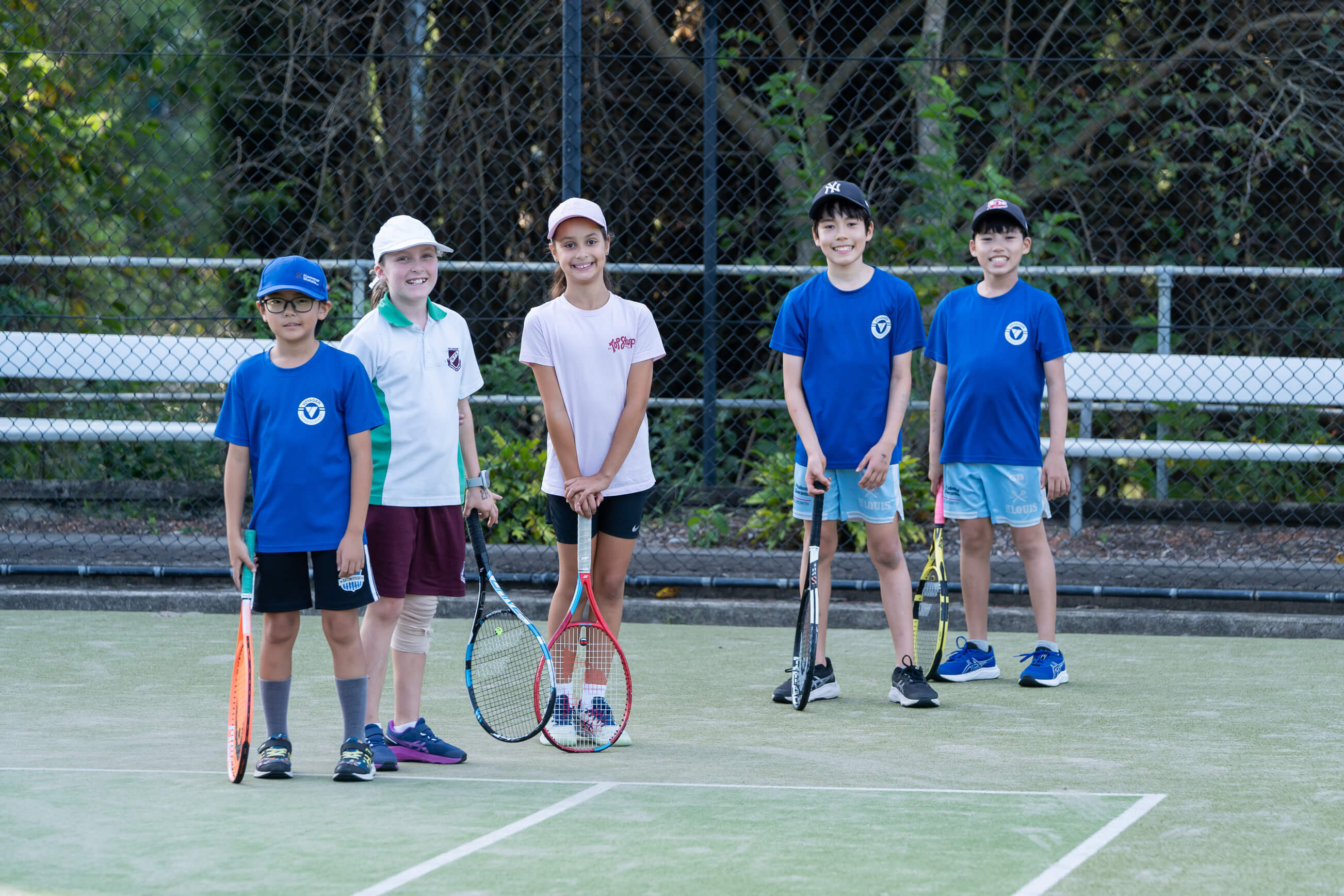
- Tennis helps children develop social skills through shared learning and teamwork.
- Regular coaching creates opportunities to build confidence and lasting friendships.
- Group activities encourage communication, cooperation and good sportsmanship.
- Positive coaching environments help children feel included and supported.
- The friendships formed through tennis often become one of the biggest reasons children continue playing.
Parents often enrol their children in tennis to improve fitness, coordination or confidence. While those are all fantastic reasons to get involved, many families discover an unexpected benefit after only a few weeks, new friendships.
Unlike many first-day experiences where children are expected to introduce themselves or immediately fit into a group, tennis allows friendships to develop naturally. Conversations begin while collecting balls, encouraging a partner during a rally or laughing together after a fun game. Before long, familiar faces become teammates, and teammates become friends.
It’s one of the reasons tennis has such a positive influence on tennis social skills. Children aren’t simply learning how to play a sport; they’re learning how to communicate, cooperate and feel comfortable around others.
Why Sport Makes It Easier to Build Friendships
Making friends can feel challenging, particularly for younger children or those who are naturally shy.
Sport provides something that everyday social situations often don’t, a shared purpose.
Instead of wondering what to say or how to join a conversation, children are already working towards the same goal. They’re learning a new skill, completing a challenge or playing a game together.
Because everyone is focused on the activity rather than the conversation itself, friendships often develop without children even realising it.
Tennis is especially effective because lessons combine movement, games and partner activities, giving children regular opportunities to interact with different players throughout every session.
Learning Together Creates Stronger Connections
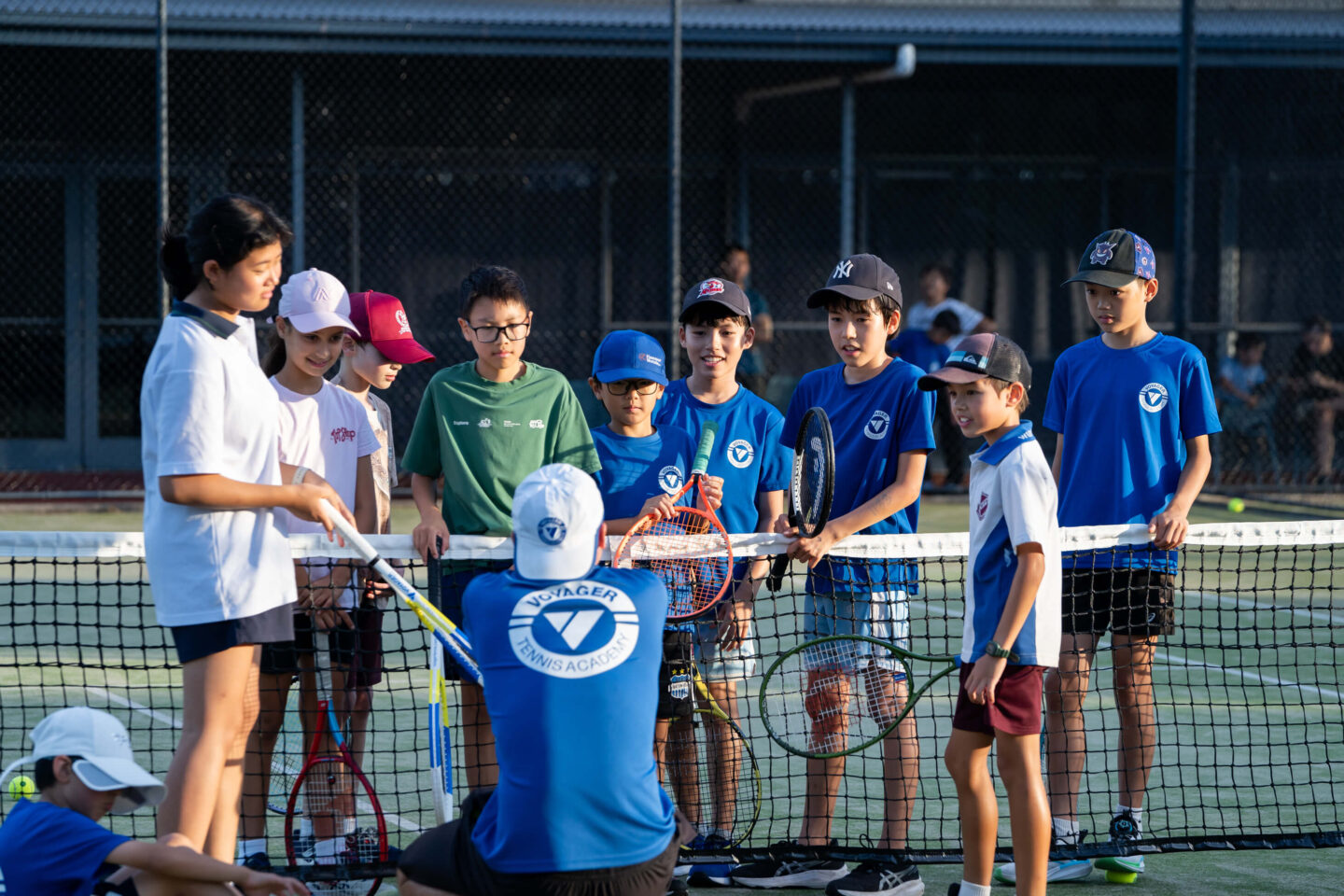
One of the unique aspects of junior tennis is that improvement happens together.
Every child starts somewhere. Some arrive having never held a racquet before, while others already have experience on the court. Regardless of their starting point, everyone experiences similar milestones like hitting their first rally, learning to serve or successfully completing a challenging drill.
Sharing those moments creates a genuine sense of connection.
Children naturally celebrate each other’s achievements because they understand how much effort goes into reaching them.
Over time, those shared experiences become the foundation for lasting friendships.
Confidence Comes Before Conversation
Parents are often surprised to see how quickly their children become more confident after starting tennis.
The change isn’t always immediate, but it grows with every lesson.
As children become more comfortable with the environment, they begin speaking more freely with coaches, encouraging other players and volunteering to participate in activities they may have avoided during their first session.
Confidence doesn’t only come from hitting better shots.
It comes from feeling like they belong.
When children know they’re part of a welcoming group, they’re far more willing to introduce themselves, ask questions and build relationships with the people around them.
Strong tennis social skills develop because children feel safe enough to be themselves.
More Than an Individual Sport
Although tennis is often seen as an individual sport, junior coaching looks very different.
Children spend much of their time working with partners, rotating through groups and taking part in activities that encourage cooperation rather than individual competition.
A simple rally becomes an exercise in teamwork.
Mini-games teach players to communicate.
Group challenges encourage children to celebrate one another’s success.
Even friendly competition provides valuable lessons about respect, encouragement and handling both wins and losses positively.
These everyday interactions help children develop communication skills they’ll continue using well beyond the tennis court.
The Role Coaches Play
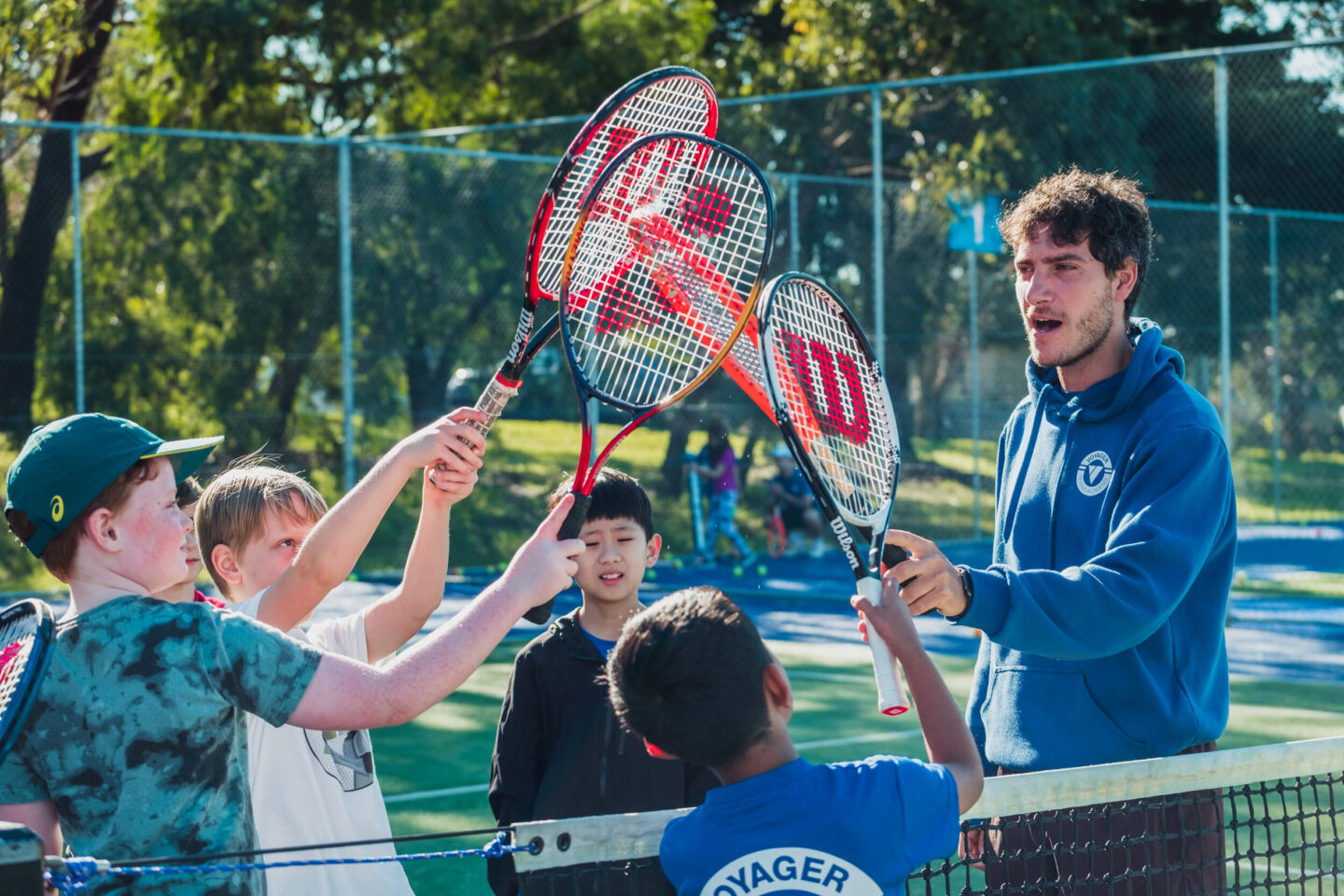
Friendships don’t happen by accident.
The environment created by coaches plays an enormous role in helping children feel comfortable.
Great coaches understand that every child is different.
Some naturally lead conversations, while others prefer to observe before joining in.
Rather than forcing interaction, experienced coaches create activities where communication happens naturally. Children begin encouraging partners, solving problems together and celebrating achievements without feeling pressured.
This approach helps every player feel included regardless of their personality or experience level.
It’s often these small moments that transform tennis from a weekly activity into something children genuinely look forward to.
Why Friendships Keep Children Playing
Ask many children why they enjoy tennis and you’ll often hear an answer that has little to do with forehands or serves.
They’ll simply say, “My friends are there.”
While learning new skills keeps children motivated, friendships often become the reason they continue participating year after year.
Seeing familiar faces each week gives children something to look forward to beyond the game itself.
They encourage one another during lessons, practise together outside coaching and celebrate each other’s progress as they improve.
These relationships create a sense of belonging that benefits children both socially and emotionally.
In many cases, the friendships built through tennis continue well beyond the court.
Final Thoughts
Tennis teaches far more than technique.
Every lesson provides opportunities for children to communicate, cooperate, solve problems and build meaningful relationships with others. Along the way, they develop confidence, empathy and respect which are qualities that will support them at school, in future workplaces and throughout everyday life.
For parents searching for an activity that encourages both personal growth and social development, tennis offers a unique combination of physical activity and genuine human connection.
Sometimes, the greatest outcome of a tennis lesson isn’t learning a better forehand.
It’s finding a new friend.
Where Friendships and Confidence Grow Together
The best coaching environments recognise that every child develops differently. Some children arrive eager to join in, while others need a little time before they feel comfortable. That’s why creating a welcoming atmosphere is just as important as teaching technique.
At Voyager Tennis, junior coaching is designed to help children grow as people as well as players. Through engaging activities, supportive coaches and classes tailored to each stage of development, children gain confidence while building friendships that often last long after the lesson ends.
If you’re looking for an activity that helps your child stay active, develop tennis social skills and become part of a positive community, the Junior Coaching Program is a great place to begin. Families who would like to experience the coaching environment first can also book a free trial and see firsthand how tennis brings children together.
Share This
Related Posts