


Reduce Screen Time with Tennis

Key Takeaways
- Tennis screen time alternatives encourage children to be active, social and engaged.
- Regular tennis lessons provide a healthy balance between technology and physical activity.
- Time on the court improves fitness, concentration and confidence while reducing sedentary habits.
- Tennis helps children build friendships and enjoy real-world experiences.
- Creating positive routines around sport can make reducing screen time easier for the whole family.
Screens have become part of everyday life. From online learning and homework to gaming and streaming, children are spending more time on digital devices than ever before. While technology has many benefits, finding a healthy balance is important for a child’s physical, mental and social development.
One of the most enjoyable ways to create that balance is through tennis.
Rather than focusing on what children should spend less time doing, tennis gives them something they genuinely want to spend more time doing. Every lesson is filled with movement, laughter, challenges and opportunities to learn, making it easier for children to swap screen time for time on the court.
For many families, choosing tennis isn’t simply about learning a new sport. It’s about creating healthier routines that children look forward to each week.
Giving Children Something Better Than a Screen
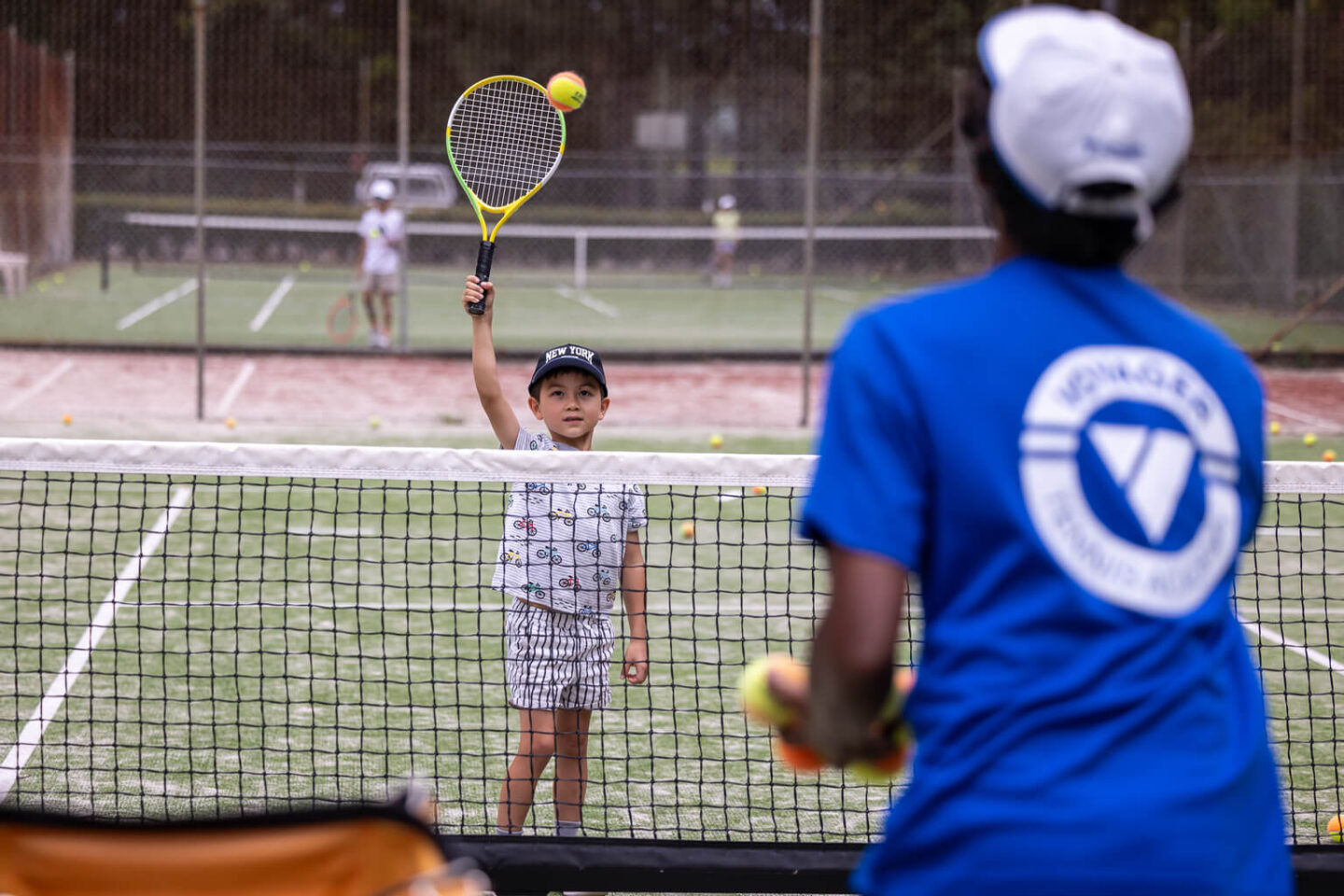
Reducing screen time can sometimes feel like an uphill battle.
Simply taking devices away often creates frustration because nothing replaces the excitement or stimulation they provide.
Tennis offers a different approach.
Instead of removing something, parents introduce an activity that naturally captures a child’s attention. Hitting a rally for the first time, playing fun games with other children and working towards new challenges gives young players a genuine sense of achievement that screens can’t replicate.
Over time, many children begin looking forward to tennis lessons as one of the highlights of their week.
Movement Supports Healthy Development
After a full day at school, many children need an opportunity to move.
Running, changing direction and hitting tennis balls helps improve fitness while giving children an outlet for their energy.
Regular physical activity supports healthy growth by improving:
- Coordination
- Balance
- Agility
- Strength
- Cardiovascular fitness
Unlike sitting in front of a screen, tennis keeps children physically engaged from the moment they step onto the court.
The more they move, the more confident they become and this is not just in tennis, but in other sports and everyday activities as well.
Better Focus Starts Away From the Screen
Parents often notice something unexpected after their child begins playing tennis.
It’s not only their movement that improves.
Many children become better at concentrating.
Every tennis lesson requires players to watch the ball, react quickly, follow instructions and make decisions throughout each rally. These skills encourage sustained attention while helping children learn how to stay focused on one task at a time.
For children who spend long periods switching between apps, videos and games, tennis provides a welcome change of pace where concentration happens naturally through play.
Real Friendships Can’t Be Downloaded
One of the greatest benefits of reducing tennis screen time is replacing virtual interaction with real-world connections.
On the tennis court, children encourage one another, celebrate successes and solve challenges together.
Friendships often begin through simple moments like a shared laugh during a game, cheering on a teammate or working together during a drill.
These interactions help children develop communication skills, empathy and confidence while creating memories that extend far beyond the court.
Many young players return each week not only because they enjoy tennis, but because they enjoy seeing their friends.
Confidence Grows Through Experience
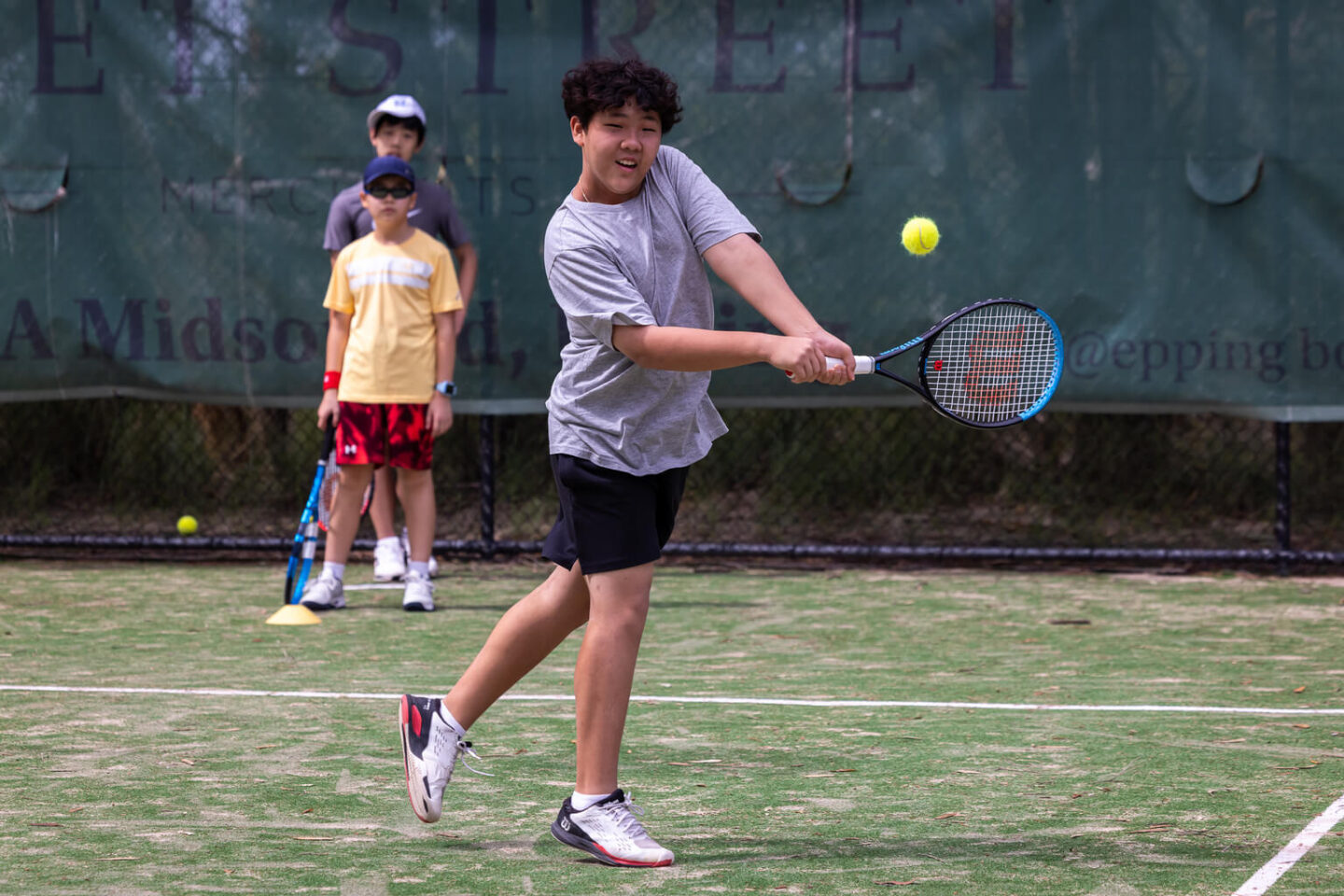
Children build confidence by trying new things, overcoming challenges and recognising their own progress.
Tennis provides opportunities for all three.
Every lesson introduces achievable goals that help children experience success, whether it’s learning a new stroke, completing a rally or simply becoming more comfortable participating in a group.
Unlike digital rewards that disappear when a game is switched off, the confidence developed through sport becomes part of who they are.
Those experiences often carry into school, friendships and other areas of everyday life.
Small Changes Create Lasting Habits
Reducing screen time doesn’t have to happen all at once.
In fact, replacing just one afternoon each week with tennis can begin creating healthier routines.
Children start associating after-school hours with movement, learning and social interaction rather than automatically reaching for a device.
As those positive experiences build, many families naturally find a healthier balance between technology and active recreation.
The goal isn’t to eliminate screens entirely.
It’s to make sure they don’t replace the valuable experiences children gain through physical activity and face-to-face interaction.
Why the Right Environment Matters
Children are more likely to stay active when they genuinely enjoy where they’re learning.
A welcoming coaching environment helps every child feel comfortable, whether they’re naturally confident or trying tennis for the very first time.
A structured Junior Coaching Program introduces children to tennis through games, movement and age-appropriate activities that make learning enjoyable. Instead of focusing solely on technique, lessons encourage participation, teamwork and personal development, giving children plenty of reasons to return each week.
When children enjoy the experience, choosing tennis over extra screen time becomes an easy decision rather than a difficult one.
Final Thoughts
Technology will always be part of modern life, and that’s not necessarily a bad thing.
The key is finding meaningful activities that encourage children to step away from their screens and engage with the world around them.
Tennis offers exactly that.
It keeps children active, challenges their minds, helps them build friendships and creates experiences that can’t be replicated through a device. More importantly, it gives them the opportunity to discover new skills, develop confidence and enjoy being part of a supportive community.
Sometimes, the best way to reduce tennis screen time isn’t by setting stricter limits.
It’s by giving children something even more rewarding to look forward to.
Trading Screen Time for Court Time
The best activities don’t compete with screens, they replace them with experiences children genuinely enjoy.
At Voyager Tennis, every lesson is designed to keep children active, engaged and excited to learn. Through fun coaching sessions, supportive instructors and age-appropriate programs, young players develop confidence, movement skills and friendships while spending more time outdoors and less time behind a screen.
If you’re looking for a healthy activity that your child will enjoy week after week, explore the Junior Coaching Program or book a free trial and discover how tennis can become a positive part of your family’s routine.
Share This
Related Posts