
From Hot Shots to High Performance: Understanding the Tennis Pathway
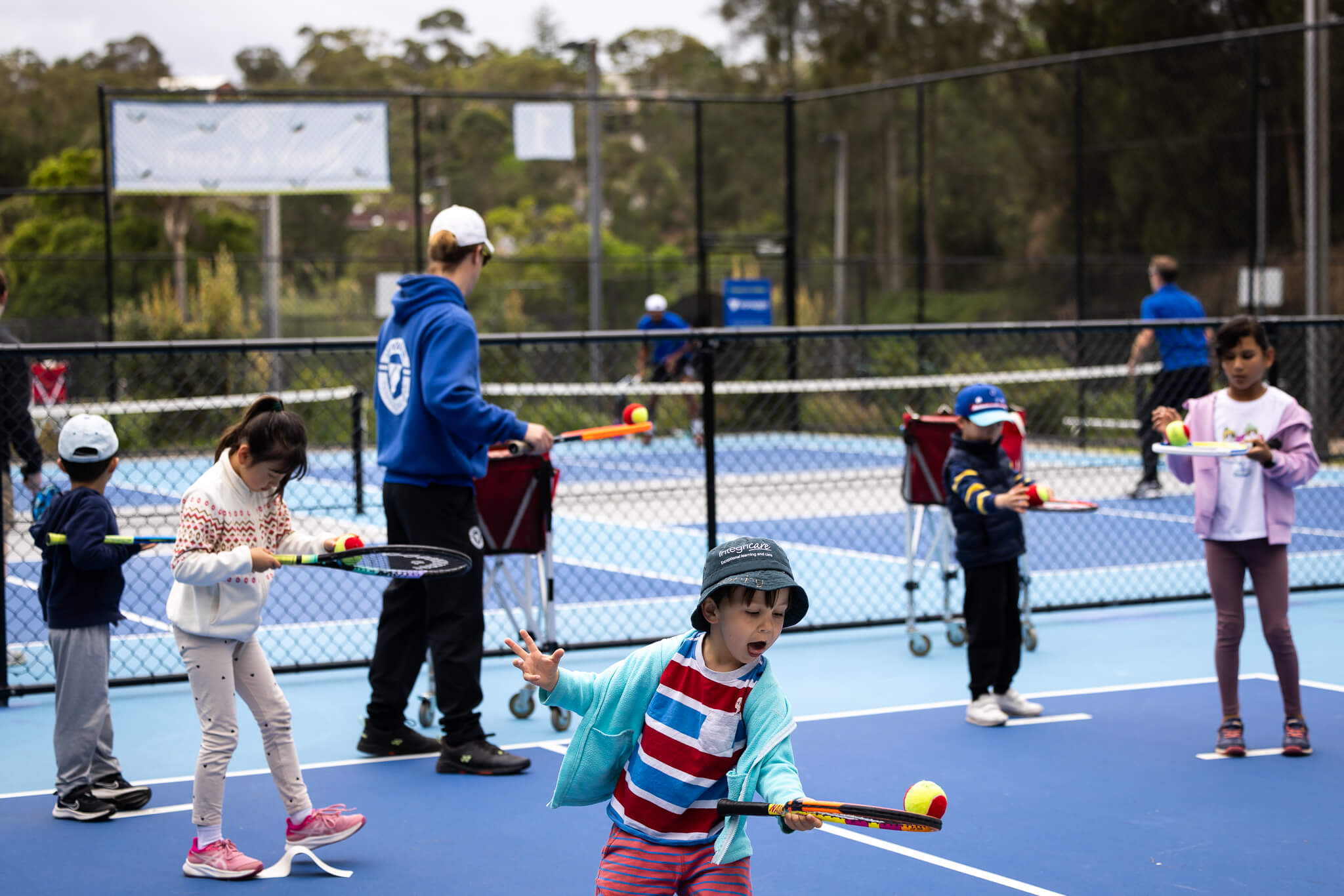
Every tennis player starts somewhere. For some children, it’s their first time holding a racquet. For others, it’s learning to rally with a friend or playing their first competitive match.
As young players gain confidence and experience, parents often wonder what comes next. Should their child move into a more advanced coaching group? When is the right time to start competing? And what does it take to progress towards high-performance tennis?
A well-structured tennis pathway helps answer these questions by providing opportunities for players to develop at a pace that suits their age, ability, interests and goals.
From the first experience of Hot Shots tennis to advanced training and tournament competition, each stage plays an important role in building skills and a lasting enjoyment of the sport.
What Is a Tennis Pathway?
A tennis pathway is a structured approach to player development that helps children progress from beginner tennis activities to more advanced coaching and competition.
Rather than focusing solely on age, a good pathway considers a player’s technical ability, movement, confidence, tactical understanding and readiness for new challenges.
The stages typically include:
- Hot Shots and introductory tennis programs
- Junior development coaching
- Intermediate and advanced squad training
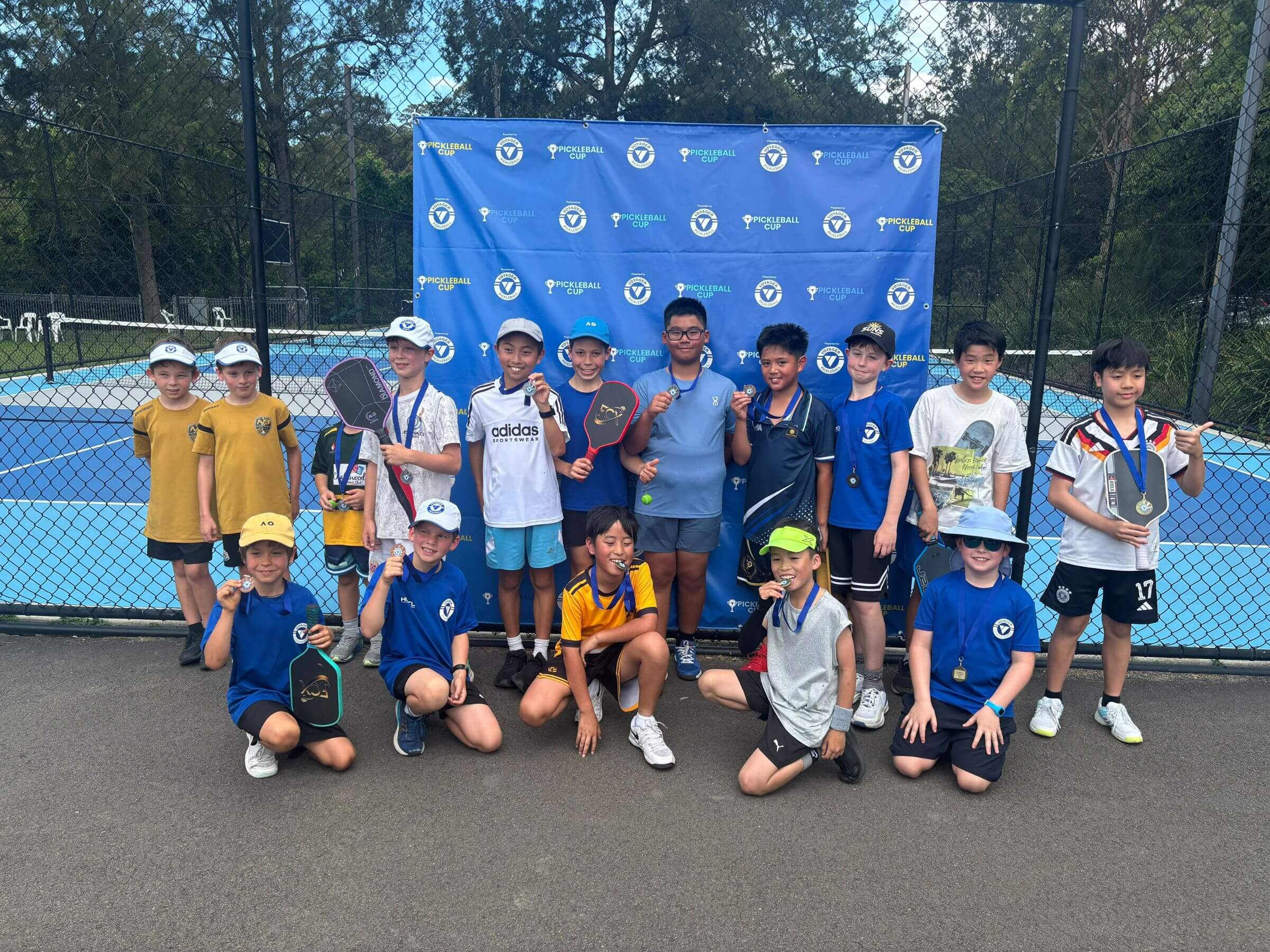
- Competitive matchplay and tournaments
- High-performance tennis programs
Not every player will follow the same route. Some children enjoy recreational tennis throughout their lives, while others develop ambitions to compete at a higher level.
The purpose of a tennis pathway is to provide appropriate opportunities for both.
Stage 1: Hot Shots – Building the Foundations
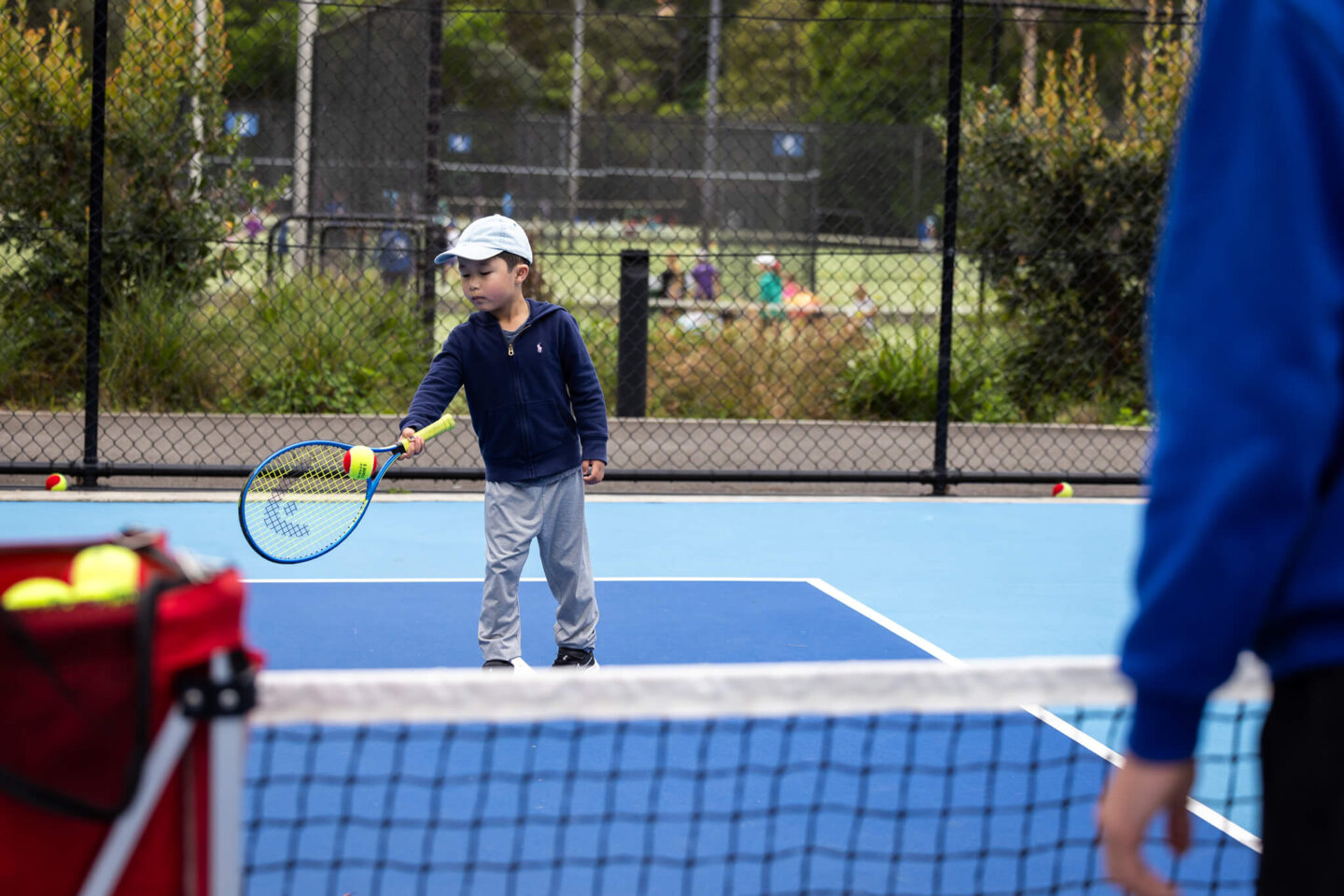
For many Australian children, Tennis Hot Shots is their first introduction to organised tennis.
The program uses modified equipment, smaller courts and age-appropriate activities to help young players develop fundamental skills.
Instead of expecting beginners to immediately play on a full-sized court with standard tennis balls, Hot Shots makes tennis easier to learn and more enjoyable.
What Children Learn During Hot Shots
Early coaching focuses on developing:
- Basic racquet control and hand-eye coordination
- Forehand and backhand fundamentals
- Movement, balance and agility
- Simple rallying and ball tracking
- Confidence through games and group activities
Tennis Hot Shots commonly progresses through Blue, Red, Orange and Green stages, although the appropriate starting point depends on the child’s age and ability.
Each stage gradually introduces more challenging court dimensions, equipment and playing situations.
Why This Stage Matters
The early years of tennis development should be about building confidence and enjoying the learning process.
Children who feel comfortable on court are more likely to participate regularly, practise new skills and develop an interest in continuing.
For parents, the key is to look beyond how hard their child can hit the ball. Consistency, coordination, enthusiasm and willingness to learn are often more useful signs of progress.
Stage 2: Junior Development – Turning Skills into Consistent Play
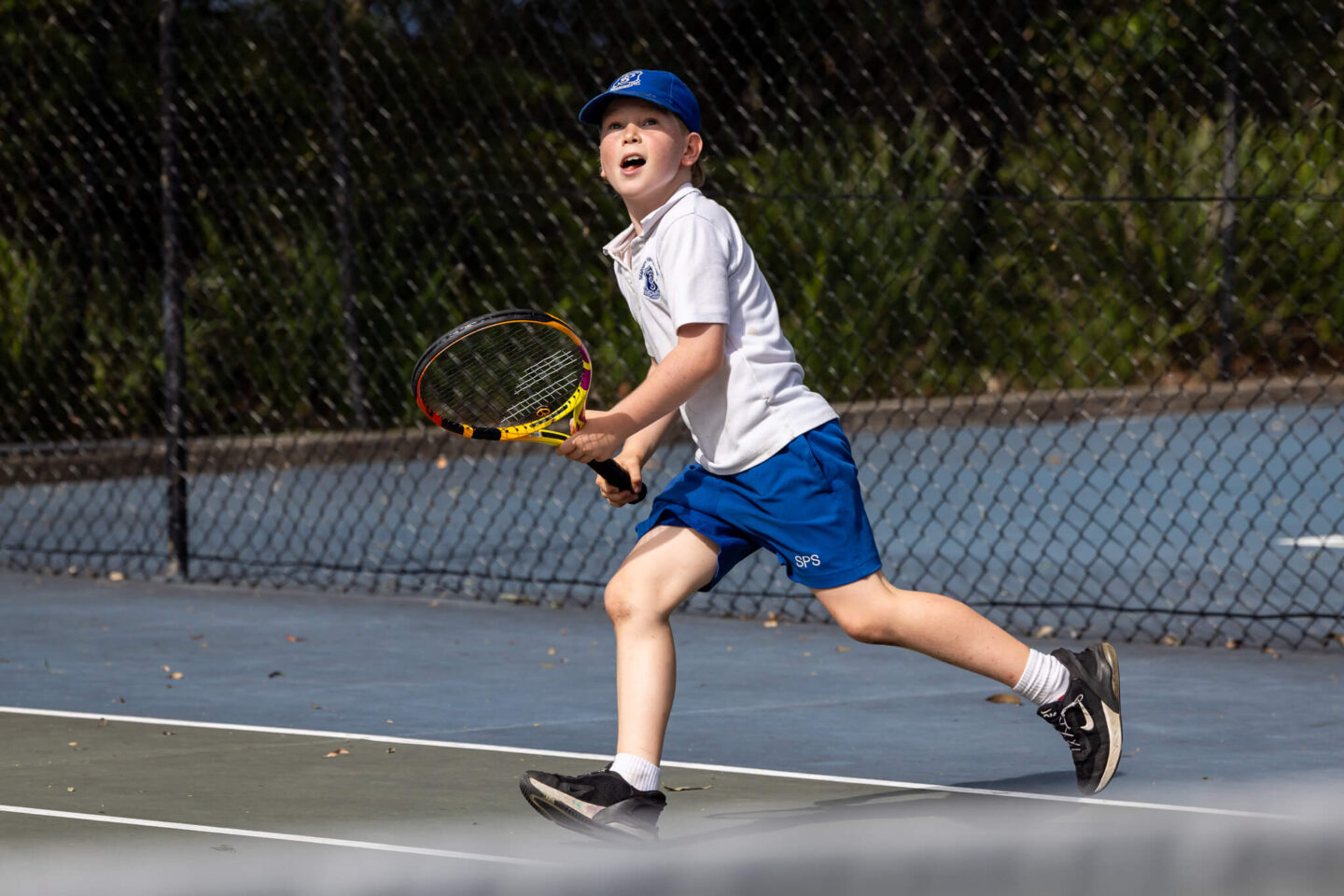
Once players can rally with reasonable control and understand basic tennis rules, the next stage of the tennis pathway generally involves more structured junior coaching.
At this level, players begin moving beyond individual shots and learning how to use their skills during points.
Key Areas of Development
Junior development coaching typically introduces:
- More consistent groundstrokes and serving
- Improved footwork and court recovery
- Basic tactics, including placement and direction
- Understanding scoring and match formats
- Decision-making during rallies
Players also learn how to recognise different situations on court.
For example, rather than always trying to hit a winning shot, they begin understanding when to play safely, when to change direction and when to attack.
When Is a Child Ready to Progress?
Progression should be based on readiness rather than simply completing a certain number of lessons.
A coach may consider whether the player can sustain rallies, demonstrate basic stroke technique, move effectively and remain engaged during more demanding activities.
Some children progress quickly in certain areas while needing additional time in others. That’s a normal part of learning.
Stage 3: Squad Training – Developing the Competitive Player
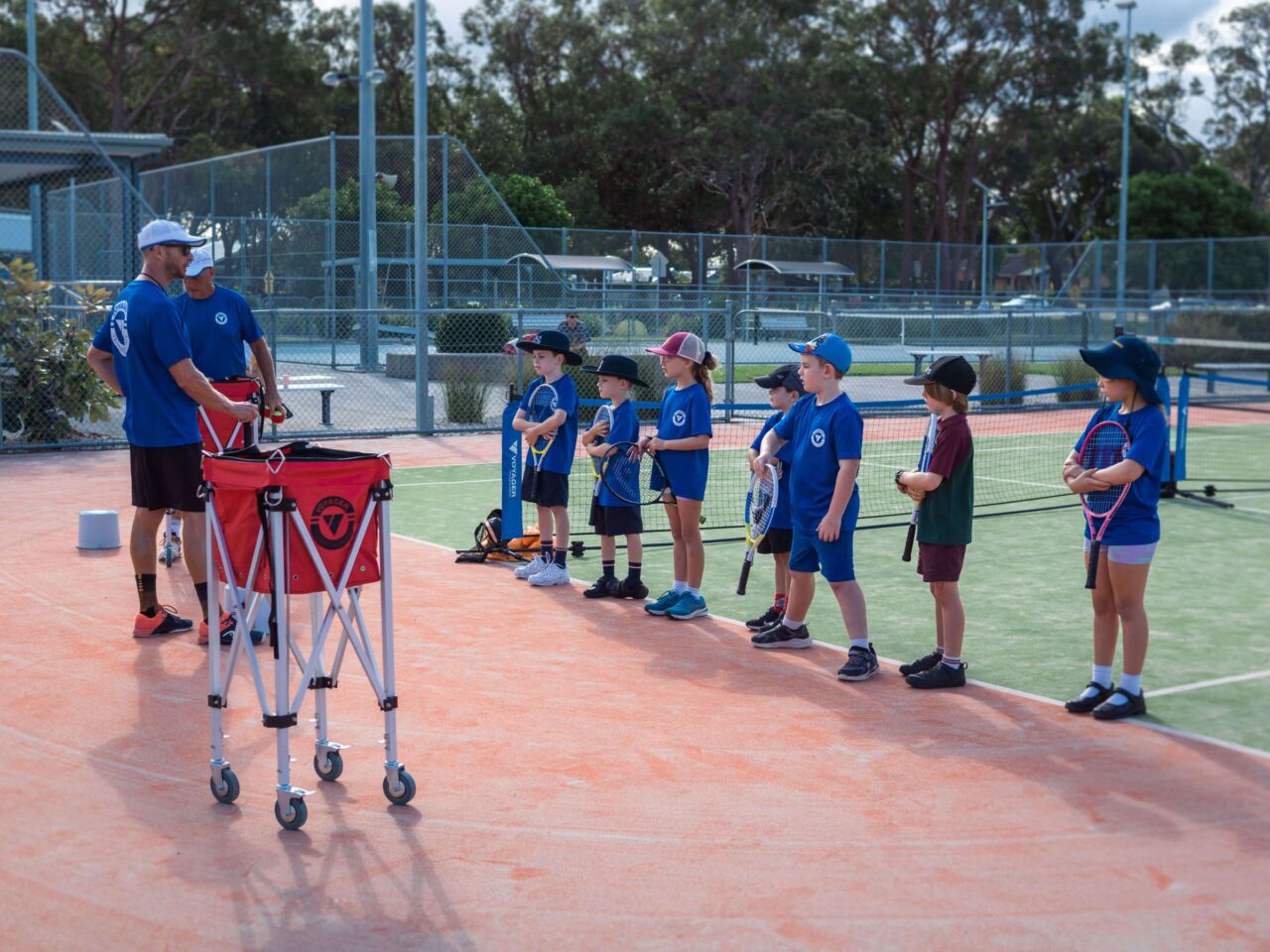
As players become more confident and consistent, squad training can provide a more challenging environment.
Squads bring players together to practise specific skills, work on tactics and experience competitive situations.
Compared with introductory lessons, sessions may involve longer rallies, more complex drills and greater physical demands.
What Changes at Squad Level?
Training begins to place greater emphasis on:
- Shot selection and point construction
- Serve and return development
- Attacking and defensive patterns
- Movement efficiency and recovery
- Mental concentration and resilience
- Applying skills under match pressure
Players also benefit from practising with others who can challenge their consistency and decision-making.
For those interested in competitive tennis, squad training can help bridge the gap between learning techniques and applying them in real matches.
However, squad participation doesn’t necessarily mean a child needs to pursue elite competition. Many players enjoy the challenge and social environment without having professional ambitions.
Stage 4: Matchplay and Tournaments – Learning Through Competition
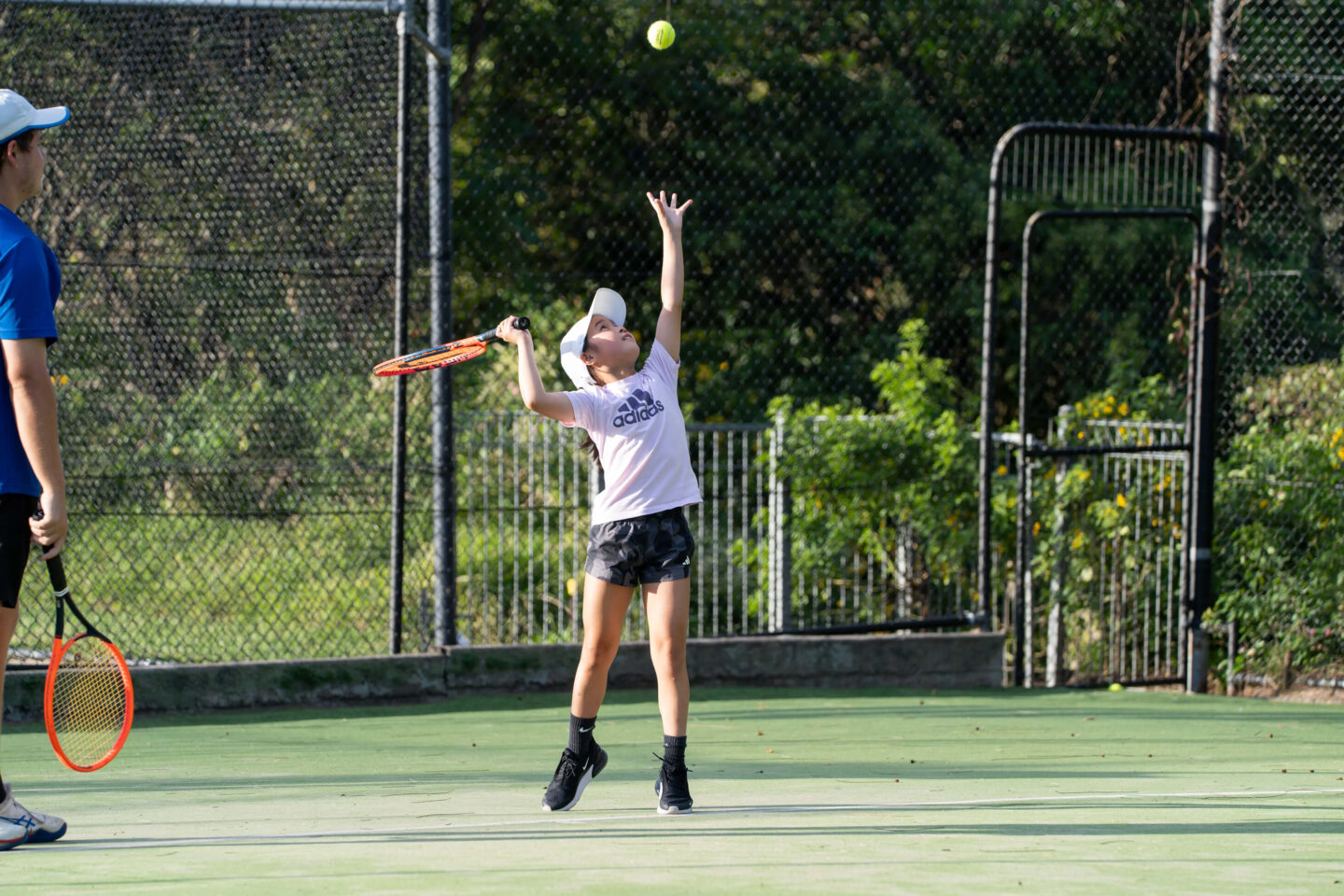
Competition is an important part of the tennis pathway because it gives players opportunities to apply what they practise during coaching.
A player might perform a particular shot confidently during a drill but find it more difficult when the score is close or an opponent changes tactics.
Matchplay helps develop the ability to respond to these situations.
Starting with Matchplay
For developing players, internal competitions, supervised matchplay and club events can provide a useful introduction.
These environments help children become familiar with scoring, serving order, match etiquette and playing independently.
As confidence grows, players may explore junior tournaments and other structured competitive opportunities.
What Competition Teaches
Beyond technical skills, regular matchplay helps players learn to:
- Manage nerves and pressure
- Adjust tactics against different opponents
- Maintain concentration
- Handle wins and losses constructively
- Take responsibility for decisions on court
Parents can support this process by focusing on effort, improvement and enjoyment rather than only match results.
A close loss against a challenging opponent can sometimes offer more useful learning opportunities than an easy victory.
Stage 5: High Performance – Training with Greater Purpose
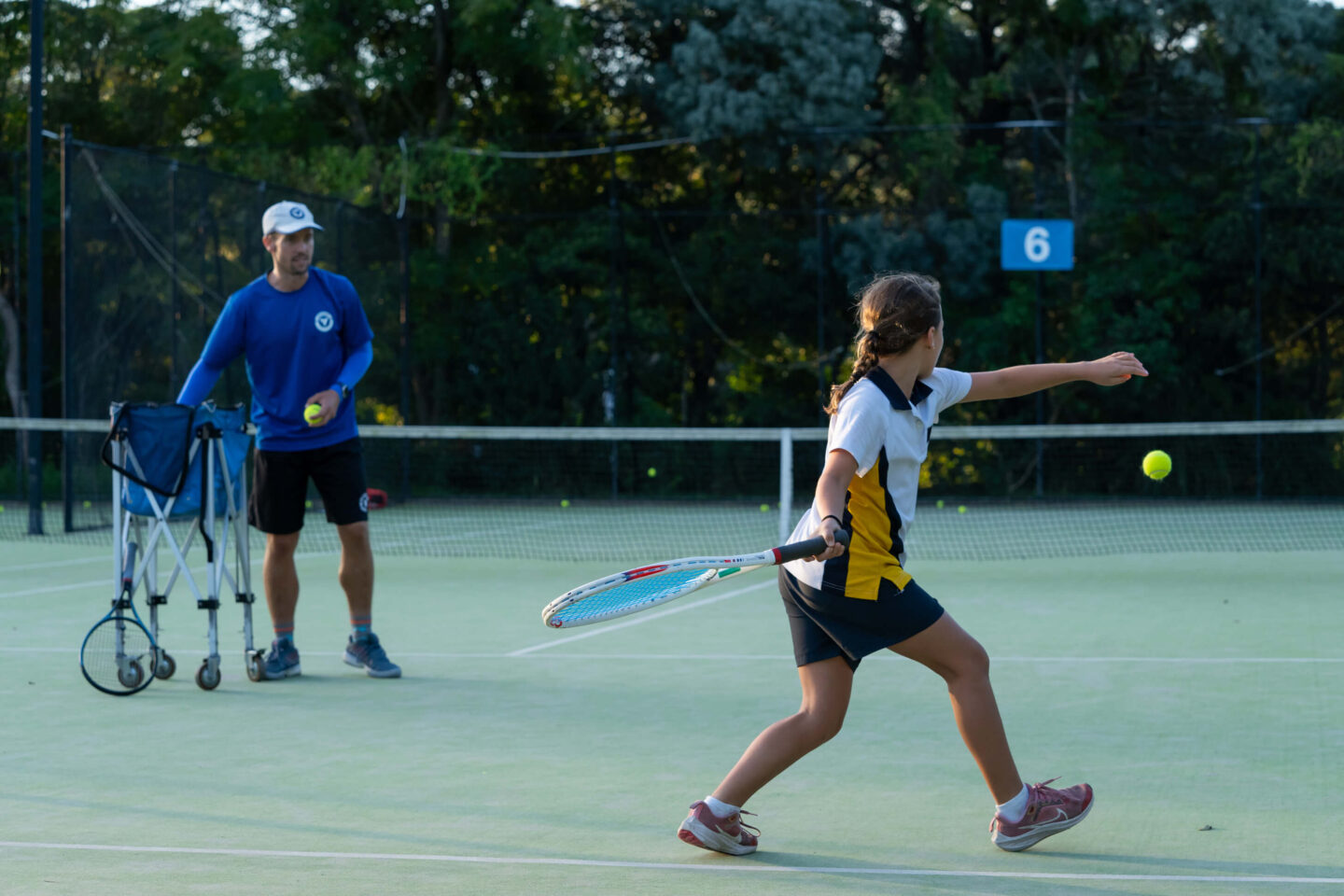
For players who demonstrate strong ability, commitment and a genuine interest in competitive tennis, the pathway may eventually lead towards high-performance coaching.
High-performance tennis involves a more individualised and demanding approach to development.
Training is designed around the player’s competitive goals, strengths, areas for improvement and tournament schedule.
What Does High-Performance Training Involve?
Depending on the player and program, high-performance development may include:
- Advanced technical and tactical coaching
- Individualised training objectives
- Physical conditioning and movement development
- Regular competitive matchplay
- Tournament preparation and performance reviews
- Mental skills and match management
- Recovery and workload planning
At this stage, players are expected to take greater ownership of their development.
They begin learning how to prepare for training, evaluate performances and maintain consistency over time.
Does Every Junior Player Need to Reach High Performance?
No. High-performance coaching is one possible direction within a tennis pathway, not the required destination for every child.
Some players will aim for state, national or international competition. Others may enjoy club tennis, school competitions or recreational play.
The most appropriate pathway is one that matches the player’s interests, motivation and circumstances.
How Parents Can Support Their Child’s Tennis Pathway
Parents play an important role in helping young players develop a positive relationship with tennis.
While coaching provides technical guidance, the environment around the child can influence their confidence, motivation and enjoyment.
Here are a few ways parents can help.
Focus on Progress Rather Than Results
A child’s development isn’t always reflected in their latest match score.
Improved movement, better decision-making and greater confidence are all meaningful signs of progress.
Encourage Regular Practice
Consistent participation generally provides more opportunities for learning than occasional intensive sessions.
This doesn’t mean every spare moment needs to be spent on court. Informal hitting, social tennis and other physical activities can also contribute to development.
Communicate with Their Coach
Coaches can help parents understand what their child is working towards and when a different training environment might be appropriate.
Regular conversations can also help align expectations around coaching frequency, competition and long-term goals.
Keep Tennis Enjoyable
As training becomes more demanding, it’s important that children still enjoy playing.
Maintaining a balance between structured coaching, competition, rest and other interests can help support long-term participation.
How Long Does It Take to Progress Through a Tennis Pathway?
There is no fixed timeline.
Some players develop technical skills quickly but need more time to become confident competitors. Others may progress steadily over several years.
Factors such as age, coaching frequency, practice opportunities, physical development and motivation can all influence progression.
Rather than measuring success by how quickly a child moves into the next group, parents should consider whether the current program continues to challenge and support them.
The right coaching environment should help players build skills without rushing important stages of development.
Finding the Right Tennis Pathway at Voyager Tennis
A tennis pathway works best when players have access to coaching and playing opportunities that suit their current level while providing room to progress.
At Voyager Tennis, players can explore coaching opportunities ranging from introductory junior programs to more advanced training.
Families can learn more about Voyager’s coaching programs and explore coaching options for developing players.
For players with more competitive ambitions, the next step is to speak with a coach about their current level, training needs and suitable development opportunities.
The aim isn’t to move every player towards high performance. It’s to help each individual find a level of tennis that keeps them learning, challenged and motivated.
Every Stage of the Tennis Journey Matters
From a child’s first Hot Shots rally to their first tournament and beyond, each stage of the tennis pathway offers something valuable.
Beginners develop coordination and confidence. Junior players build technique and tactical awareness. Competitive players learn to manage pressure and make decisions independently.
For those who pursue high-performance tennis, these foundations become increasingly important as training and competition demands grow.
But whatever direction a player chooses, the most important outcome is developing the skills, confidence and enjoyment to keep playing.
Ready to explore the next stage of your child’s tennis journey?
Discover Voyager Tennis coaching programs and speak with the team about finding a suitable pathway for your child.
Share This
Related Posts