

How Tennis Improves Focus at School
Key Takeaways
- Tennis encourages children to concentrate on one task at a time while responding to a constantly changing game.
- Following instructions, tracking the ball and making quick decisions help develop attention and listening skills.
- Regular physical activity can support children’s overall wellbeing and readiness to learn.
- Tennis teaches patience, discipline and the importance of staying focused after mistakes.
- The habits children practise on court; listening, problem-solving and persistence, can also be valuable in the classroom.
Keeping children focused can sometimes be challenging, particularly when their days are filled with schoolwork, activities and digital distractions. Concentration isn’t simply about asking a child to pay attention for longer; it’s a skill that develops when they regularly practise listening, responding, solving problems and staying engaged with the task in front of them.
Tennis creates plenty of opportunities to practise these behaviours in an enjoyable setting. During a lesson, children need to listen to their coach, watch the ball, anticipate where it might travel and decide how to respond, all within a matter of seconds. While the primary goal is learning and enjoying tennis, the concentration required on court can reinforce habits that are also useful when children return to the classroom.
Tennis Gives Children a Reason to Pay Attention
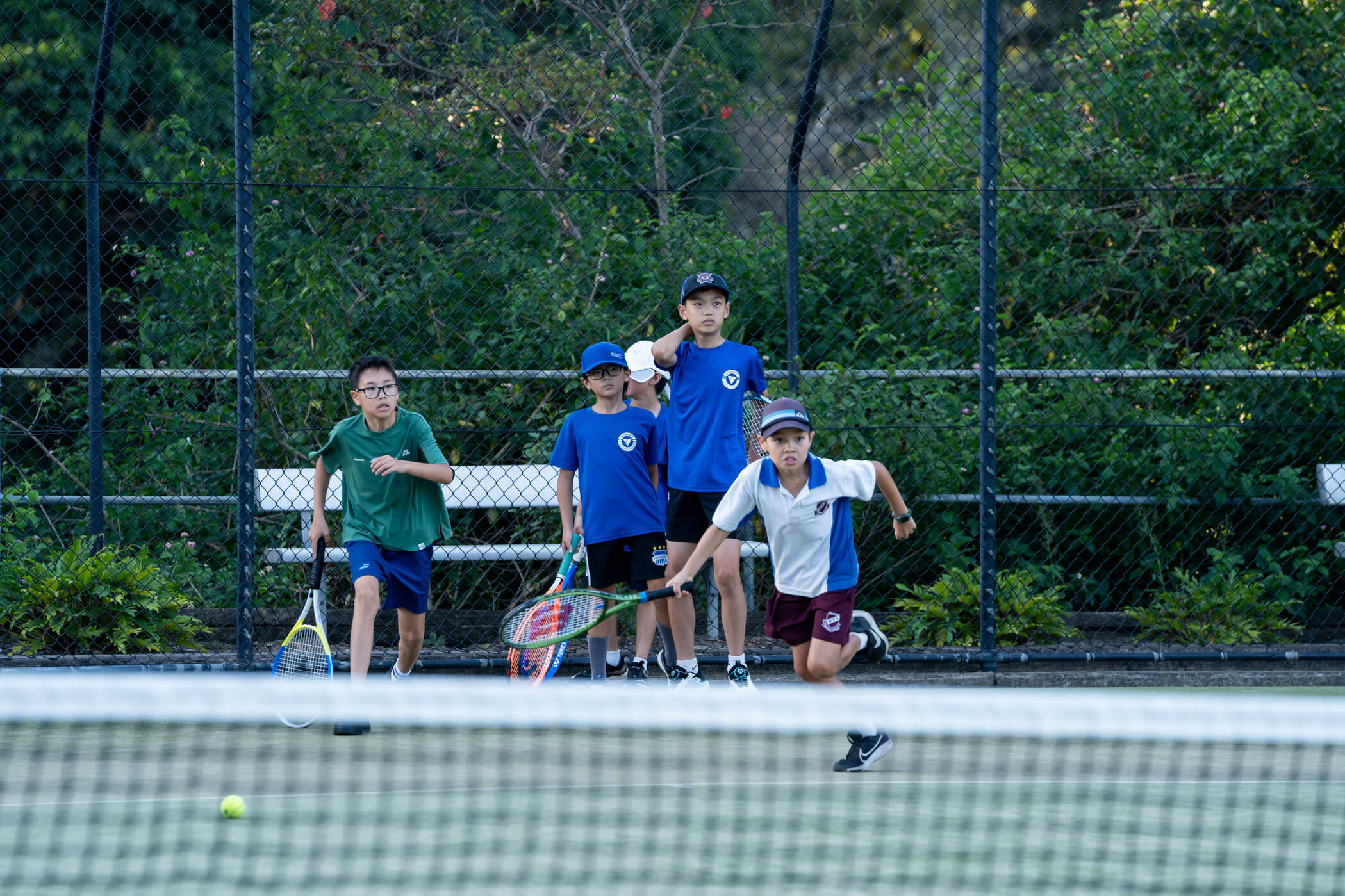
A tennis ball doesn’t wait for a player to become ready. From the moment a rally begins, children need to watch its direction, judge its speed, move into position and prepare their racquet. If their attention drifts, even briefly, the point can quickly change.
This immediate feedback makes concentration feel less like an instruction and more like part of the game. Children gradually become accustomed to staying engaged for longer periods because there’s always something happening in front of them. During a typical coaching session, they practise several important attention skills, including:
- Listening carefully to instructions and demonstrations.
- Tracking a moving ball with their eyes.
- Responding quickly to changing situations.
- Remembering techniques and applying them during play.
- Staying engaged throughout drills and rallies.
Instead of sitting still and being told to concentrate, children learn to focus through movement and play.
Every Rally Is a Problem to Solve
Tennis also challenges children to think while they’re moving. No two balls arrive in exactly the same way, so players constantly make small decisions about where to stand, how quickly to move and which shot to play.
As children progress, those decisions become more complex. They begin noticing where their opponent is positioned, recognising open areas of the court and deciding whether to play safely or attempt a more attacking shot. This combination of concentration and problem-solving keeps the mind actively involved throughout a lesson.
The same process has parallels with learning at school. A difficult maths problem or unfamiliar reading task also requires children to process information, choose an approach and adjust when the first solution doesn’t work. Tennis gives them another environment in which to practise that kind of flexible thinking.
Physical Activity Can Be a Useful Reset
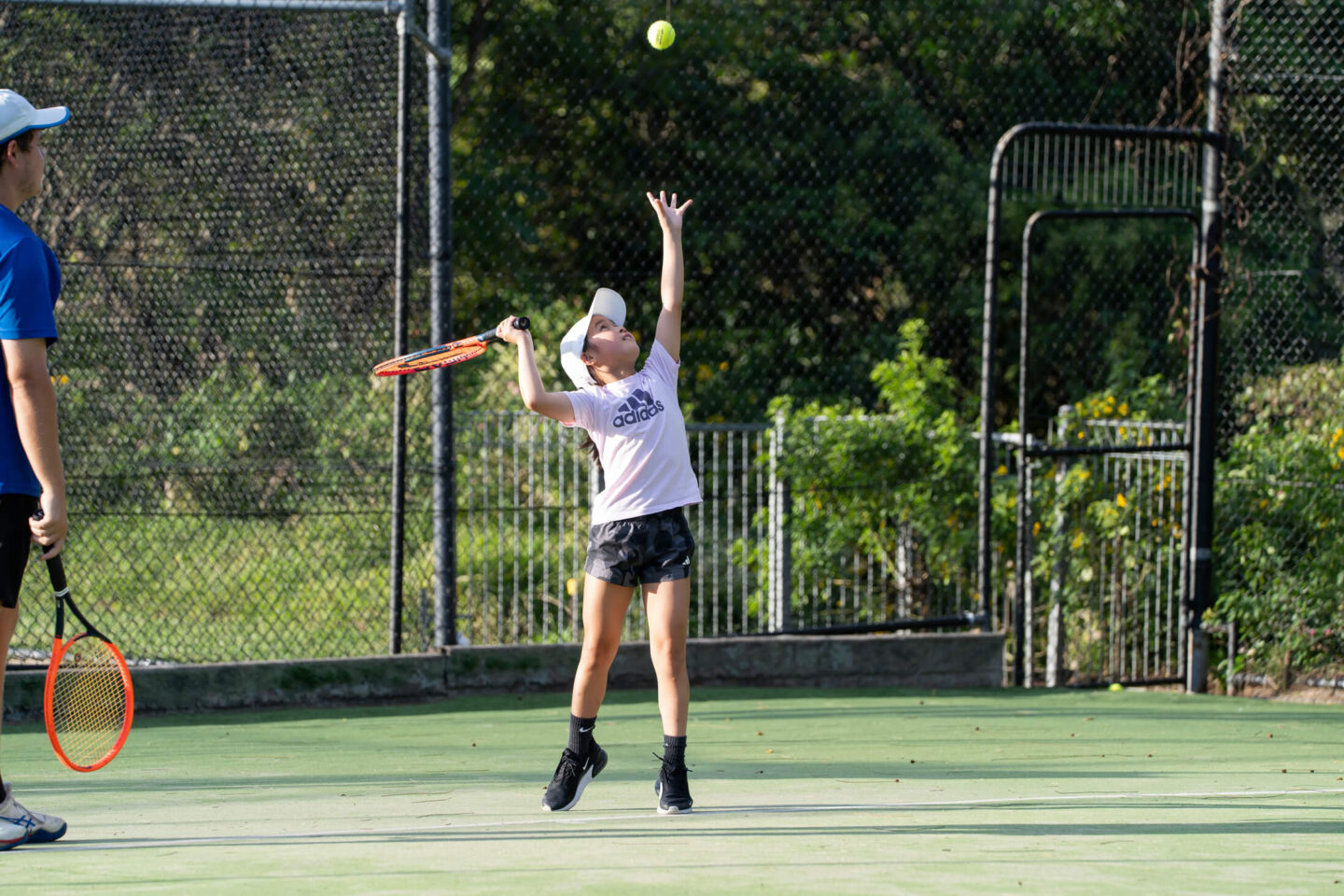
After spending hours in the classroom, many children are ready to move. An afternoon tennis session provides a change from sitting at a desk or looking at a screen, giving them an opportunity to run, rally and release some of their energy.
For families, this can make tennis a useful part of the weekly routine. Rather than moving directly from schoolwork to more sedentary activities, children have dedicated time to be physically active and engage with something completely different.
A Junior Coaching Program can provide this combination of structured learning and physical activity. Children are still listening, thinking and developing skills, but they’re doing it through games, rallies and movement rather than another classroom-style activity.
Learning to Refocus After a Mistake
Focus isn’t only about maintaining concentration when everything is going well. An equally important skill is being able to regain attention after something goes wrong.
Tennis provides plenty of practice.
A child might miss an easy ball, lose several points in a row or struggle with a technique they’ve previously performed well. They can’t go back and replay what happened, so they need to reset and prepare for the next ball.
Over time, children can learn to:
- Acknowledge a mistake without dwelling on it.
- Listen to feedback and make an adjustment.
- Return their attention to the next task.
- Stay patient when improvement takes time.
That ability to refocus can be valuable at school too. Getting one question wrong doesn’t need to derail an entire lesson, just as losing one point doesn’t determine an entire tennis match.
Listening Becomes Part of Playing
Young players quickly discover that listening makes tennis easier. A coach might explain a change in grip, demonstrate a movement pattern or give instructions for the next game. Children need to absorb that information and then turn it into action.
This creates a practical reason to listen carefully. Instead of remembering information simply because they’ve been asked to, players can immediately see how following instructions affects what happens on court.
As lessons progress, children also become more independent. They start remembering routines, recognising patterns and making decisions without needing constant direction. That combination of listening and independent thinking can support positive learning habits in other settings.
Focus Develops Alongside Confidence
Children often find it easier to concentrate when they feel comfortable with what they’re doing. Early tennis lessons may involve a lot of information at once, but familiar routines gradually make the game easier to understand. As technique and movement improve, children can direct more attention towards tactics, decision-making and longer rallies.
Those small improvements also build confidence. Successfully completing a rally, learning a serve or mastering a challenging drill gives children evidence that paying attention and practising consistently can lead to progress. Rather than expecting everything to happen immediately, they learn to stay with a task and give themselves time to improve.
From the Tennis Court Back to the Classroom
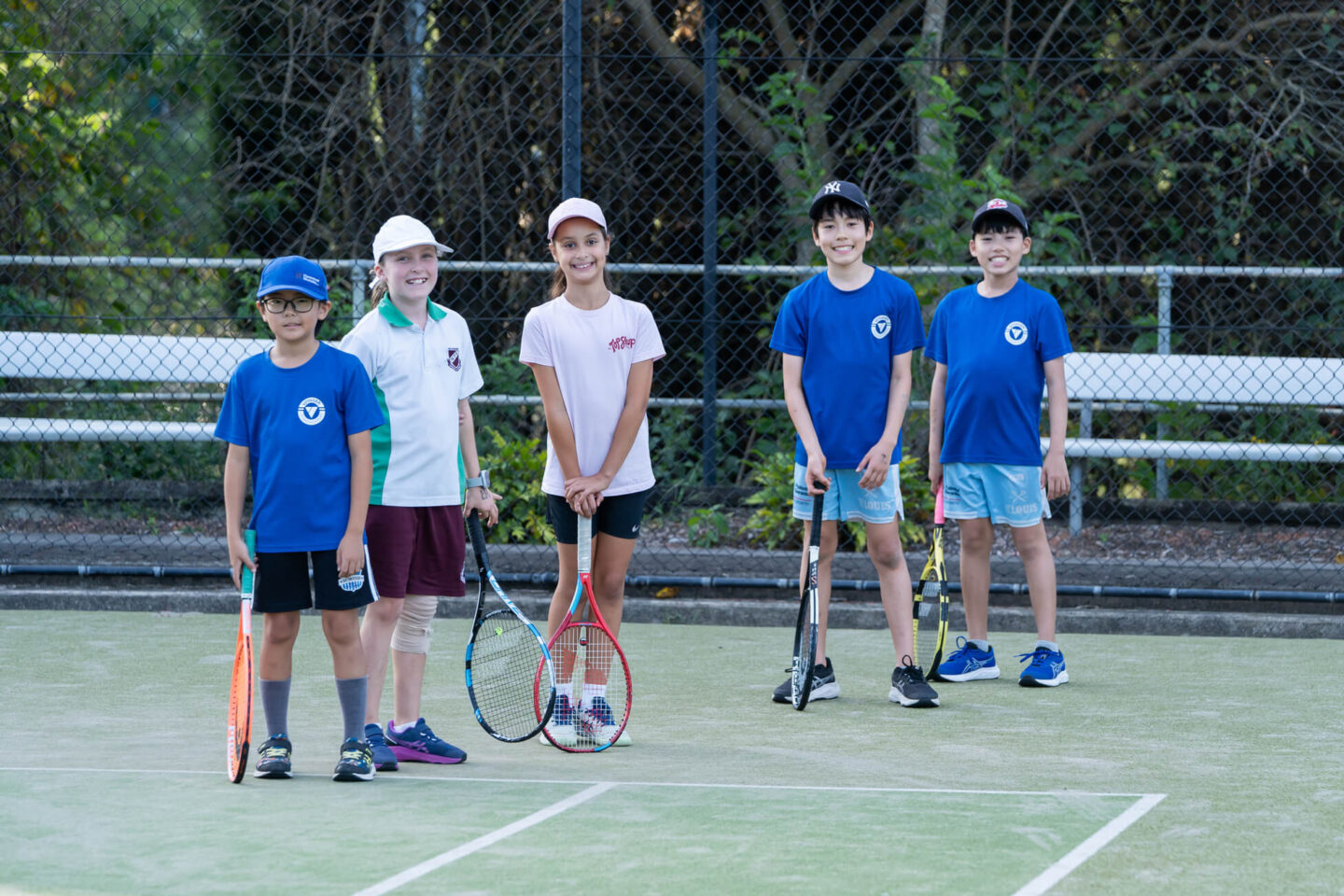
Tennis shouldn’t be presented as a shortcut to better grades, and every child responds differently to sport. Its value lies in giving children another setting where concentration, patience and problem-solving are regularly practised.
Week after week, players are asked to listen, remember, react, make decisions and recover when something goes wrong. Those behaviours aren’t exclusive to sport. They’re also useful when completing homework, participating in classroom discussions or working through a challenging assignment.
The connection is less about tennis directly improving academic results and more about helping children practise positive habits that support learning.
Building Better Habits Through Tennis
Children don’t need to become competitive players to experience the wider benefits of the sport. Simply spending regular time on court gives them opportunities to move, concentrate, interact with others and work towards achievable goals.
At Voyager Tennis, junior lessons combine skill development with games and age-appropriate challenges that keep children actively involved in their learning. Rather than asking young players to concentrate for the sake of concentrating, coaches give them something interesting to focus on like a rally to complete, a new skill to master or a challenge to solve.
For families interested in seeing whether that environment suits their child, a free tennis trial provides an opportunity to get on court, meet the coaches and experience a session firsthand. Sometimes, helping children improve their focus begins by finding an activity engaging enough to hold it.
Share This
Related Posts