
Mental Health Month: Move, Connect & Play
October is Mental Health Month, a good time to check in with ourselves and the people around us.
Mental wellbeing isn’t something that only deserves attention when life becomes difficult. The everyday things matter too: getting enough rest, spending time with people we enjoy, being active, stepping away from screens and making room for things that are simply fun.
Those things can look different for everyone.
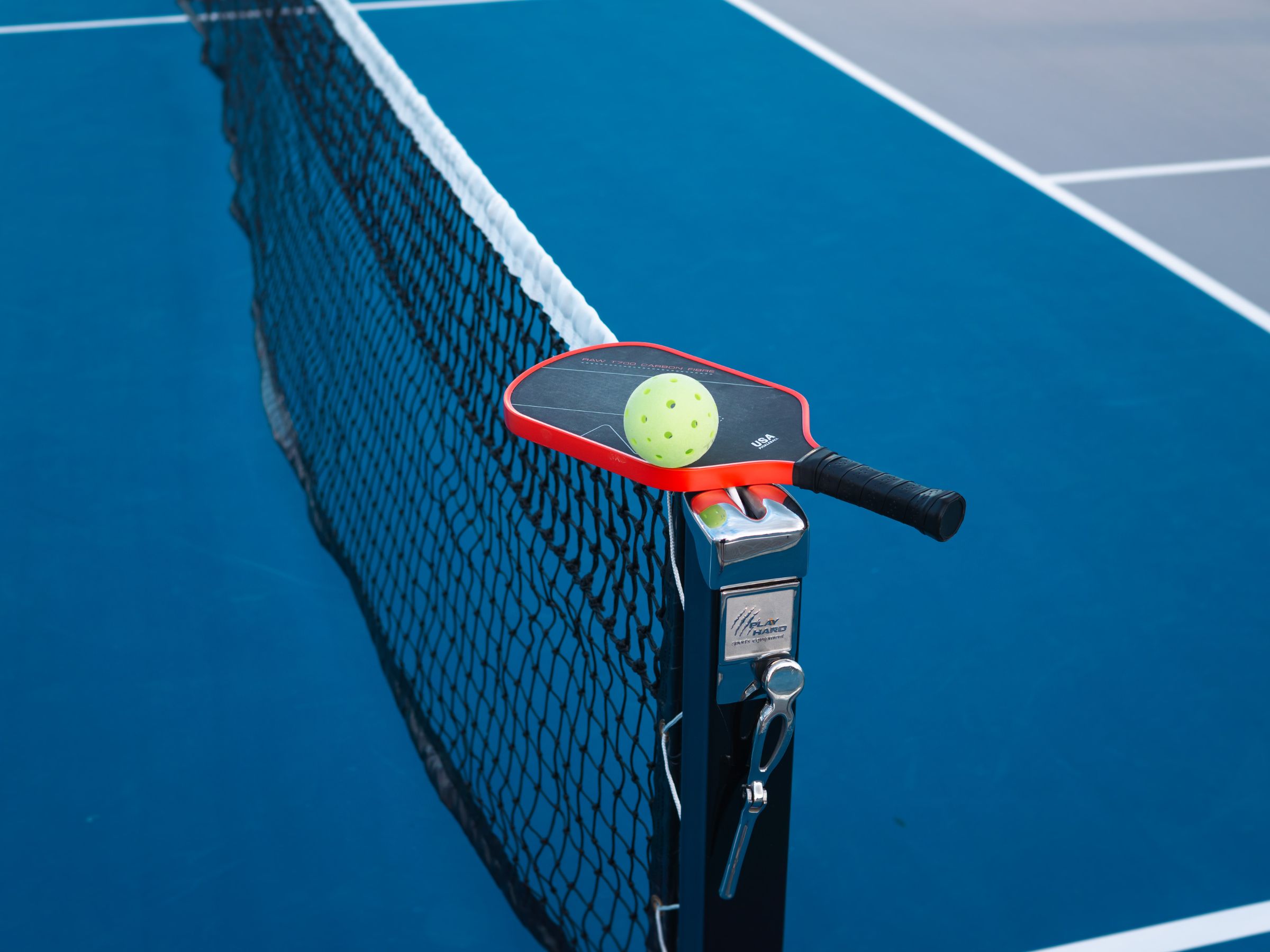
A child might enjoy running around outside with friends after school. An adult might look forward to a weekly game with their regular group. For someone else, it could be a morning walk, a swim, a bike ride or an hour spent playing tennis, pickleball or padel.
There isn’t one right way to look after wellbeing. This Mental Health Month, the invitation is much simpler: find something you enjoy, make time for it and keep moving.
Movement Is for Everyone
Physical activity is often discussed in terms of fitness, but there are plenty of reasons to move that have nothing to do with counting kilometres or tracking workouts.
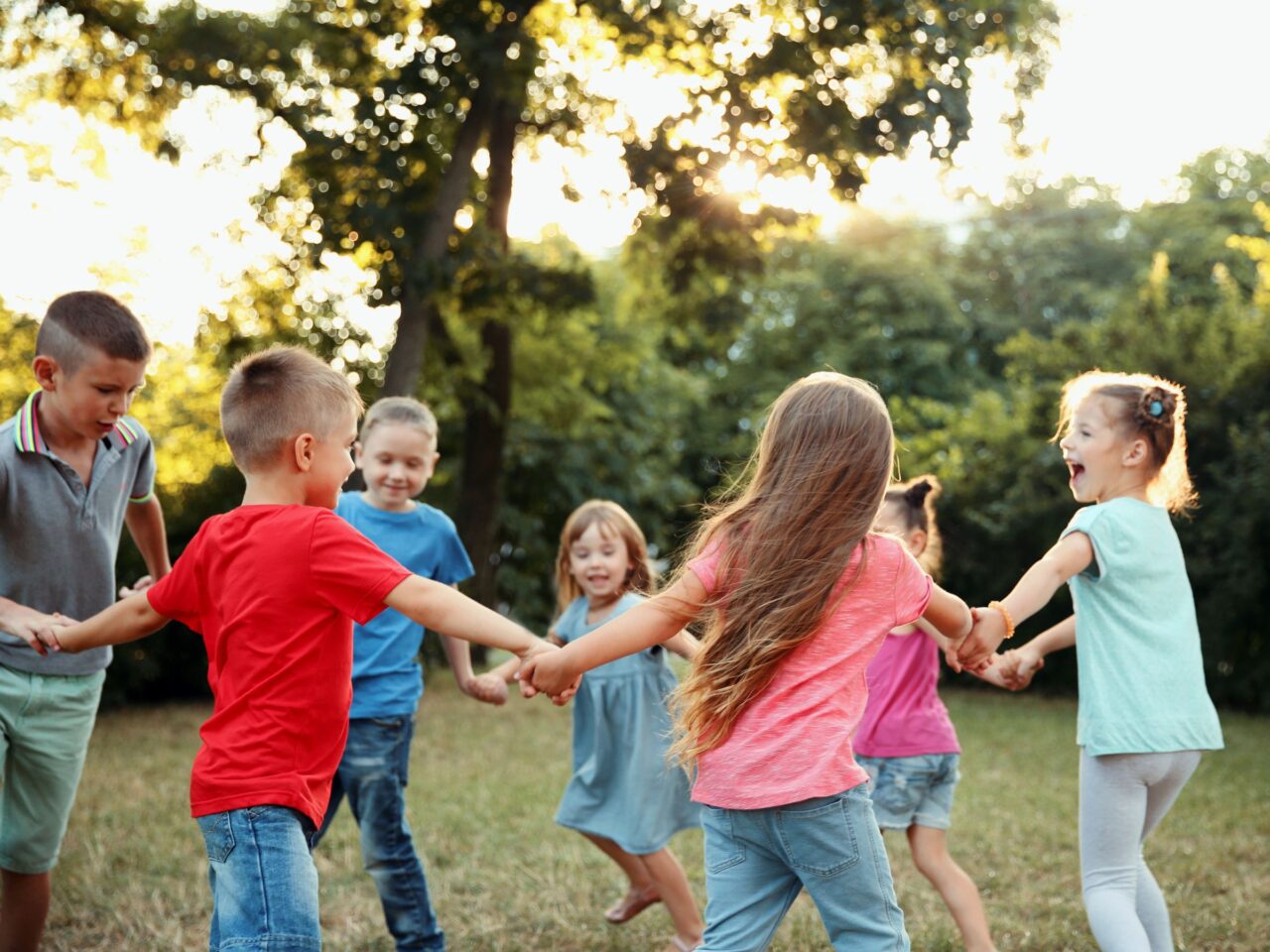
For children, movement is a natural part of play. They run, jump, chase, throw, hit and explore. Sport can provide another outlet for that energy while introducing new skills and experiences.
Adults may have to be more deliberate about finding time to move. Work, commuting, family commitments and long hours in front of screens can easily take over the week.
The good news is that being active doesn’t have to mean following a strict training program.
Walking the dog counts. So does riding a bike with the kids, going for a swim, playing a social match or picking up a racquet after work. The Australian Government recommends regular physical activity for people across different stages of life because of its benefits for physical and mental health.
The best activity is often the one someone actually enjoys enough to keep doing.
Give Kids Room to Play
Children’s schedules can become surprisingly busy.
School takes up much of the day, followed by homework, activities and time spent on devices. Even weekends can become carefully organised from morning until evening.
That makes unpressured play valuable.
Sport can give children somewhere to run around, learn new skills and spend time with other kids. It also gives them problems to solve in the moment. They might be working out where a ball is going, how to return a shot or what to try differently next time.
And they won’t always get it right.
Balls go out. Shots are missed. Games are lost. Someone who picks up a racquet for the first time probably won’t immediately know what to do with it.
That’s part of learning.
A positive sporting environment gives children space to make those mistakes, laugh at some of them, try again and gradually work things out.
Adults Need Play Too
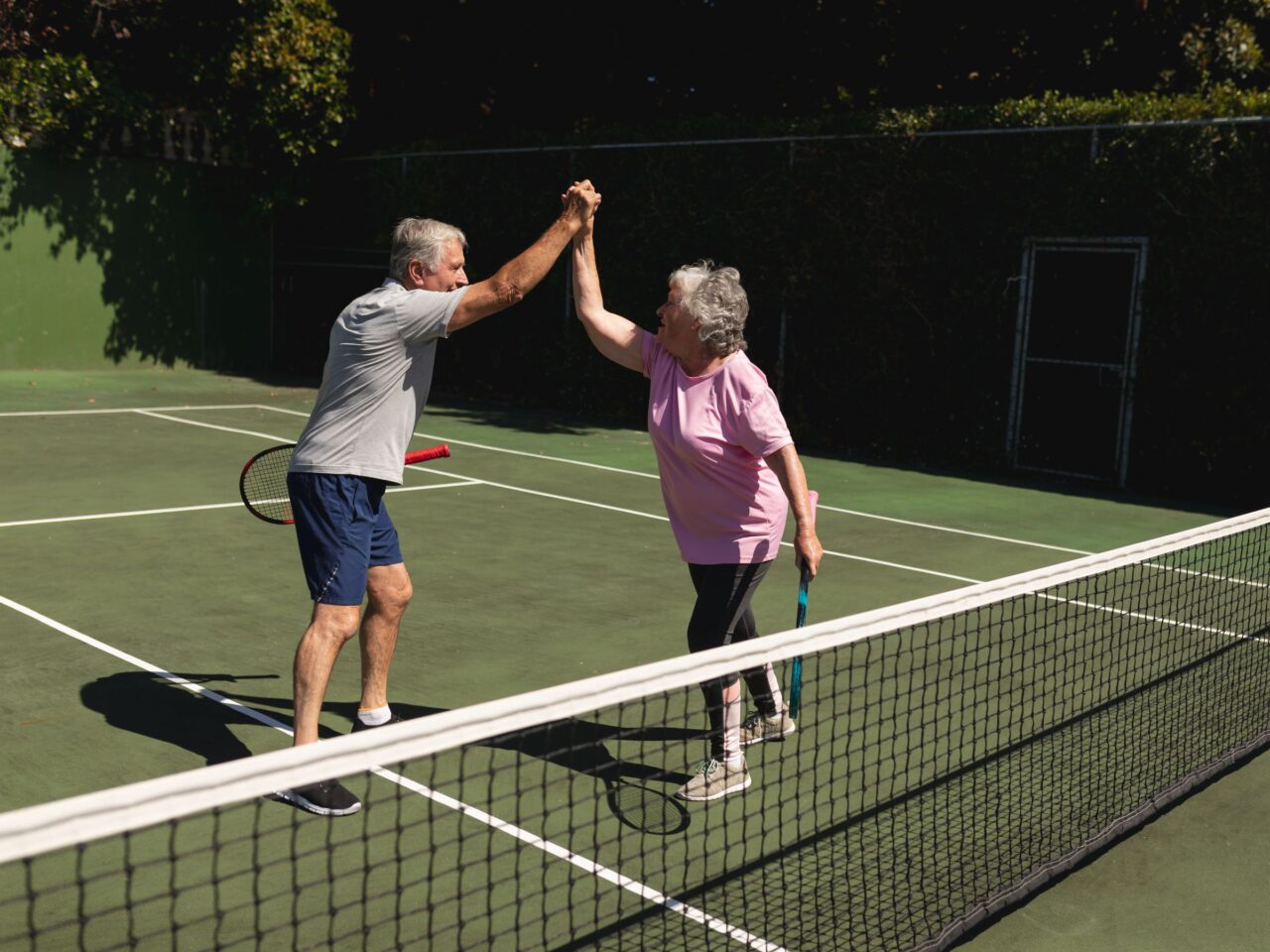
Somewhere between childhood and adulthood, the idea of playing for no particular reason can disappear.
Exercise becomes something people feel they should do. Sport becomes another item to squeeze into an already crowded calendar.
But adults are allowed to play too.
A casual game doesn’t need to be preparation for a competition. A lesson doesn’t need to lead towards a particular ranking. A weekend hit doesn’t need to produce measurable improvement.
Sometimes an hour spent chasing a ball around with friends is worthwhile simply because it was enjoyable.
That might mean returning to a sport someone played years ago or trying something completely unfamiliar. Pickleball and padel, for example, can introduce a different type of racquet sport experience, while tennis remains familiar territory for many people.
The activity itself matters less than finding something that makes it easier to put the phone away, leave the desk and move.
Social Connection Can Start With a Game
Sport also gives people a reason to spend time together.
For kids, that might mean seeing the same group at training each week or meeting other children through school holiday activities. They don’t have to become close friends immediately. Simply being around other kids and sharing an activity can help make sport enjoyable.
Adults can find the same social element.
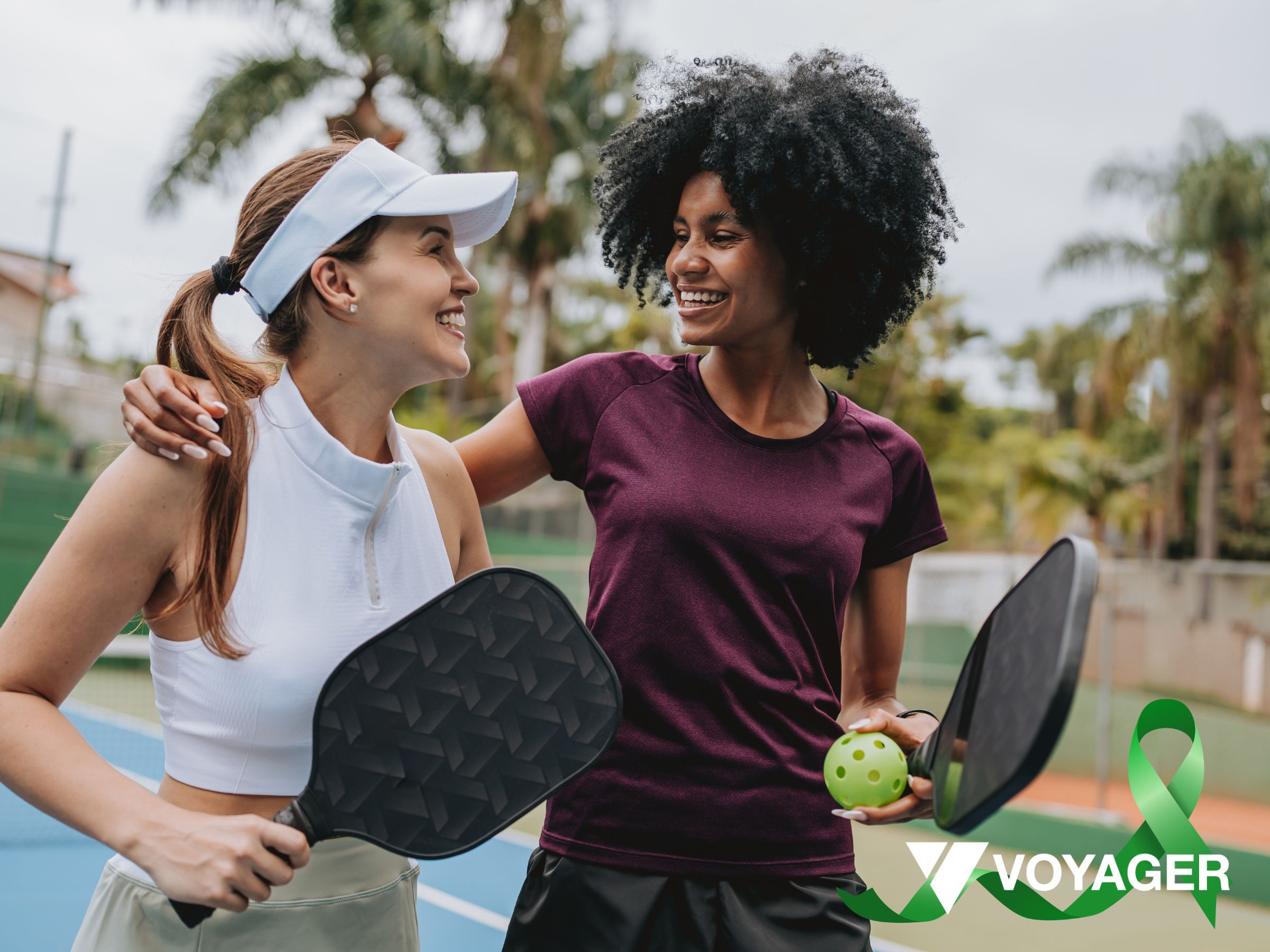
There are doubles partners, coaching groups, familiar opponents and the people who somehow end up talking for another 20 minutes after the game has finished.
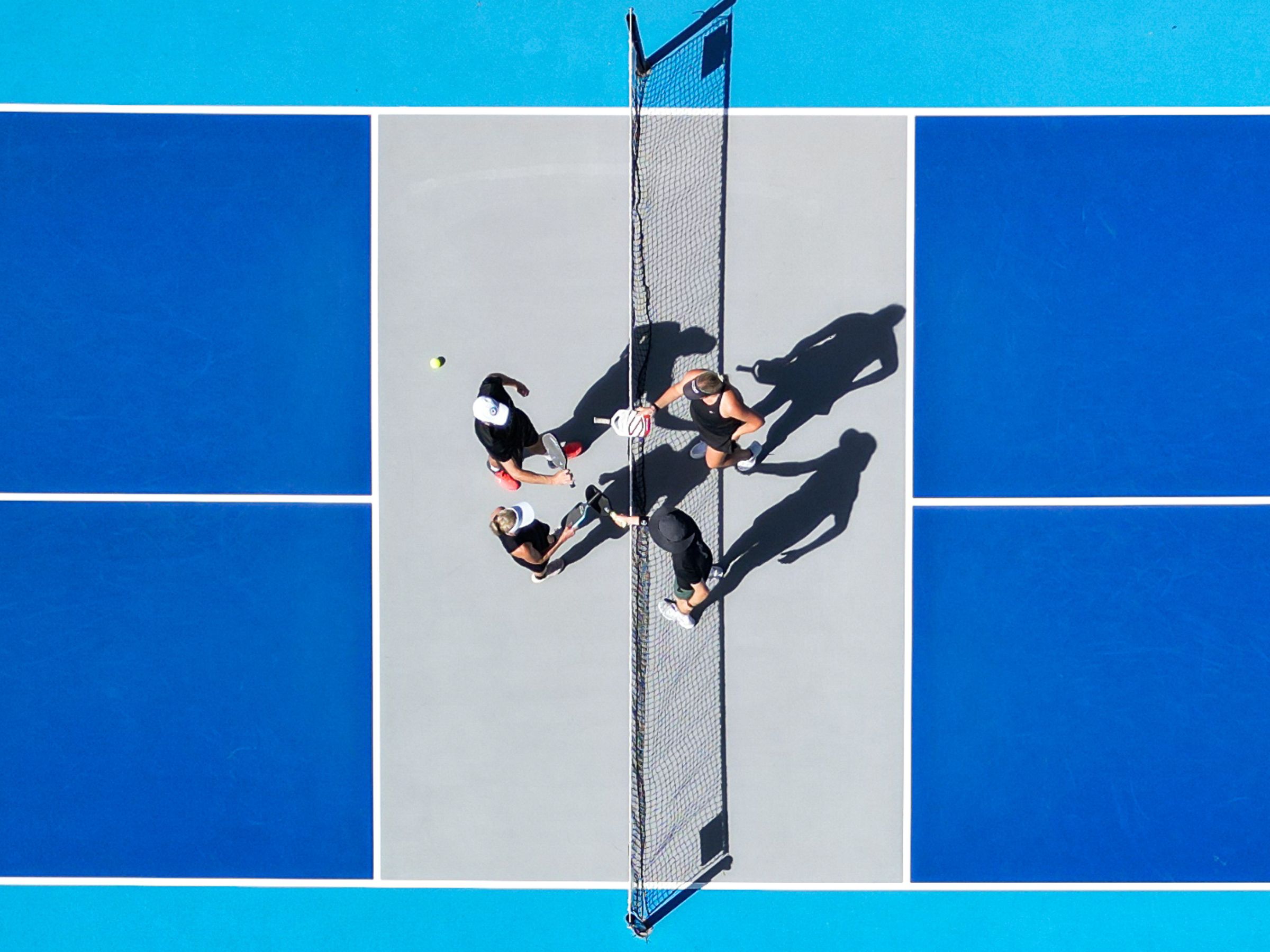
Racquet sports lend themselves particularly well to this. Tennis, pickleball and padel can all be played with other people, and doubles formats bring players onto court together.
For families, being active can also become shared time. Parents and children can go for a bike ride, kick a ball around, swim together or pick up racquets and see how long they can keep a rally going.
It doesn’t need to be complicated.
Small Wins Can Build Confidence
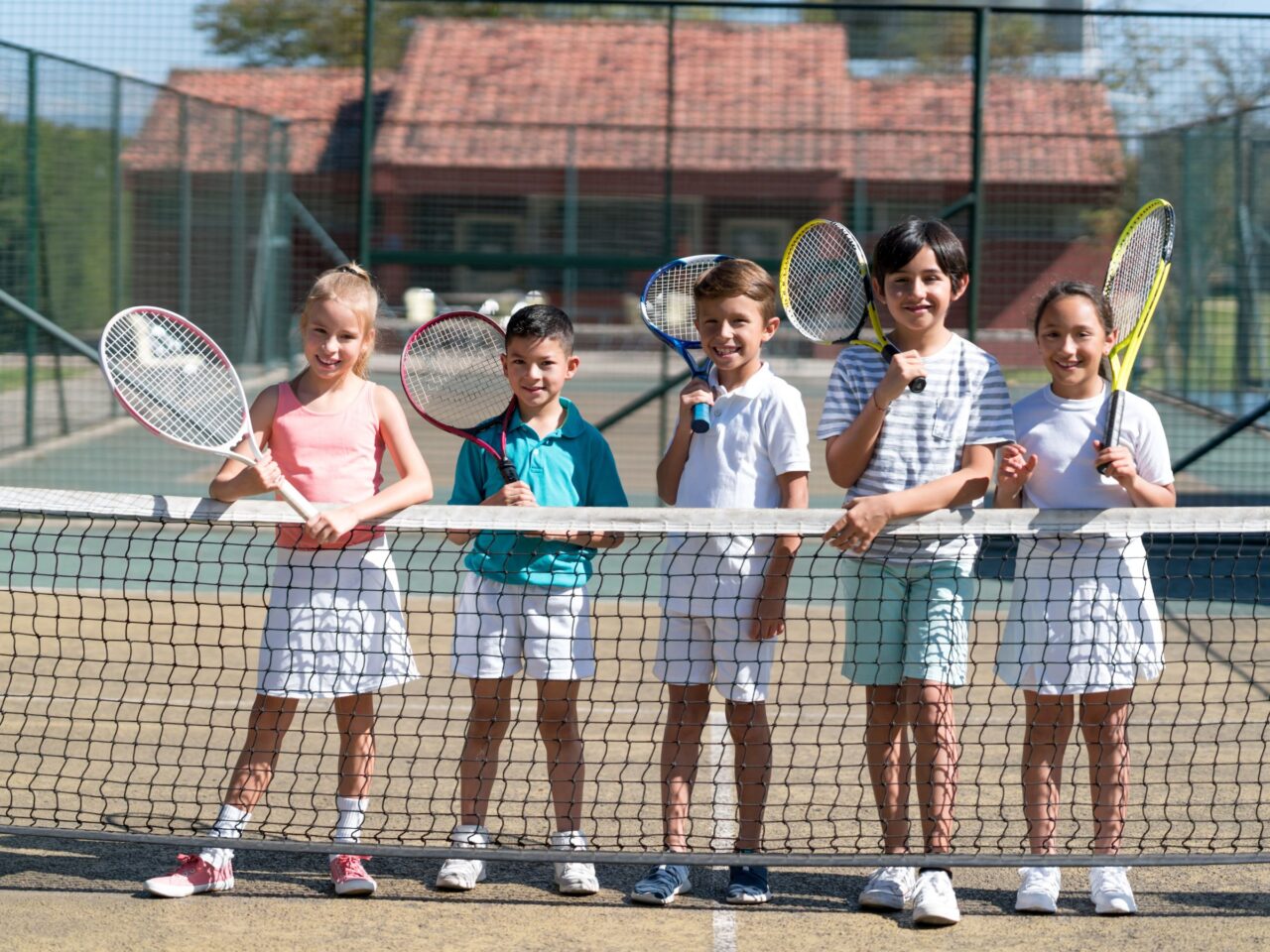
Progress doesn’t always arrive dramatically.
Often, it appears in moments that nobody else would notice.
A child finally makes contact with a ball they’ve been struggling to hit. Someone learns a new skill. A beginner manages their first proper rally. An adult returns to sport after years away and realises they can still play.
Small achievements give people a reason to recognise their own progress.
Sport provides plenty of these moments because learning is visible. Something that felt difficult last month can gradually become familiar.
That doesn’t mean every session needs to be about improvement. There will be good days and frustrating ones, and sometimes people simply won’t play particularly well.
The score doesn’t have to decide whether the experience was worthwhile.
Step Away From the Screen for a While
Screens are part of modern life for kids and adults alike.
They’re used for school, work, entertainment, communication and almost everything in between. The aim isn’t to pretend we can remove them completely.
But it can feel good to have a reason to put them down.
Outdoor activities and sport create natural breaks from the digital parts of the day. Once a game begins, attention shifts to what’s happening in front of you.
There’s a ball to follow. Someone is waiting for the next shot. The point has started.
For children, that can mean an afternoon spent moving instead of scrolling or gaming. For adults, it might be an hour when emails and notifications can wait.
Then everyone can return to their screens afterwards if they want to.
Don’t Turn Wellbeing Into Another Competition
Mental Health Month shouldn’t become another reason to feel that we’re falling behind.
Nobody needs a perfect morning routine, a particular number of workouts each week or a carefully optimised wellbeing schedule.
Sport doesn’t need to become another source of pressure either.
This matters particularly for children. Some young players love competition and enjoy testing themselves. Others are happier learning new skills, playing socially or simply being part of a group.
Adults aren’t so different.
One person may enjoy tournaments and competitive matches, while another wants nothing more than a relaxed weekly game with friends.
There’s room for both.
Keeping activity enjoyable can make it easier for people to return to it week after week.
Find What Gets You Moving This October
Mental Health Month can be a reminder that looking after ourselves happens in ordinary moments.
Get outside when you can. Spend time with people who make you feel good. Move your body in ways you enjoy. Let the kids play without worrying about whether they’re the best on the court or field. Give yourself permission to do the same.
That could mean walking, swimming, cycling, running, tennis, pickleball, padel or something completely different.
What matters is finding something that fits into your life and gives you a reason to look forward to being active.
Physical activity and recreation aren’t treatments for mental health conditions, and they don’t replace professional care when someone needs support. They can, however, be positive parts of everyday life alongside rest, relationships and other healthy routines.
At Voyager, we’re fortunate to see kids, adults and families come together through racquet sports every day. Some are there to compete. Some want to learn. Others simply enjoy playing.
Whatever gets you moving, make a little time for it this Mental Health Month.
Move. Connect. Play. Enjoy it.
Share This
Related Posts