

How to Tell If Your Child Is Enjoying Their Tennis Lessons
Key Takeaways
- Children who enjoy tennis lessons often look forward to attending, share their experiences and choose to practise outside scheduled sessions.
- Enjoyment is not measured by winning matches or how quickly a child develops tennis skills.
- Friendships, a supportive coach and age-appropriate activities contribute to a positive junior tennis experience.
- Persistent reluctance, boredom or anxiety before lessons may indicate that a child needs a different coaching approach or environment.
- Parents can encourage long-term participation by recognising effort, listening to their child and allowing them to develop at their own pace.
A child who enjoys tennis lessons is generally willing to participate, interested in learning and comfortable in their coaching environment. However, enjoyment looks different for every child. Some express their excitement openly, while others show their interest through quiet concentration and consistent participation.
The Australian Sports Commission identifies enjoyment, friendships, inclusion and opportunities to develop skills as important contributors to children’s continued participation in sport.
For parents, understanding what makes tennis enjoyable can be just as important as monitoring their child’s technical progress.
Here are seven signs to look for during and between tennis lessons.
1. Do They Look Forward to Their Next Tennis Lesson?
Looking forward to tennis lessons is a strong indication that a child associates the sport with positive experiences.
Your child might remind you when their next lesson is, prepare their tennis racquet without being asked or talk excitedly about returning to the court.
Pay attention to how they behave before and after coaching sessions. A child who occasionally complains about getting ready but consistently enjoys themselves once on court may still have a healthy interest in tennis.
Tiredness, school commitments and other activities can affect enthusiasm. Look for consistent patterns throughout the school term rather than judging enjoyment based on one lesson.
2. Do They Talk About What Happened on Court?
Children who enjoy tennis lessons may share their experiences through stories about new skills, coaching activities, practice games or friendships.
What they choose to talk about can reveal what they value most.
A parent might notice an improvement in their child’s forehand, but the child may be more excited about completing a team challenge or rallying with a friend for the first time.
Instead of asking how well they played, try asking, ‘What was the best part of tennis today?’
This gives children the freedom to talk about their experience without feeling that they need to report a sporting achievement.
3. Do They Want to Practise Tennis Outside Their Lessons?
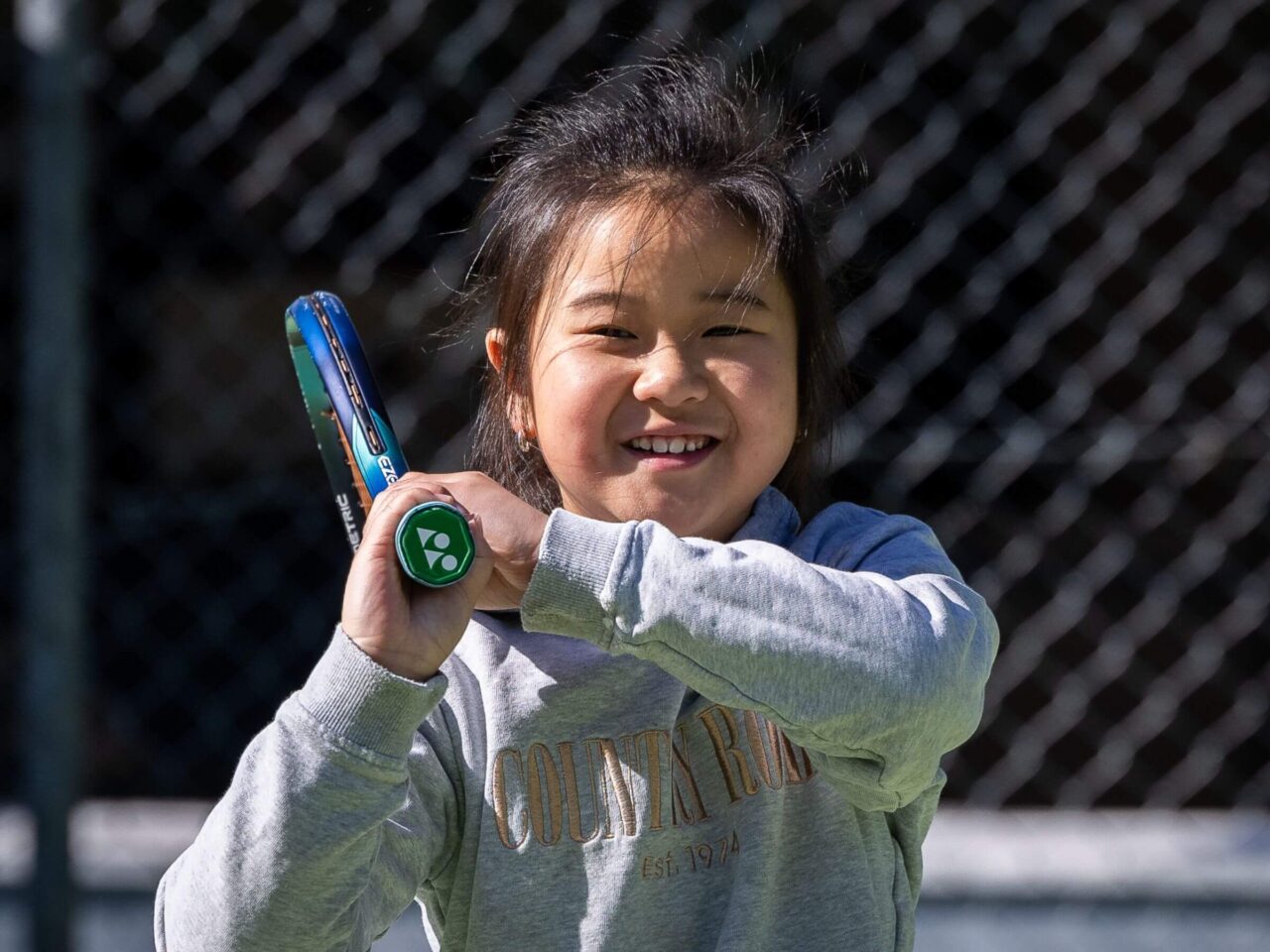
Voluntary tennis practice is another sign that a child is developing an interest in the game beyond their scheduled coaching sessions.
Children might bounce a tennis ball on their racquet, practise against a wall or ask a family member to play with them.
When your child initiates these activities, encourage their curiosity without turning play into another formal lesson.
For example, a simple backyard challenge to see how many times they can bounce a ball on their racquet can be an enjoyable way to practise coordination.
Children who rarely practise at home can still enjoy their tennis lessons. Independent practice is one possible indicator of enjoyment, not a requirement.
4. Do They Keep Trying After Making Mistakes?
A willingness to try again after missing a shot can indicate that a child feels comfortable with the process of learning tennis.
Junior tennis players regularly encounter challenges, from timing a backhand to learning how to serve. Enjoyment doesn’t mean they never experience frustration. It means frustration doesn’t consistently prevent them from wanting to participate.
Watch how your child responds when an activity becomes difficult. Do they attempt another shot, listen to their coach or ask for help?
Recognising persistence can be more valuable than praising the outcome alone.
A simple comment such as ‘You kept trying even when that shot was difficult’ acknowledges their effort without introducing additional pressure.
5. Do They Feel Comfortable With Their Tennis Coach and Other Players?
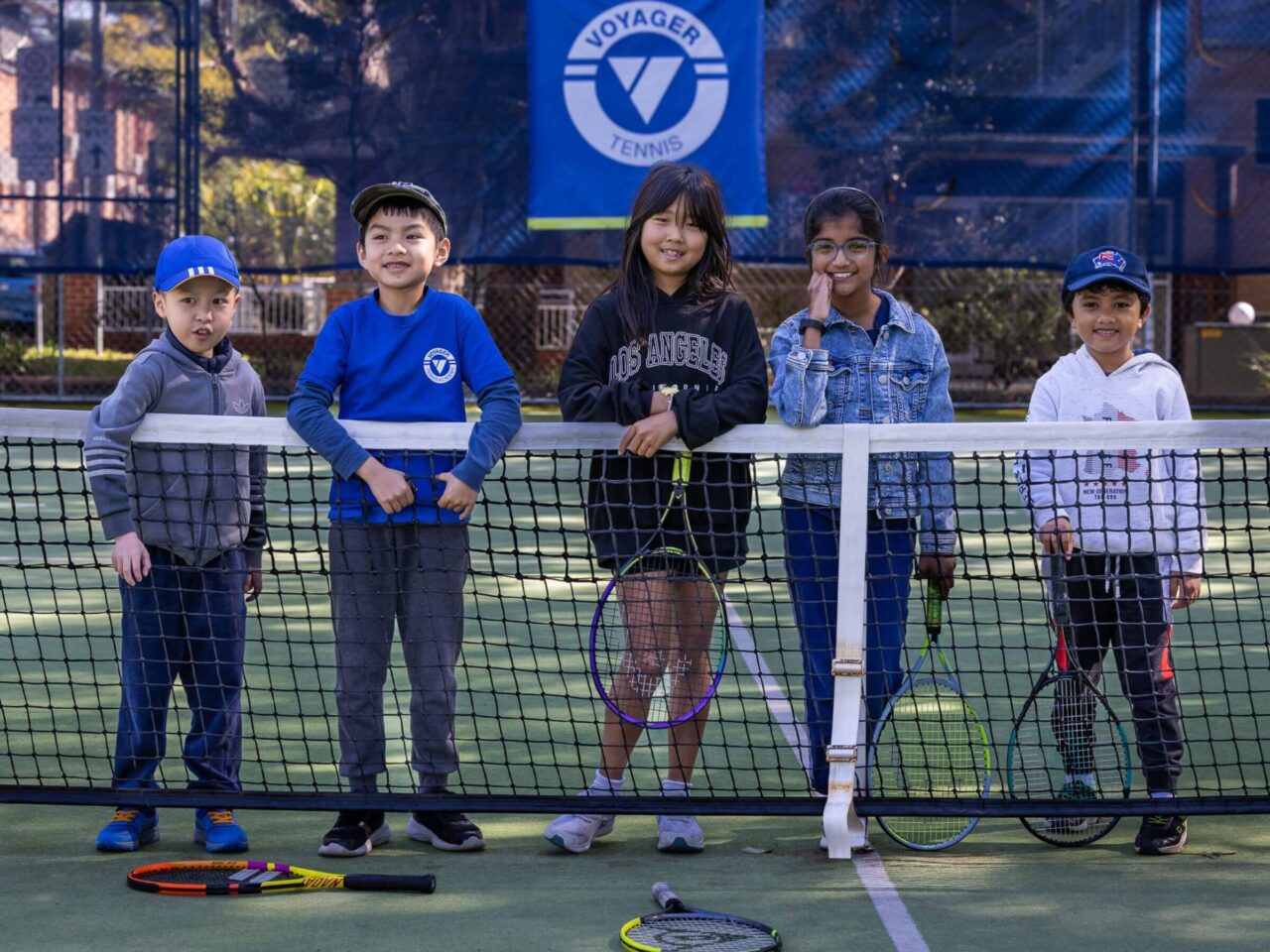
A welcoming coaching environment gives children opportunities to develop friendships, ask questions and learn without worrying about embarrassment.
The Australian Sports Commission recognises social connections and a sense of belonging as important elements of sporting enjoyment.
During junior tennis lessons, positive social experiences might include working with a partner, encouraging another player or taking part in group games.
Reserved children may take longer to develop these connections. They don’t need to be the most talkative person on court to enjoy themselves.
If you’re unsure how your child is settling in, ask their tennis coach about their participation, interactions with other players and behaviour during coaching activities.
6. Do They Notice and Celebrate Their Own Tennis Progress?
Children who recognise their own tennis improvement may experience a sense of achievement that encourages them to continue learning.
Progress can take many forms:
- Completing a five-shot rally for the first time.
- Successfully serving the ball over the net.
- Learning to control a forehand or backhand.
- Becoming more comfortable during practice matches.
Age-appropriate equipment can make these achievements more accessible.
Tennis Australia’s Hot Shots Tennis program uses four developmental stages, with equipment and activities adapted to children’s abilities. These include softer tennis balls, suitable racquet sizes and modified courts.
The approach allows young players to experience meaningful challenges without immediately facing the demands of full-court tennis.
When your child celebrates an achievement, allow them to enjoy it before introducing their next goal.
7. Do They Choose to Keep Playing Tennis?
A child’s willingness to continue tennis lessons without constant encouragement is one of the more meaningful signs of genuine interest.
They might ask to enrol for another school term, express interest in a tennis holiday camp or suggest playing with friends over the weekend.
However, not every child who enjoys tennis wants to compete or pursue advanced coaching.
Some children enjoy recreational tennis because it gives them time with friends, opportunities to stay active and a break from their school routine.
Both recreational and competitive participation are worthwhile. The important thing is that children have opportunities to influence how they continue playing.
What Are the Signs Your Child May Not Be Enjoying Tennis Lessons?
Persistent reluctance to attend tennis lessons, anxiety about making mistakes and ongoing disengagement are signs that parents should explore their child’s experience more closely.
Look for repeated behaviours such as:
- Frequently asking to skip tennis lessons.
- Becoming unusually worried before coaching sessions.
- Expressing boredom with the activities.
- Feeling uncomfortable around their coach or other players.
- Becoming distressed by mistakes or pressure to perform.
- Showing a sustained loss of interest in tennis.
These behaviours don’t necessarily mean your child dislikes the sport.
Your child might find their current coaching group too challenging, need more time to develop confidence or prefer a different lesson format.
Start by listening to their concerns. Discuss possible adjustments with their tennis coach before deciding whether to continue, change programs or take a break.
If your child describes bullying, inappropriate behaviour or feeling unsafe, take their concerns seriously and address them promptly.
How Should You Talk to Your Child About Their Tennis Lessons?
Open-ended questions help parents understand their child’s tennis experience without making every conversation about performance.
Try asking questions that encourage your child to reflect on what they enjoyed, what they found difficult and how they felt during coaching.
| Instead of asking | Try asking |
| Did you win today? | What was the most enjoyable part of today’s lesson? |
| Were you the best player? | What are you proud of today? |
| Why did you miss that shot? | Was there anything you found challenging? |
| Did you play better than last week? | What new skill did you practise today? |
| Are you going to practise more? | Is there anything you’d like to try again? |
Listen to their answers without immediately correcting them or offering technical advice.
These conversations can help children feel comfortable sharing both positive and negative experiences.
How Can Parents Help Keep Tennis Lessons Enjoyable?
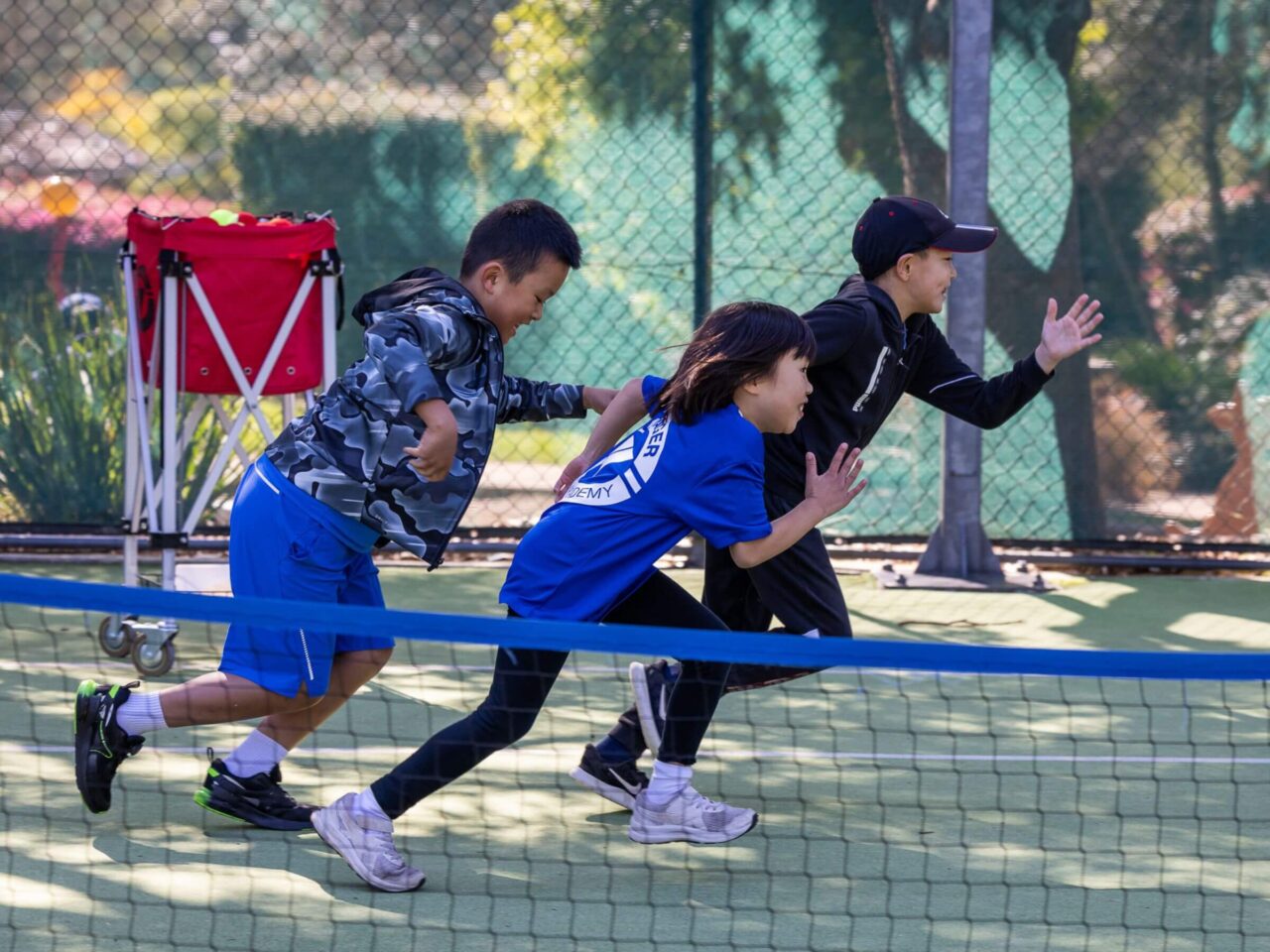
Parents can help children enjoy tennis by encouraging effort, supporting age-appropriate coaching and avoiding unnecessary comparisons with other players.
The Australian Sports Commission’s guidance for parents recommends aligning expectations with children’s developmental needs and personal reasons for participating in sport.
In practice, there are several ways to support your child:
Recognise personal progress. Celebrate improvements based on your child’s previous abilities rather than another player’s performance.
Make time for unstructured play. Allow your child to enjoy tennis outside formal coaching without turning every activity into a training exercise.
Choose an appropriate coaching program. Activities should provide enough challenge to maintain interest without leaving children repeatedly frustrated.
Communicate with their tennis coach. Discuss changes in your child’s enthusiasm, participation or confidence.
Respect their interests. Allow your child to enjoy recreational tennis without expecting them to pursue competitive pathways.
A positive sporting experience gives children room to learn, make mistakes and develop their own reasons for continuing.
Give Your Child the Opportunity to Discover Tennis at Voyager Tennis
Enjoyment is an important part of successful junior tennis development. Looking forward to lessons, celebrating personal achievements, developing friendships and choosing to keep playing are all valuable signs of a positive experience.
At Voyager Tennis, children have opportunities to discover tennis, develop fundamental skills and progress through junior coaching programs suited to different stages of development.
Explore our tennis coaching programs to find a suitable starting point for your child.
If your child hasn’t played tennis before, a free trial is an opportunity to experience the coaching environment before enrolling in regular lessons.
Give your child the chance to discover what they enjoy about the game.
Experience junior tennis coaching before committing to regular lessons.
Share This
Related Posts