
Try Pickleball Before Joining a Social Matchplay Group

You’ve heard about pickleball, seen people playing it and perhaps even thought about joining a local social game. But there’s one thing holding you back: you’ve never actually played.
Will you know where to stand? What happens if you forget the score? And will everyone else be much better than you?
These are reasonable questions when you’re considering a new sport.
The good news is that you don’t need to become an experienced player before enjoying pickleball with others. A beginner session can introduce you to the game, help you understand the rules and give you a chance to practise before joining regular social pickleball matchplay.
If you’re curious about pickleball but aren’t quite ready to jump into a group game, trying the sport first can make the transition much easier.
What Is Social Pickleball Matchplay?
Social pickleball matchplay involves playing games with other people in a relaxed, organised setting.
Unlike formal tournaments, where results and competitive rankings may be the main focus, social matchplay generally places greater emphasis on participation, enjoyment and opportunities to play with different people.
Depending on the venue, sessions may involve rotating partners, playing short games or grouping players according to their experience.
Some social sessions welcome beginners, while others expect participants to have a basic understanding of the rules and scoring.
That’s why it’s worth checking the session requirements before booking.
For someone completely new to pickleball, an introductory lesson can provide a useful foundation before stepping into regular matchplay.
Why Try Pickleball Before Joining a Social Group?
It’s tempting to sign up for a social game straight away, especially when friends are already playing.
And if the group specifically welcomes first-time players, that may be perfectly suitable.
However, trying pickleball beforehand can help you feel more comfortable when the game begins.
Learn the Basic Rules Without Match Pressure
Pickleball has a few rules that can initially seem unfamiliar.
The two-bounce rule, non-volley zone and doubles scoring system are common examples.
During a beginner session, you can take time to understand these rules, ask questions and practise applying them.
That way, when you join a social match, you can spend more time enjoying the rallies rather than worrying about what happens next.
Become Familiar with the Paddle and Ball
Pickleball uses a solid paddle and a lightweight perforated ball.
If you’re accustomed to tennis or badminton, the equipment may feel different at first.
A trial session gives you an opportunity to practise making contact with the ball, controlling its direction and developing a comfortable swing.
You don’t need perfect technique. Even a little experience can help you feel more confident when playing with others.
Understand How Doubles Works
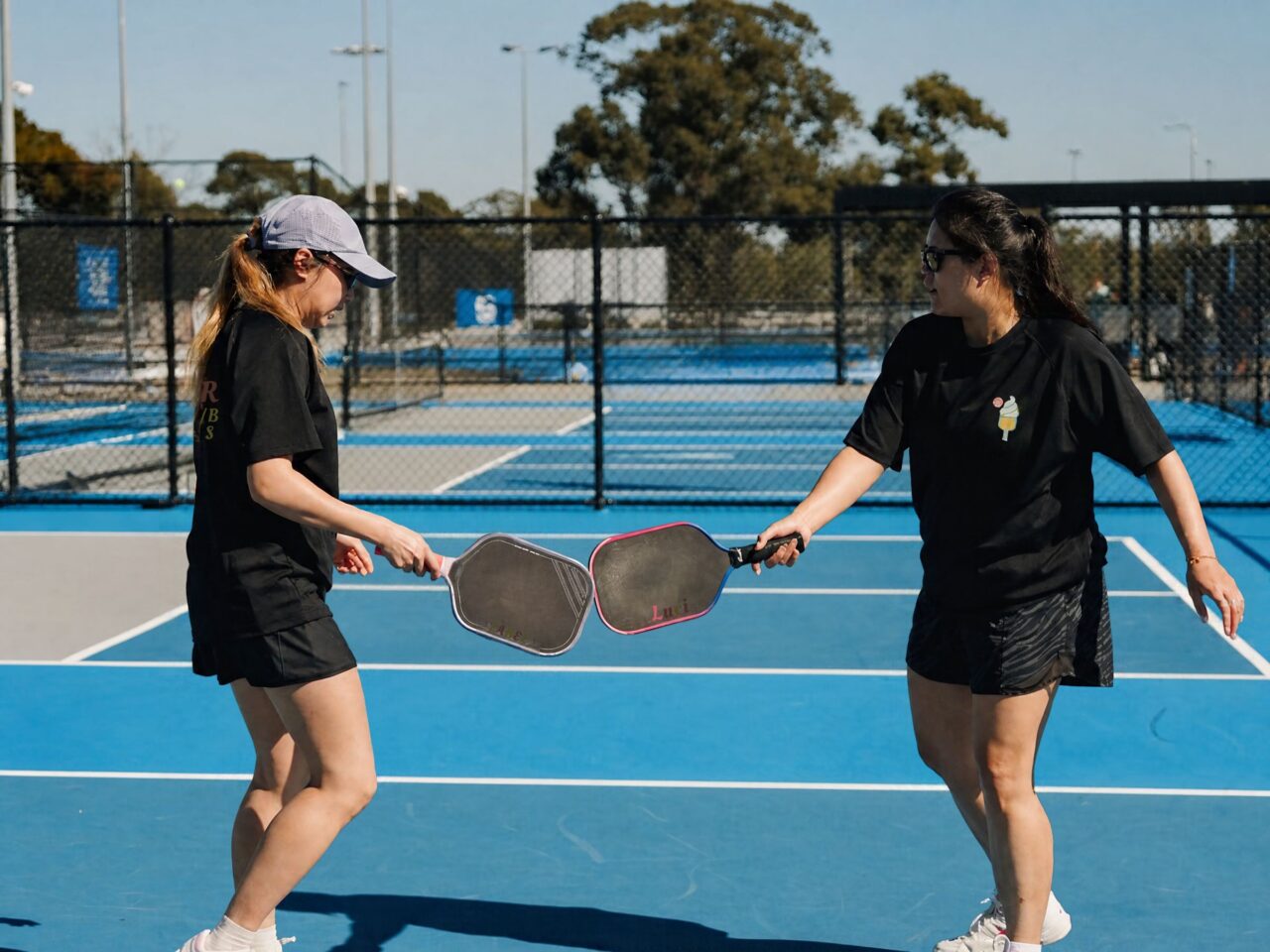
Many social pickleball sessions involve doubles, with two players on each side of the court.
That means learning how to share court coverage, communicate with a partner and move into useful positions.
A beginner session can introduce these concepts before you need to apply them during a faster-paced game.
Discover Whether You Enjoy the Sport
Not every activity suits everyone, and that’s fine.
Trying pickleball before committing to regular sessions allows you to experience the game for yourself.
You can decide whether you enjoy the pace, movement, social interaction and style of play.
It’s a simple way to make a more informed decision about joining a group.
What Happens During a Beginner Pickleball Trial?
An introductory pickleball session generally focuses on helping new players understand the fundamentals.
The exact format depends on the coach, venue and participants’ experience.
You may begin by learning how to hold the paddle and make controlled contact with the ball.
From there, the session might introduce serving, returning, basic court positioning and short rallies.
A coach may also explain the rules through simple exercises or modified games.
You won’t necessarily play a complete match during your first session, although some beginners may be ready for a friendly game with guidance.
The purpose is to make the sport approachable and give you a starting point for further practice.
If you’re interested in trying pickleball at Voyager Tennis, you can explore introductory opportunities through the free trial booking page.
Five Skills That Help Before Your First Social Pickleball Game
You don’t need to master advanced shots or complicated tactics to participate in beginner-friendly matchplay.
However, a few fundamental skills can make your first experience more enjoyable.
1. Serving Consistently
Every rally starts with a serve.
Focus on getting the ball into the correct diagonal service court rather than trying to hit it with maximum power.
A reliable serve helps keep the game moving and gives you more opportunities to practise.
2. Understanding the Two-Bounce Rule
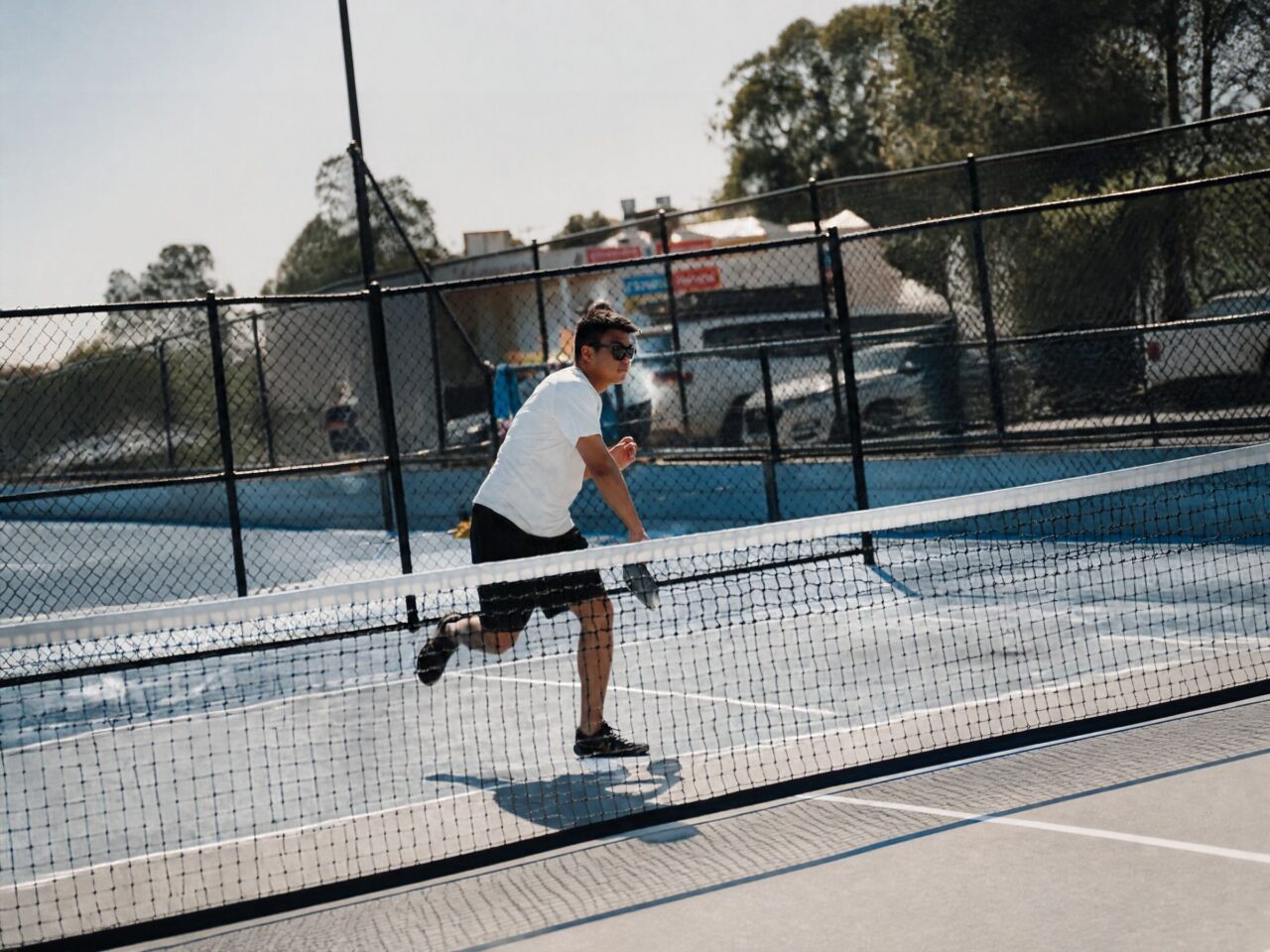
After the serve, the receiving team must let the ball bounce before returning it.
The serving team must then let that return bounce before hitting their next shot.
After these two required bounces, players can generally volley or play the ball after a bounce, subject to the non-volley zone rules.
Understanding this rule helps avoid common beginner faults.
3. Keeping a Short Rally Going
You don’t need to hit powerful winners.
Being able to return a few controlled shots can make social games more enjoyable for everyone.
Practise hitting the ball over the net with enough control to give your opponent a playable return.
4. Learning Basic Doubles Positioning
Doubles involves moving with your partner and understanding which areas of the court you’re responsible for.
You don’t need advanced tactics, but learning where to stand when serving, receiving and approaching the net can help you feel more organised.
5. Following the Score
Traditional doubles pickleball scoring uses three numbers: the serving team’s score, the receiving team’s score and the server number.
This can take time to remember.
During your first few games, it’s perfectly reasonable to ask another player to help you keep track.
How Do You Know You’re Ready for Social Pickleball Matchplay?
There’s no official test you need to pass before joining a recreational pickleball group.
However, you may feel ready when you can:
- Serve the ball into the correct court reasonably consistently.
- Understand the basic rules, including the two-bounce rule.
- Participate in short rallies.
- Recognise basic court positions during doubles.
- Follow the score with occasional assistance.
You don’t need to perform every skill perfectly.
Social matchplay can itself be an opportunity to improve, particularly when sessions are organised for beginners or players of similar ability.
If you’re unsure, ask the organiser what experience level is expected.
A beginner-friendly group should provide a more suitable starting point than an advanced session where players expect fast, competitive rallies.
What If You Don’t Know Anyone Who Plays Pickleball?
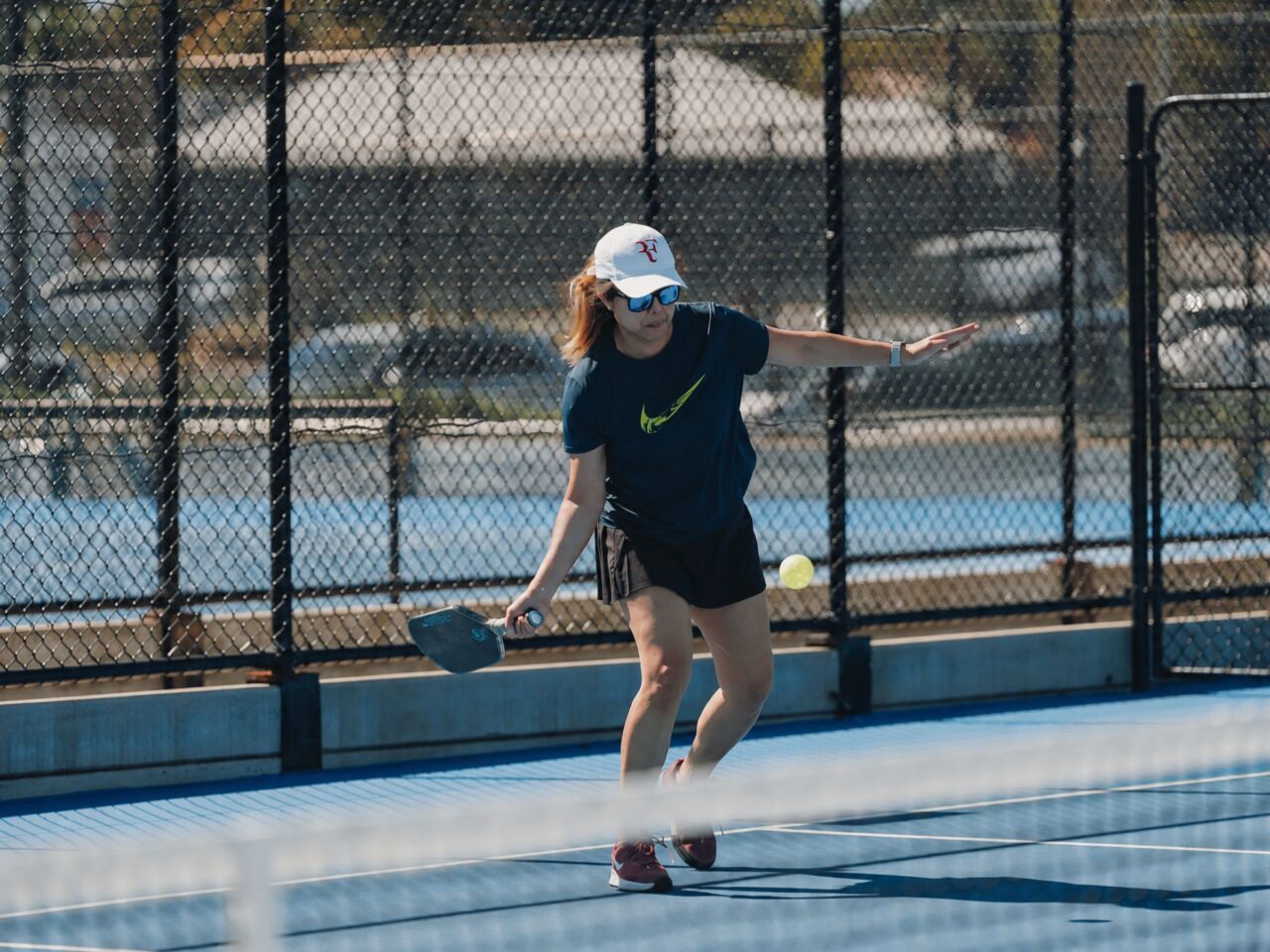
One of the appealing aspects of social pickleball is the opportunity to meet other players.
You don’t necessarily need to bring a doubles partner or organise a group of four.
Some venues run organised sessions where individuals can join other participants, although booking requirements and formats vary.
These sessions can help you become familiar with different playing styles and gradually build a network of people to play with.
If you’re attending alone for the first time, arrive a little early and introduce yourself to the organiser.
Let them know you’re new to pickleball and ask which games or groups are most suitable.
Most importantly, don’t feel that you need to play at the same level as everyone else immediately.
Every experienced player was a beginner once.
Should You Choose Coaching or Social Matchplay?
Coaching and social matchplay serve different purposes, and they can work well together.
Coaching provides structured opportunities to develop technique, understand the rules and receive feedback.
Social matchplay gives you the chance to apply those skills during games with other players.
For example, a coach might help you improve your serve or explain how to position yourself during doubles.
A social game then allows you to practise those skills in situations where the ball doesn’t always arrive exactly where you expect it.
If you’re completely new, starting with an introductory session may make sense.
As your confidence grows, you can add social games to your routine while continuing coaching whenever you want to develop specific skills.
Explore Voyager Tennis pickleball competitions and playing opportunities to learn more about ways to get involved.
Tips for Enjoying Your First Social Pickleball Session
Your first social game doesn’t need to be perfect.
A few simple habits can help you settle in.
Arrive early. Give yourself time to find the court, meet the organiser and understand how the session works.
Be open about your experience. Let other players know you’re new. This makes it easier for them to explain rules or scoring when needed.
Focus on keeping the ball in play. Controlled shots are often more useful than attempting difficult winners.
Communicate with your partner. Simple calls such as ‘mine’ or ‘yours’ can prevent confusion during doubles.
Enjoy the learning process. Missed shots and scoring mistakes are normal when you’re starting out.
Remember that social pickleball is about more than winning points.
It’s also an opportunity to become more comfortable on court, improve through experience and enjoy playing with others.
Try Pickleball at Voyager Tennis Before Joining Social Matchplay
Joining a social pickleball group can be an enjoyable way to stay active, practise your skills and meet people who share an interest in the sport.
But if you’ve never played before, you don’t need to rush straight into a match.
A beginner trial can help you understand the rules, experience the equipment and build enough confidence to take the next step.
At Voyager Tennis, players can explore pickleball coaching and playing opportunities at participating locations.
Whether your goal is to join regular social games, improve your doubles skills or simply discover a new activity, getting started with the fundamentals can make the experience more enjoyable.
Curious about pickleball but not ready for social matchplay yet?
Your next social pickleball game could begin with one simple trial.
Share This
Related Posts