
Why Tennis Teaches Discipline Better Than Most Sports
Key Takeaways
- Tennis teaches discipline by encouraging responsibility, consistency and self-control.
- Every practice session helps children develop positive habits that extend beyond the court.
- Players learn to manage their emotions, solve problems and stay focused under pressure.
- Tennis rewards preparation, effort and persistence rather than relying solely on natural talent.
- Junior coaching provides a structured environment where children develop discipline while enjoying the game.
- The life skills learned through tennis often benefit children at school, at home and in everyday life.
Parents often choose sport to help their children stay active, make friends and build confidence. While these are all valuable benefits, many parents are equally interested in helping their children develop discipline which is an important life skill that supports success both on and off the court.
Although every sport can teach valuable lessons, tennis offers a unique environment where children learn personal responsibility, resilience and self-discipline from an early age. Every training session, practice drill and match encourages players to take ownership of their improvement while developing habits that continue long after they leave the court.
Rather than relying on teammates to carry the game, tennis teaches children that preparation, effort and consistency are key to achieving their goals.
Tennis Encourages Personal Responsibility
One of the biggest reasons tennis develops discipline is because every player is responsible for their own performance.
Once a point begins, children make their own decisions. They choose where to move, which shot to play and how to respond after making mistakes.
This level of responsibility helps children understand that improvement comes from their own effort rather than depending on others.
Over time, they begin taking ownership of their progress by listening to feedback, practising regularly and applying what they learn during coaching sessions.
Children enrolled in Voyager Tennis’ Junior Coaching Program are encouraged to develop these habits in a supportive environment where learning is both structured and enjoyable.
Consistency Creates Strong Habits
Discipline isn’t developed in a single lesson.
It grows through consistent practice.
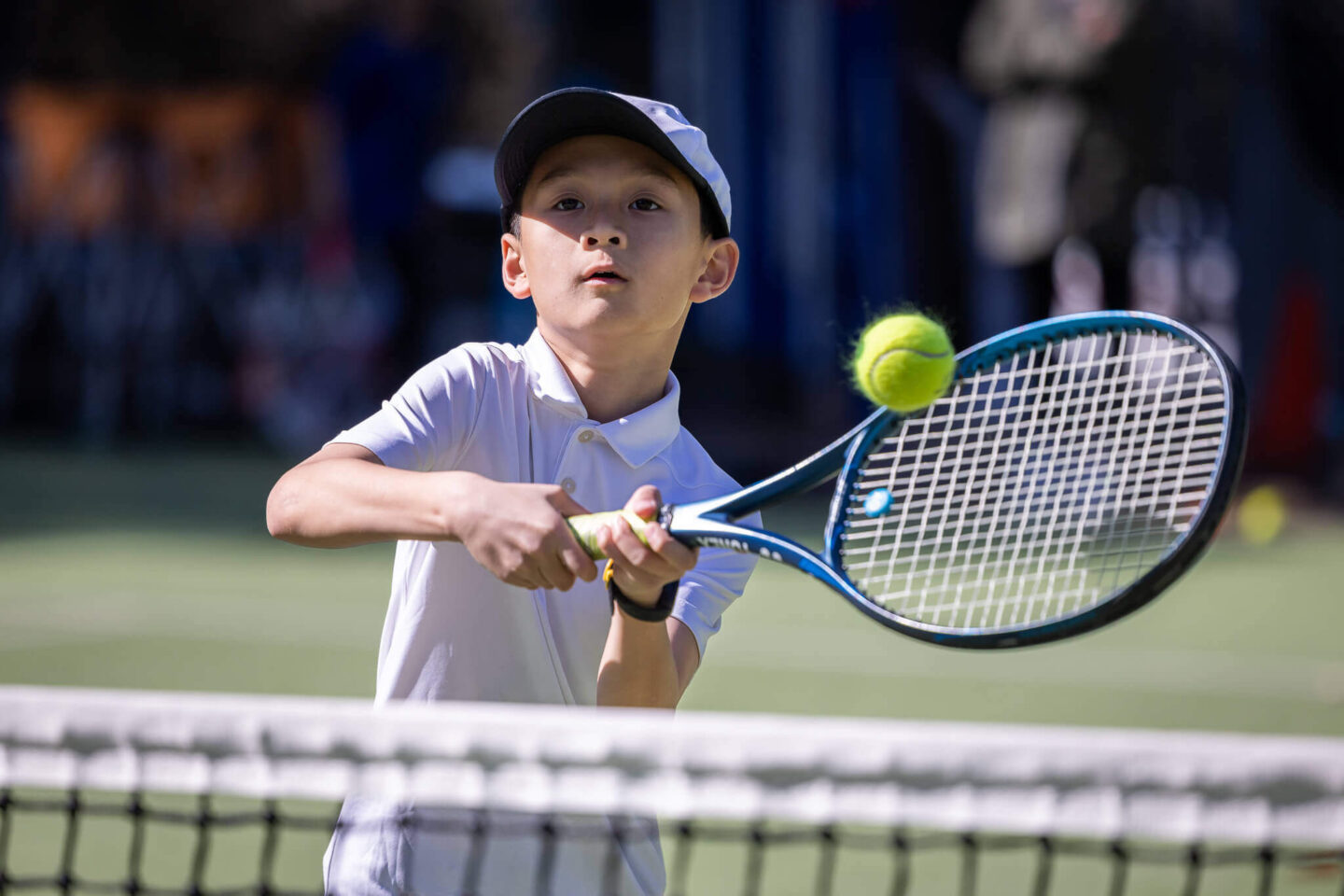
Children who attend regular coaching begin to understand the importance of showing up prepared, listening carefully and putting in effort even when learning new skills feels challenging.
Over time, these routines become positive habits that often carry into other areas of life, including schoolwork, homework and daily responsibilities.
Tennis teaches children that success is built through small improvements made consistently over time.
Learning to Stay Focused
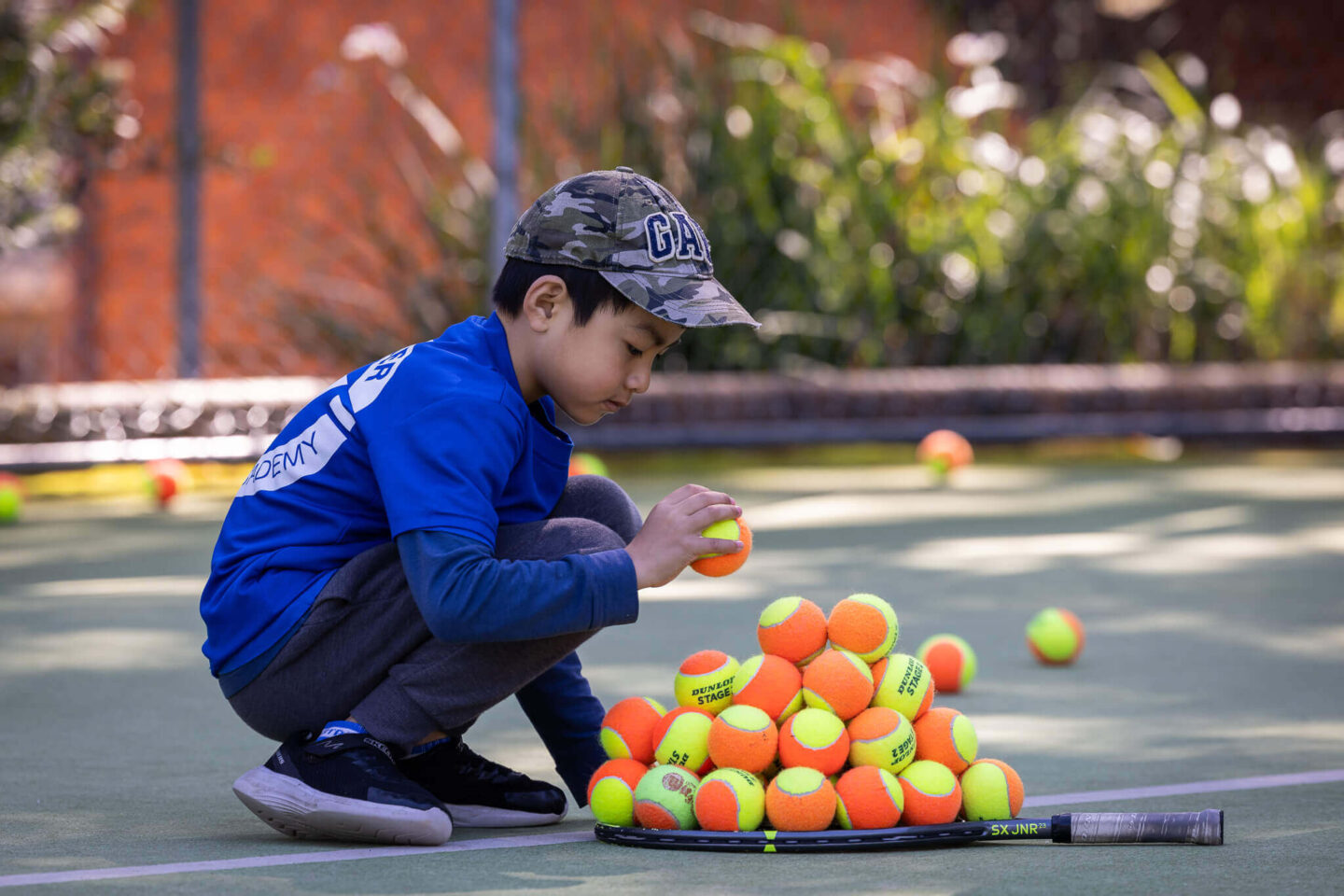
Every tennis point requires concentration.
Players must pay attention to the ball, anticipate their opponent’s next shot and make quick decisions under pressure.
Unlike some sports where children may spend time waiting for the action, tennis keeps players mentally engaged throughout training sessions and matches.
This constant focus helps children improve their attention span while learning to block out distractions and stay committed to each task.
These concentration skills often translate into improved focus in the classroom and during other activities.
Discipline Means Learning From Mistakes
Mistakes are part of every tennis match.
Children quickly learn that even professional players miss shots and lose points.
Instead of becoming discouraged, they are encouraged to reset, analyse what happened and prepare for the next point.
This ability to recover from setbacks is an important part of discipline.
Rather than giving up when something becomes difficult, children develop persistence and resilience that helps them continue improving over time.
Tennis Rewards Effort, Not Just Talent
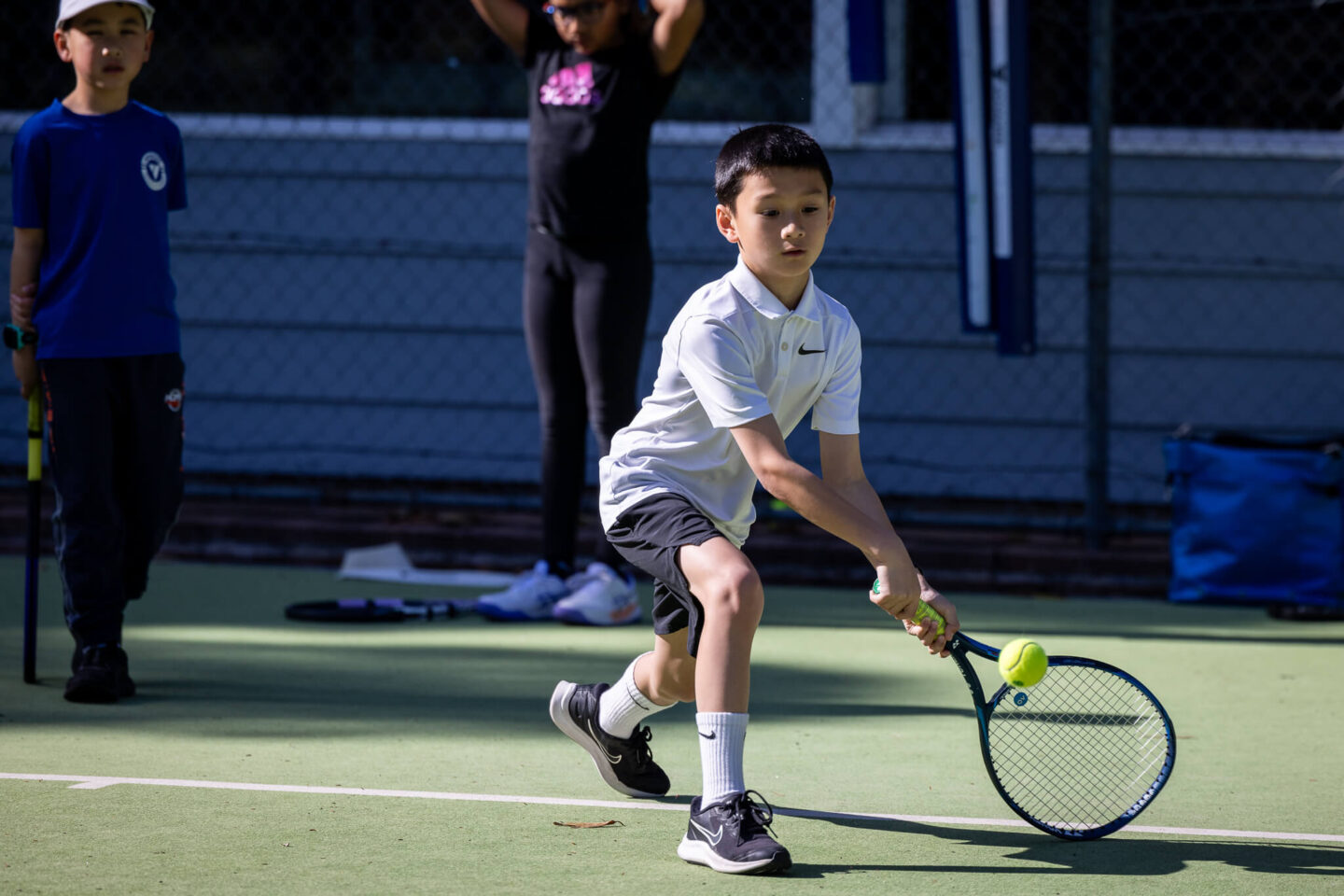
Some children naturally learn sporting skills more quickly than others.
However, tennis consistently rewards players who practise regularly and remain committed to improving.
Children begin to understand that effort often produces better long-term results than relying on natural ability alone.
Whether they’re improving their serve, rallying for longer or becoming more confident during matches, every achievement reinforces the value of hard work.
This mindset helps children appreciate that success usually comes through dedication rather than shortcuts.
Respect Is Part of the Game
Discipline also involves learning how to respect others.
Tennis teaches children to:
- Listen to coaches
- Respect opponents
- Follow the rules
- Accept decisions fairly
- Demonstrate good sportsmanship
Players also learn to manage their emotions during matches, whether they’re winning or losing.
These experiences help children develop maturity, self-control and respect, qualities that benefit them throughout life.
Setting Goals and Achieving Them
Goal setting is another important aspect of discipline.
Children are encouraged to focus on achievable milestones rather than immediate perfection.
Goals may include:
- Rallying for ten shots
- Improving footwork
- Learning a new serve
- Competing in a first match
- Practising consistently each week
Working towards these goals teaches children patience while showing them that meaningful progress takes time.
Each achievement provides motivation to continue learning and improving.
Parents Play an Important Role
Parents can reinforce the discipline children learn through tennis by encouraging consistency rather than focusing solely on results.
Celebrating effort, commitment and improvement helps children develop a healthy attitude towards learning.
Supporting regular attendance, encouraging practice at home and recognising small achievements all contribute to long-term development.
When parents and coaches work together, children often gain the confidence and discipline needed to succeed both on and off the court.
Conclusion
Discipline isn’t about being perfect, it’s about developing the habits, mindset and resilience needed to keep improving.
Tennis teaches children to take responsibility, stay focused, work consistently and learn from challenges. These lessons extend well beyond sport, helping young players become more confident, organised and resilient in everyday life.
While many sports contribute to a child’s development, tennis provides unique opportunities for children to build discipline through individual responsibility, structured learning and continuous personal growth.
Try our Free Trial
If you’d like your child to experience the lifelong benefits tennis can offer, the best place to start is on the court.
Book a free tennis trial with Voyager Tennis and let your child discover a fun, supportive coaching environment where they can develop discipline, confidence and a lifelong love of the game. With experienced coaches and age-appropriate programs, every lesson is designed to help young players grow both as athletes and as individuals.
Share This
Related Posts